


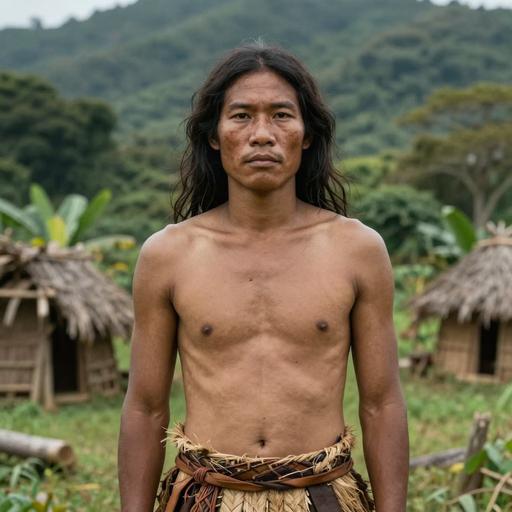
| Individual | Culture/Period | Date | Location | Action |
|---|---|---|---|---|
| Austronesian individual, Taiwan | Late Paleolithic Taiwan | 6378 BCE | Liangdao, Taiwan | View |
| Austronesian individual, Taiwan | Late Paleolithic Taiwan | 5640 BCE | Liangdao, Taiwan | View |
| Late Paleolithic individual, Taiwan | 6378 BCE | Liangdao, Taiwan | View | |
| Late Paleolithic individual, Taiwan | 5640 BCE | Liangdao, Taiwan | View |
Page 1
| Individual | Culture/Period | Date | Location | Action |
|---|---|---|---|---|
| Late Paleolithic individual, Taiwan | 6378 BCE | Liangdao, Taiwan | View | |
| Late Paleolithic individual, Taiwan | 5640 BCE | Liangdao, Taiwan | View | |
| Late Paleolithic individual, Italy | 15026 BCE | Verona. Stallavena di Grezzana. Riparo Tagliente, Italy | View | |
| Late Paleolithic individual, China | 12371 BCE | Amur River Basin, China | View | |
| Late Paleolithic individual, China | 10774 BCE | Amur River Basin, China | View |
Page 1