


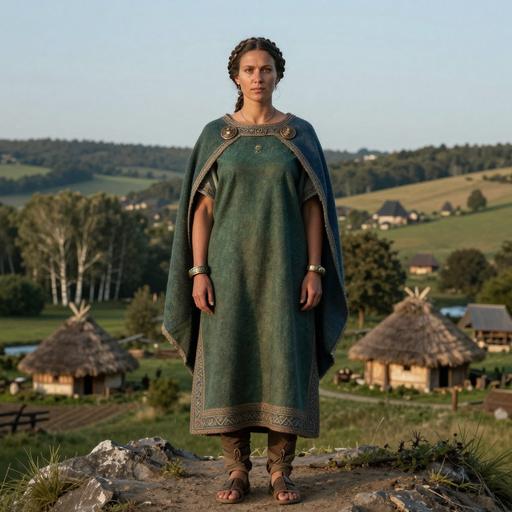
ATT27
Iron Age Culture of Oise
350 BCE
Le Buissonnet (Hauts-de-France Region, Oise Department, Compiègne arrondissement, Attichy-Bitry), France
ATT3
Iron Age Culture of Oise
350 BCE
Le Buissonnet (Hauts-de-France Region, Oise Department, Compiègne arrondissement, Attichy-Bitry), France
ATT52-2
Iron Age Culture of Oise
350 BCE
Le Buissonnet (Hauts-de-France Region, Oise Department, Compiègne arrondissement, Attichy-Bitry), France
BES1096B
Iron Age Culture of Aude
475 BCE
La Monédière (Occitanie Region, Hérault Department, Béziers arrondissement, Bessan), France
BES1154
Iron Age Culture of Aude
510 BCE
La Monédière (Occitanie Region, Hérault Department, Béziers arrondissement, Bessan), France
BES1249
Iron Age Culture of Aude
150 BCE
La Monédière (Occitanie Region, Hérault Department, Béziers arrondissement, Bessan), France
BFT228
Iron Age Culture of Aisne
350 BCE
Bucy-le-Long "la Fosse Tounise" (Hauts-de-France Region, Aisne Department, Soissons arrondissement), France
BLH447
Iron Age Culture of Aisne
350 BCE
Bucy-le-Long "la Heronnière" (Hauts-de-France Region, Aisne Department, Soissons arrondissement), France
BPV1445
Bronze Age Culture of Aube
2300 BCE
Barbuise La Saulsotte (Grand Est Region, Aube Department, Nogent-sur-Seine arrondissement), France
BPV1455
Bronze Age Culture of Aube
2300 BCE
Barbuise La Saulsotte (Grand Est Region, Aube Department, Nogent-sur-Seine arrondissement), France
BUCH48-1
Iron Age Culture of Aube
475 BCE
Buchères "PLA D37" (Grand Est Region, Aube Department, Troyes arrondissement), France
BUCH48-2
Iron Age Culture of Aube
475 BCE
Buchères "PLA D37" (Grand Est Region, Aube Department, Troyes arrondissement), France
| Sample ID | Culture/Period | Date | Location | Action |
|---|---|---|---|---|
| ATT27 | Iron Age Culture of Oise | 350 BCE | Le Buissonnet (Hauts-de-France Region, Oise Department, Compiègne arrondissement, Attichy-Bitry), France | View |
| ATT3 | Iron Age Culture of Oise | 350 BCE | Le Buissonnet (Hauts-de-France Region, Oise Department, Compiègne arrondissement, Attichy-Bitry), France | View |
| ATT52-2 | Iron Age Culture of Oise | 350 BCE | Le Buissonnet (Hauts-de-France Region, Oise Department, Compiègne arrondissement, Attichy-Bitry), France | View |
| BES1096B | Iron Age Culture of Aude | 475 BCE | La Monédière (Occitanie Region, Hérault Department, Béziers arrondissement, Bessan), France | View |
| BES1154 | Iron Age Culture of Aude | 510 BCE | La Monédière (Occitanie Region, Hérault Department, Béziers arrondissement, Bessan), France | View |
| BES1249 | Iron Age Culture of Aude | 150 BCE | La Monédière (Occitanie Region, Hérault Department, Béziers arrondissement, Bessan), France | View |
| BFT228 | Iron Age Culture of Aisne | 350 BCE | Bucy-le-Long "la Fosse Tounise" (Hauts-de-France Region, Aisne Department, Soissons arrondissement), France | View |
| BLH447 | Iron Age Culture of Aisne | 350 BCE | Bucy-le-Long "la Heronnière" (Hauts-de-France Region, Aisne Department, Soissons arrondissement), France | View |
| BPV1445 | Bronze Age Culture of Aube | 2300 BCE | Barbuise La Saulsotte (Grand Est Region, Aube Department, Nogent-sur-Seine arrondissement), France | View |
| BPV1455 | Bronze Age Culture of Aube | 2300 BCE | Barbuise La Saulsotte (Grand Est Region, Aube Department, Nogent-sur-Seine arrondissement), France | View |
| BUCH48-1 | Iron Age Culture of Aube | 475 BCE | Buchères "PLA D37" (Grand Est Region, Aube Department, Troyes arrondissement), France | View |
| BUCH48-2 | Iron Age Culture of Aube | 475 BCE | Buchères "PLA D37" (Grand Est Region, Aube Department, Troyes arrondissement), France | View |
| BUCH82 | Iron Age Culture of Aube | 750 BCE | Buchères "PLA D37" (Grand Est Region, Aube Department, Troyes arrondissement), France | View |
| CHF106 | Iron Age Marne Culture | 475 BCE | Champfleury "RN51" (Grand Est Region, Aube Department, Nogent-sur-Seine arrondissement, Marne), France | View |
| CLR23 | Iron Age Culture of Aude | 400 BCE | Le Cailar "Place de la Saint-Jean" (Occitanie Region, Gard Department, Nîmes arrondissement), France | View |
| CLR24 | Iron Age Culture of Aude | 400 BCE | Le Cailar "Place de la Saint-Jean" (Occitanie Region, Gard Department, Nîmes arrondissement), France | View |
| CLR31 | Iron Age Culture of Aude | 400 BCE | Le Cailar "Place de la Saint-Jean" (Occitanie Region, Gard Department, Nîmes arrondissement), France | View |
| CLR35 | Iron Age Culture of Aude | 400 BCE | Le Cailar "Place de la Saint-Jean" (Occitanie Region, Gard Department, Nîmes arrondissement), France | View |
| CLR44 | Iron Age Culture of Aude | 400 BCE | Le Cailar "Place de la Saint-Jean" (Occitanie Region, Gard Department, Nîmes arrondissement), France | View |
| COL239 | Iron Age Haut-Rhin Culture | 740 BCE | Jardin des Aubépines (Grand Est Region, Haut-Rhin Department, Colmar arrondissement), France | View |
ATT27
Iron Age Culture of Oise
350 BCE
Le Buissonnet (Hauts-de-France Region, Oise Department, Compiègne arrondissement, Attichy-Bitry), France
ATT3
Iron Age Culture of Oise
350 BCE
Le Buissonnet (Hauts-de-France Region, Oise Department, Compiègne arrondissement, Attichy-Bitry), France
ATT52-2
Iron Age Culture of Oise
350 BCE
Le Buissonnet (Hauts-de-France Region, Oise Department, Compiègne arrondissement, Attichy-Bitry), France
| Sample ID | Culture/Period | Date | Location | Action |
|---|---|---|---|---|
| ATT27 | Iron Age Culture of Oise | 350 BCE | Le Buissonnet (Hauts-de-France Region, Oise Department, Compiègne arrondissement, Attichy-Bitry), France | View |
| ATT3 | Iron Age Culture of Oise | 350 BCE | Le Buissonnet (Hauts-de-France Region, Oise Department, Compiègne arrondissement, Attichy-Bitry), France | View |
| ATT52-2 | Iron Age Culture of Oise | 350 BCE | Le Buissonnet (Hauts-de-France Region, Oise Department, Compiègne arrondissement, Attichy-Bitry), France | View |