


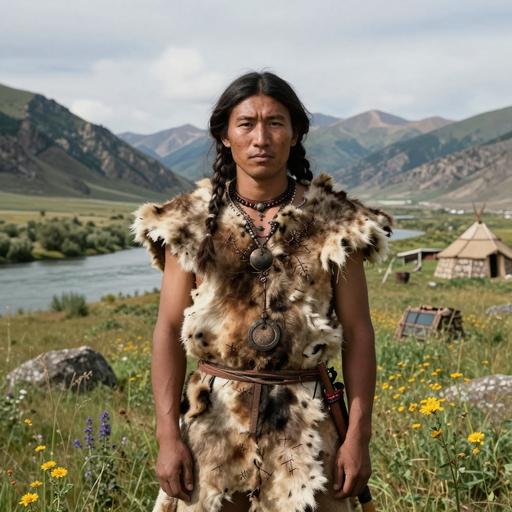
I3388
Afanasievo Culture
2800 BCE
Altai Mountains. Yenisey River. left bank of Karasuk tributary. Karasuk III, Russia
I3949
Afanasievo Culture
2844 BCE
Altai Mountains. Yenisey River. left bank of Karasuk tributary. Karasuk III, Russia
I3950
Afanasievo Culture
2879 BCE
Altai Mountains. Yenisey River. left bank of Karasuk tributary. Karasuk III, Russia
I6714
Afanasievo Culture
2618 BCE
Altai Mountains. Yenisey River. left bank of Karasuk tributary. Karasuk III, Russia
I3388
2800 BCE
Altai Mountains. Yenisey River. left bank of Karasuk tributary. Karasuk III, Russia
I3949
2844 BCE
Altai Mountains. Yenisey River. left bank of Karasuk tributary. Karasuk III, Russia
I3950
2879 BCE
Altai Mountains. Yenisey River. left bank of Karasuk tributary. Karasuk III, Russia
I6714
2618 BCE
Altai Mountains. Yenisey River. left bank of Karasuk tributary. Karasuk III, Russia
| Sample ID | Culture/Period | Date | Location | Action |
|---|---|---|---|---|
| I3388 | Afanasievo Culture | 2800 BCE | Altai Mountains. Yenisey River. left bank of Karasuk tributary. Karasuk III, Russia | View |
| I3949 | Afanasievo Culture | 2844 BCE | Altai Mountains. Yenisey River. left bank of Karasuk tributary. Karasuk III, Russia | View |
| I3950 | Afanasievo Culture | 2879 BCE | Altai Mountains. Yenisey River. left bank of Karasuk tributary. Karasuk III, Russia | View |
| I6714 | Afanasievo Culture | 2618 BCE | Altai Mountains. Yenisey River. left bank of Karasuk tributary. Karasuk III, Russia | View |
| I3388 | 2800 BCE | Altai Mountains. Yenisey River. left bank of Karasuk tributary. Karasuk III, Russia | View | |
| I3949 | 2844 BCE | Altai Mountains. Yenisey River. left bank of Karasuk tributary. Karasuk III, Russia | View | |
| I3950 | 2879 BCE | Altai Mountains. Yenisey River. left bank of Karasuk tributary. Karasuk III, Russia | View | |
| I6714 | 2618 BCE | Altai Mountains. Yenisey River. left bank of Karasuk tributary. Karasuk III, Russia | View |
I6712
Afanasievo Culture
2857 BCE
Middle Yenisei region. Afanasieva Gora, Russia
I6711
Afanasievo Culture
2950 BCE
Middle Yenisei region. Afanasieva Gora, Russia
I6713
Afanasievo Culture
3000 BCE
Middle Yenisei region. Afanasieva Gora, Russia
I6715
Afanasievo Culture
3300 BCE
Altai Mountains. Yenisey River. left bank of Karasuk tributary. Karasuk III, Russia
I2069
Afanasievo Culture
3331 BCE
Altai Autonomous Republic. Ust-Kanski. Altai Mountains. Kaminnaya Cave, Russia
I2071
Afanasievo Culture
3088 BCE
Altai Mountains. Ust'-Kuyum, Russia
I3951
Afanasievo Culture
2881 BCE
Altai Mountains. Yenisey River. left bank of Karasuk tributary. Karasuk III, Russia
I3954
Afanasievo Culture
2874 BCE
Altai Mountains. Yenisey River. left bank of Karasuk tributary. Karasuk III, Russia
I1829
Afanasievo Culture
3011 BCE
Altai Mountains. Saldyar-1 cemetery, Russia
I3952
Afanasievo Culture
2868 BCE
Altai Mountains. Yenisey River. left bank of Karasuk tributary. Karasuk III, Russia
I5269
Afanasievo Culture
3016 BCE
Elo 1, Russia
I5270
Afanasievo Culture
3323 BCE
Elo 1, Russia
| Sample ID | Culture/Period | Date | Location | Action |
|---|---|---|---|---|
| I6712 | Afanasievo Culture | 2857 BCE | Middle Yenisei region. Afanasieva Gora, Russia | View |
| I6711 | Afanasievo Culture | 2950 BCE | Middle Yenisei region. Afanasieva Gora, Russia | View |
| I6713 | Afanasievo Culture | 3000 BCE | Middle Yenisei region. Afanasieva Gora, Russia | View |
| I6715 | Afanasievo Culture | 3300 BCE | Altai Mountains. Yenisey River. left bank of Karasuk tributary. Karasuk III, Russia | View |
| I2069 | Afanasievo Culture | 3331 BCE | Altai Autonomous Republic. Ust-Kanski. Altai Mountains. Kaminnaya Cave, Russia | View |
| I2071 | Afanasievo Culture | 3088 BCE | Altai Mountains. Ust'-Kuyum, Russia | View |
| I3951 | Afanasievo Culture | 2881 BCE | Altai Mountains. Yenisey River. left bank of Karasuk tributary. Karasuk III, Russia | View |
| I3954 | Afanasievo Culture | 2874 BCE | Altai Mountains. Yenisey River. left bank of Karasuk tributary. Karasuk III, Russia | View |
| I1829 | Afanasievo Culture | 3011 BCE | Altai Mountains. Saldyar-1 cemetery, Russia | View |
| I3952 | Afanasievo Culture | 2868 BCE | Altai Mountains. Yenisey River. left bank of Karasuk tributary. Karasuk III, Russia | View |
| I5269 | Afanasievo Culture | 3016 BCE | Elo 1, Russia | View |
| I5270 | Afanasievo Culture | 3323 BCE | Elo 1, Russia | View |
| I5271 | Afanasievo Culture | 3011 BCE | Elo 1, Russia | View |
| I5272 | Afanasievo Culture | 3006 BCE | Elo Bashi, Russia | View |
| I5273 | Afanasievo Culture | 3011 BCE | Lower Tyumechin 1, Russia | View |
| I5277 | Afanasievo Culture | 3092 BCE | Elo Bashi, Russia | View |
| I5278 | Afanasievo Culture | 3082 BCE | Lower Tyumechin 1, Russia | View |
| I5279 | Afanasievo Culture | 3011 BCE | Lower Tyumechin 1, Russia | View |
| I3387 | Afanasievo Culture | 2950 BCE | Middle Yenisei region. Afanasieva Gora, Russia | View |
| I10565 | Afanasievo Culture | 2889 BCE | Middle Yenisei region. Afanasieva Gora, Russia | View |