


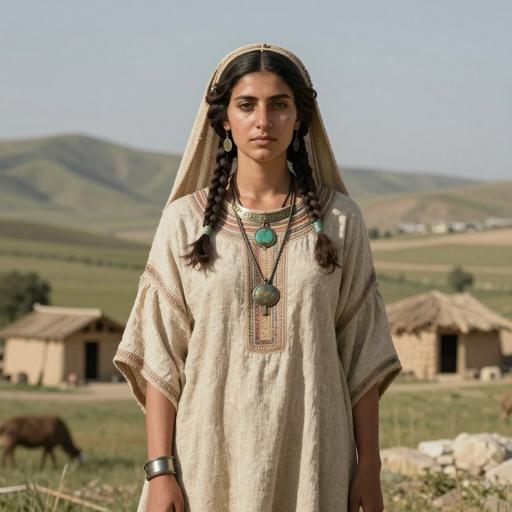
I17622
The Transition to Iron Age in Albania
1400 BCE
Southwest. Dukat, Albania
I13833
Albanian Early Modern
1450 CE
Barç (Southeast. Korça Basin), Albania
I3931
Neolithic Armenia
5985 BCE
Aknashen, Armenia
I3930
Neolithic Masis Blur, Armenia
5633 BCE
Masis Blur, Armenia
I19493
Early Iron Age Bulgaria
1100 BCE
Kapitan Andreevo (South), Bulgaria
I19479
Late Iron Age Bulgaria
300 BCE
Kazanlak. Yasenovo. Stara Zagora, Bulgaria
I13433
Mycenaean Greece
1350 BCE
Kastrouli (Desfina. Phokis. near Delphi), Greece
I13531
Mycenaean Greece
1350 BCE
Kastrouli (Desfina. Phokis. near Delphi), Greece
I13580
Mycenaean Greece
1371 BCE
Kastrouli (Desfina. Phokis. near Delphi), Greece
I6441
Pre-Pottery Neolithic Iraq
1500 BCE
Nemrik 9, Iraq
I6445
Pre-Pottery Neolithic Iraq
9500 BCE
Nemrik 9, Iraq
I1708
Pre-Pottery Neolithic C Jordan
6800 BCE
'Ain Ghazal, Jordan
| Sample ID | Culture/Period | Date | Location | Action |
|---|---|---|---|---|
| I17622 | The Transition to Iron Age in Albania | 1400 BCE | Southwest. Dukat, Albania | View |
| I13833 | Albanian Early Modern | 1450 CE | Barç (Southeast. Korça Basin), Albania | View |
| I3931 | Neolithic Armenia | 5985 BCE | Aknashen, Armenia | View |
| I3930 | Neolithic Masis Blur, Armenia | 5633 BCE | Masis Blur, Armenia | View |
| I19493 | Early Iron Age Bulgaria | 1100 BCE | Kapitan Andreevo (South), Bulgaria | View |
| I19479 | Late Iron Age Bulgaria | 300 BCE | Kazanlak. Yasenovo. Stara Zagora, Bulgaria | View |
| I13433 | Mycenaean Greece | 1350 BCE | Kastrouli (Desfina. Phokis. near Delphi), Greece | View |
| I13531 | Mycenaean Greece | 1350 BCE | Kastrouli (Desfina. Phokis. near Delphi), Greece | View |
| I13580 | Mycenaean Greece | 1371 BCE | Kastrouli (Desfina. Phokis. near Delphi), Greece | View |
| I6441 | Pre-Pottery Neolithic Iraq | 1500 BCE | Nemrik 9, Iraq | View |
| I6445 | Pre-Pottery Neolithic Iraq | 9500 BCE | Nemrik 9, Iraq | View |
| I1708 | Pre-Pottery Neolithic C Jordan | 6800 BCE | 'Ain Ghazal, Jordan | View |
| I13778 | Middle to Late Bronze Age Montenegro | 1386 BCE | Velika Gruda, Montenegro | View |
| I14445 | Pre-Pottery Neolithic A Turkey | 9000 BCE | Boncuklu Tarla (Southeast. Mardin. Dargeçit. Ilısu), Turkey | View |
| I8435 | Pre-Pottery Neolithic A Turkey | 9000 BCE | Boncuklu Tarla (Southeast. Mardin. Dargeçit. Ilısu), Turkey | View |
| I14688 | The Transition to Iron Age in Albania | 600 BCE | Çinamak (Norteastern. Kukes District), Albania | View |
| I14690 | The Transition to Iron Age in Albania | 1700 BCE | Çinamak (Norteastern. Kukes District), Albania | View |
| I14692 | The Transition to Iron Age in Albania | 1500 BCE | Çinamak (Norteastern. Kukes District), Albania | View |
| I16251 | The Transition to Iron Age in Albania | 500 BCE | Çinamak (Norteastern. Kukes District), Albania | View |
| I16254 | The Transition to Iron Age in Albania | 600 BCE | Çinamak (Norteastern. Kukes District), Albania | View |
I2683
Early Bronze Age Turkey
2621 BCE
Mediterranean. Isparta. Harmanören-Göndürle Höyük, Turkey
I2495
Early Bronze Age Turkey
2560 BCE
Mediterranean. Isparta. Harmanören-Göndürle Höyük, Turkey
I2499
Early Bronze Age Turkey
2836 BCE
Mediterranean. Isparta. Harmanören-Göndürle Höyük, Turkey
I14649
Early Bronze Age Turkey
2308 BCE
Tilbe ar Höyük (Southeast. Gaziantep), Turkey
I14792
Early Bronze Age Turkey
2454 BCE
Oylum Höyük (Southeast. Kilis), Turkey
I14794
Early Bronze Age Turkey
3000 BCE
Oylum Höyük (Southeast. Kilis), Turkey
I14797
Early Bronze Age Turkey
3000 BCE
Oylum Höyük (Southeast. Kilis), Turkey
I14798
Early Bronze Age Turkey
3000 BCE
Oylum Höyük (Southeast. Kilis), Turkey
I16580
Early Bronze Age Turkey
3000 BCE
Oylum Höyük (Southeast. Kilis), Turkey
I4481
Early Bronze Age Turkey
2881 BCE
Tatika (Southeast. Şırnak. Güçlükonak. Koçtepe köyü), Turkey
I4614
Early Bronze Age Turkey
3093 BCE
Tatika (Southeast. Şırnak. Güçlükonak. Koçtepe köyü), Turkey
I4615
Early Bronze Age Turkey
3263 BCE
Tatika (Southeast. Şırnak. Güçlükonak. Koçtepe köyü), Turkey
| Sample ID | Culture/Period | Date | Location | Action |
|---|---|---|---|---|
| I2683 | Early Bronze Age Turkey | 2621 BCE | Mediterranean. Isparta. Harmanören-Göndürle Höyük, Turkey | View |
| I2495 | Early Bronze Age Turkey | 2560 BCE | Mediterranean. Isparta. Harmanören-Göndürle Höyük, Turkey | View |
| I2499 | Early Bronze Age Turkey | 2836 BCE | Mediterranean. Isparta. Harmanören-Göndürle Höyük, Turkey | View |
| I14649 | Early Bronze Age Turkey | 2308 BCE | Tilbe ar Höyük (Southeast. Gaziantep), Turkey | View |
| I14792 | Early Bronze Age Turkey | 2454 BCE | Oylum Höyük (Southeast. Kilis), Turkey | View |
| I14794 | Early Bronze Age Turkey | 3000 BCE | Oylum Höyük (Southeast. Kilis), Turkey | View |
| I14797 | Early Bronze Age Turkey | 3000 BCE | Oylum Höyük (Southeast. Kilis), Turkey | View |
| I14798 | Early Bronze Age Turkey | 3000 BCE | Oylum Höyük (Southeast. Kilis), Turkey | View |
| I16580 | Early Bronze Age Turkey | 3000 BCE | Oylum Höyük (Southeast. Kilis), Turkey | View |
| I4481 | Early Bronze Age Turkey | 2881 BCE | Tatika (Southeast. Şırnak. Güçlükonak. Koçtepe köyü), Turkey | View |
| I4614 | Early Bronze Age Turkey | 3093 BCE | Tatika (Southeast. Şırnak. Güçlükonak. Koçtepe köyü), Turkey | View |
| I4615 | Early Bronze Age Turkey | 3263 BCE | Tatika (Southeast. Şırnak. Güçlükonak. Koçtepe köyü), Turkey | View |
| I4616 | Early Bronze Age Turkey | 2871 BCE | Tatika (Southeast. Şırnak. Güçlükonak. Koçtepe köyü), Turkey | View |
| I4619 | Early Bronze Age Turkey | 2859 BCE | Tatika (Southeast. Şırnak. Güçlükonak. Koçtepe köyü), Turkey | View |
| I5733 | Early Bronze Age Turkey | 2885 BCE | Yassıtepe (Aegean. Izmir), Turkey | View |
| I5735 | Early Bronze Age Turkey | 3100 BCE | Yassıtepe (Aegean. Izmir), Turkey | View |
| I5740 | Early Bronze Age Turkey | 2851 BCE | Devret Höyük (Black Sea. Amasya. Suluova. Kanatpınar), Turkey | View |
| I5741 | Early Bronze Age Turkey | 3340 BCE | Devret Höyük (Black Sea. Amasya. Suluova. Kanatpınar), Turkey | View |
| I5742 | Early Bronze Age Turkey | 3092 BCE | Devret Höyük (Black Sea. Amasya. Suluova. Kanatpınar), Turkey | View |
| I5743 | Early Bronze Age Turkey | 3081 BCE | Devret Höyük (Black Sea. Amasya. Suluova. Kanatpınar), Turkey | View |