


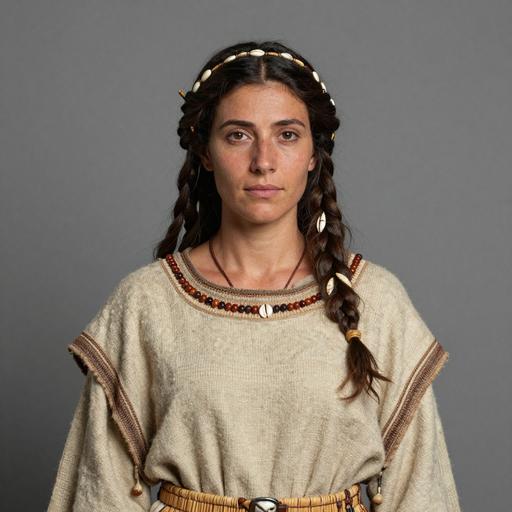
NEO1
Ertebølle culture
5209 BCE
Holmegard-Djursland (Jutland region), Denmark
NEO310
Anau Culture Eneolithic
4800 BCE
Monjukli-Depe (Ahai, Kaka), Turkmenistan
NEO33
Middle Neolithic Denmark
3353 BCE
Vittrup (Jutland region), Denmark
NEO36
Swedish Funnel Beaker Culture
3495 BCE
Hindby mosse (Skåne län, Malmö), Sweden
NEO38
Swedish Funnel Beaker Culture
3335 BCE
Hindby mosse (Skåne län, Malmö), Sweden
NEO39
Swedish Funnel Beaker Culture
3336 BCE
Hindby mosse (Skåne län, Malmö), Sweden
NEO41
Danish Early Neolithic
3699 BCE
Rude (Jutland region), Denmark
NEO43
Danish Early Neolithic
3770 BCE
Rude (Jutland region), Denmark
NEO44
Swedish Middle Neolithic Battle Axe Culture
2619 BCE
Dösemarken (Skåne län, Malmö), Sweden
NEO46
Swedish Culture
3768 BCE
Ängdala (Skåne län, Malmö), Sweden
NEO492
Mesolithic Ukraine
9400 BCE
Vasylivka-1 (Dnipropetrovsk Oblast, Synelnykove District, Rajivka municipality), Ukraine
NEO121
Chalcolithic France
2848 BCE
Grotte Mandrin (Rhone-Alpes), France
| Sample ID | Culture/Period | Date | Location | Action |
|---|---|---|---|---|
| NEO1 | Ertebølle culture | 5209 BCE | Holmegard-Djursland (Jutland region), Denmark | View |
| NEO310 | Anau Culture Eneolithic | 4800 BCE | Monjukli-Depe (Ahai, Kaka), Turkmenistan | View |
| NEO33 | Middle Neolithic Denmark | 3353 BCE | Vittrup (Jutland region), Denmark | View |
| NEO36 | Swedish Funnel Beaker Culture | 3495 BCE | Hindby mosse (Skåne län, Malmö), Sweden | View |
| NEO38 | Swedish Funnel Beaker Culture | 3335 BCE | Hindby mosse (Skåne län, Malmö), Sweden | View |
| NEO39 | Swedish Funnel Beaker Culture | 3336 BCE | Hindby mosse (Skåne län, Malmö), Sweden | View |
| NEO41 | Danish Early Neolithic | 3699 BCE | Rude (Jutland region), Denmark | View |
| NEO43 | Danish Early Neolithic | 3770 BCE | Rude (Jutland region), Denmark | View |
| NEO44 | Swedish Middle Neolithic Battle Axe Culture | 2619 BCE | Dösemarken (Skåne län, Malmö), Sweden | View |
| NEO46 | Swedish Culture | 3768 BCE | Ängdala (Skåne län, Malmö), Sweden | View |
| NEO492 | Mesolithic Ukraine | 9400 BCE | Vasylivka-1 (Dnipropetrovsk Oblast, Synelnykove District, Rajivka municipality), Ukraine | View |
| NEO121 | Chalcolithic France | 2848 BCE | Grotte Mandrin (Rhone-Alpes), France | View |
| NEO494 | Mesolithic Ukraine | 9664 BCE | Vasylivka-1 (Dnipropetrovsk Oblast, Synelnykove District, Rajivka municipality), Ukraine | View |
| NEO496 | Mesolithic Ukraine | 9400 BCE | Vasylivka-1 (Dnipropetrovsk Oblast, Synelnykove District, Rajivka municipality), Ukraine | View |
| NEO497 | Mesolithic Ukraine | 9400 BCE | Vasylivka-1 (Dnipropetrovsk Oblast, Synelnykove District, Rajivka municipality), Ukraine | View |
| NEO498 | Dnieper-Mariupol Culture | 5623 BCE | Vovnihy-2 (Dnipropetrovsk Oblast, Dnipro District, Solone municipality), Ukraine | View |
| NEO501 | Mesolithic Ukraine | 9446 BCE | Vasylivka-1 (Dnipropetrovsk Oblast, Synelnykove District, Rajivka municipality), Ukraine | View |
| NEO502 | Dnieper-Mariupol Culture | 5361 BCE | Vovnihy-2 (Dnipropetrovsk Oblast, Dnipro District, Solone municipality), Ukraine | View |
| NEO503 | Dnieper-Mariupol Culture | 5473 BCE | Vovnihy-2 (Dnipropetrovsk Oblast, Dnipro District, Solone municipality), Ukraine | View |
| NEO507 | Dnieper-Mariupol Culture | 5554 BCE | Vovnihy-2 (Dnipropetrovsk Oblast, Dnipro District, Solone municipality), Ukraine | View |
| Sample ID | Culture/Period | Date | Location | Action |
|---|---|---|---|---|
| NEO721 | Chalcolithic Culture of Madrid | 2622 BCE | Camino de las Yeseras (Madrid), Spain | View |