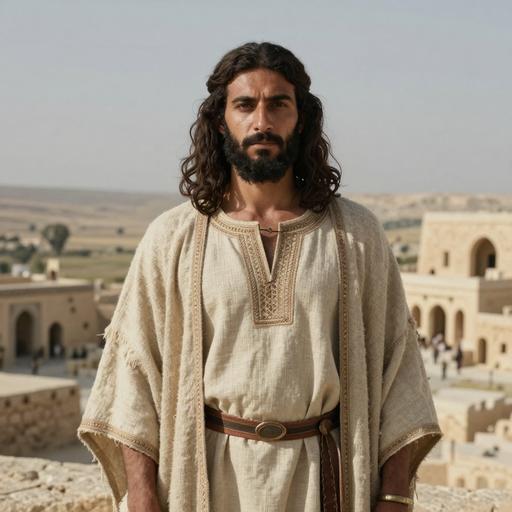
Iron Age II Ashkelon, located on the southern coast of modern-day Israel, is a fascinating period and culture marked by a blend of Canaanite and emerging Phoenician influences. This era, roughly spanning from 1000 to 586 BCE, is characterized by significant cultural, economic, and political developments.
Geographic and Historical Context
Ashkelon was one of the prominent city-states of the southern Levant, situated strategically along the Mediterranean Sea. Its location made it a crucial hub for trade and interaction between various civilizations, including the Egyptians, Philistines, Assyrians, and emerging Israelite tribes. The city’s access to maritime routes facilitated exchanges between the cultures of the Eastern Mediterranean and introduced a variety of goods, ideas, and technologies.
Urban Development and Architecture
During Iron Age II, Ashkelon experienced substantial urban growth. The city was fortified with massive walls and gates, demonstrating advanced architectural techniques and the importance of defense. Ashkelon’s urban plan included well-organized residential areas, public buildings, and religious sanctuaries.
The houses were typically built from mudbrick, with some stone structures indicative of wealthier inhabitants or significant public use. The presence of monumental buildings and fortifications points to an organized society with resources allocated for communal projects.
Economy and Trade
Ashkelon’s economy was robust, with agriculture being a primary sector due to the fertile lands surrounding the city. However, its real economic strength derived from its status as a trade center. The city exported local products like olive oil, wine, and grains while importing luxuries such as metals, ivory, and fine pottery from distant lands.
The Phoenician influence, with their exceptional seafaring skills, further intensified Ashkelon’s maritime trade. The city was part of the broader Phoenician trading network, contributing to the spread of goods and ideas across the Mediterranean.
Religion and Cultural Life
The religious and cultural life of Ashkelon during this period was diverse. The Canaanite religious traditions persisted, characterized by polytheism and the worship of deities such as Baal and Astarte. Archaeological evidence from temples and religious artifacts suggests ritualistic practices and ceremonies were integral to daily life.
The Phoenician influence introduced new religious practices and artistic styles. Phoenician art, known for its intricate designs and symbolism, merged with local traditions, leading to a unique cultural synthesis in Ashkelon. This blend is evident in pottery, jewelry, and sculpture found in the area.
Social and Political Structure
The social structure of Ashkelon was likely hierarchical, with a ruling elite overseeing the city’s administration and trade. The presence of luxury goods and substantial homes suggests a wealthy class that benefited from the city’s prosperity. There may have been a king or local governor who acted as a political leader, supported by officials who managed various aspects of city life.
As part of the larger geopolitical landscape, Ashkelon had to navigate its autonomy amid the presence of powerful neighboring empires. Throughout Iron Age II, alliances and conflicts shifted with entities like Egypt, Assyria, and Judah, influencing Ashkelon’s political strategies and stability.
Conclusion
Iron Age II Ashkelon was a vibrant and dynamic city-state reflecting the complexities of the ancient world. Its strategic location as a trade hub, combined with its rich cultural tapestry of Canaanite and Phoenician influences, created a society that was prosperous and influential in the region. Despite the challenges posed by external powers, Ashkelon maintained a distinct identity, leaving behind a legacy that continues to intrigue historians and archaeologists today.