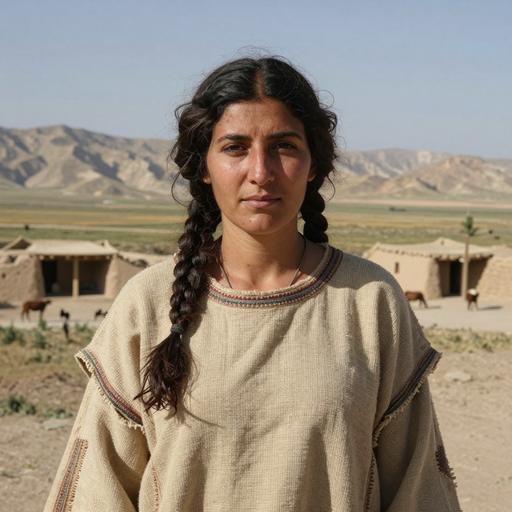
The Early Preceramic Neolithic period in Turkey, particularly at sites like Aşıklı Höyük, represents a significant chapter in the development of human civilization in Anatolia. This era, dating back to approximately 10,000 to 8,000 BCE, marks the transition from hunter-gatherer societies to more settled, agrarian communities. Aşıklı Höyük, located in the central part of modern-day Turkey, provides a remarkable archaeological window into the complexities and innovations of early Neolithic life.
Settlement Patterns and Architecture
Aşıklı Höyük was characterized by its densely packed architecture and well-organized community layout, reflective of a shift towards more permanent settlements. The structures were primarily constructed using mud-brick materials, showcasing early experimentation with building techniques suited for more sedentary life. The rectangular and trapezoidal houses were often small, reflecting both the close-knit nature of these early communities and the practical considerations of available resources. Structures shared common walls, indicating a sophisticated understanding of architectural planning and a communal approach to space utilization.
Subsistence and Economy
The inhabitants of Aşıklı Höyük were among the pioneers of agriculture in the region. The economy was largely based on the cultivation of early domesticated plant species, including einkorn wheat and emmer, as well as legumes like lentils. The domestication and management of plants signify a crucial shift from dependence on wild resources to self-sustaining agriculture. Although primarily engaged in farming, these communities also continued to forage and hunt, particularly exploiting regional game such as aurochs and various birds.
Animal domestication was also emerging during this period, with evidence suggesting the early management of goats and possibly sheep. This nascent pastoralism provided not only a diversified diet but also materials such as wool and hides, contributing to the development of textile crafts and other industries.
Social Organization and Cultural Practices
The social structure of Aşıklı Höyük was likely complex and kin-based, with evidence of communal organization in food production and construction efforts. There is limited evidence of social stratification, suggesting either an egalitarian community or one with subtle social hierarchies not easily detected archaeologically. However, certain individuals or groups may have wielded temporary or situational influence, particularly in decision-making processes regarding agricultural cycles or communal projects.
Ritualism and symbolic behavior were important to Aşıklı Höyük residents. Ritual participation likely played a role in reinforcing social cohesion and shared identity. There is evidence of symbolic and religious activities, such as the placement of animal skulls within or near residential structures, which could indicate early forms of ancestor worship or totemic practices. Mortuary practices at Aşıklı Höyük provide clues about cultural beliefs, with burials found within the settlement, sometimes under the floors of houses, suggesting an intimate relationship between the living and the dead.
Technological and Artistic Achievements
The preceramic communities exhibited significant technological innovations, particularly in tool-making. The use of obsidian, when available, allowed for the production of sharp tools for cutting and butchering. The Aşıklı Höyük site is notable for its extensive use of tools and blades made from locally sourced obsidian, which also played a role in trade networks, linking Aşıklı Höyük to broader regional interactions.
Artistic expressions, though limited when compared to later periods, include the production of small figurines and the decoration of living surfaces with pigments derived from natural resources. These artifacts provide insights into early symbolic thought and aesthetic appreciation.
Interactions and Legacy
Aşıklı Höyük and other early Neolithic sites in Anatolia contributed significantly to the Neolithic Revolution, marking a major evolutionary step in human history. These communities played a pivotal role in spreading agricultural practices and domesticated species, influencing neighboring regions and laying the groundwork for increasingly complex societies.
In summary, the Early Preceramic Neolithic period at Aşıklı Höyük in Anatolia marks a transformative era characterized by the advent of agriculture, the construction of permanent settlements, and the genesis of complex social and cultural norms. This period laid the foundation for the future development of human civilization in the region and beyond, leaving a profound legacy that shaped the course of history.