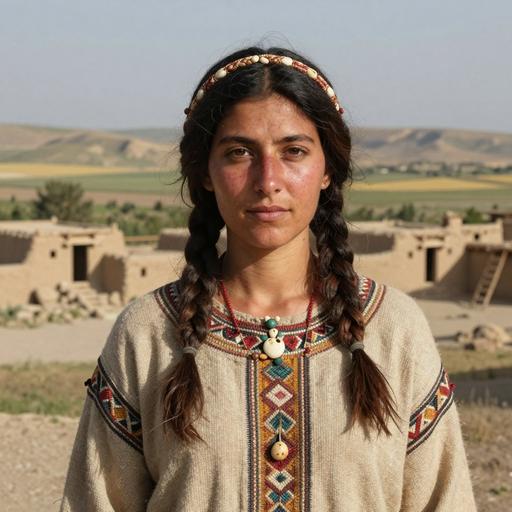
Çatalhöyük, a well-documented archaeological site located in present-day Turkey, provides a fascinating glimpse into the Neolithic culture of the Anatolian region. This site, occupied from approximately 7100 BC to 5700 BC, is one of the best-preserved and most extensively studied Neolithic settlements, reflecting a time when humans were transitioning from hunter-gatherer lifestyles to more settled farming communities. The era is often referred to as the Anatolian Neolithic or the Neolithic Ceramic period, reflective of the critical role ceramics played during this time.
Settlement and Architecture
Çatalhöyük was a large settlement mound situated in the Konya Plain of central Turkey. The site featured densely-packed mudbrick houses, built directly adjacent to each other without streets, suggesting a highly collaborative community structure. These homes were accessed through the roof, indicating an adaptation to both environmental conditions and social organization. The houses contained multiple rooms with plastered walls and floors, often decorated with frescoes, reliefs, and intricate geometric patterns. Inside, platforms were used for both sleeping and working, and features like hearths, ovens, and storage bins indicated a well-organized domestic life.
Economy and Subsistence
The inhabitants of Çatalhöyük practiced an economy based on agriculture and animal husbandry. They cultivated crops such as wheat, barley, and legumes while domesticating animals like cattle, sheep, and goats. Archaeological evidence suggests that the community supplemented their diet with wild plants, fish, and game, reflecting a mixed subsistence strategy. The shift from hunting and gathering to farming initiated profound changes in social organization, resource management, and technological innovation.
Ceramics and Artisanship
Ceramics from Çatalhöyük provide crucial insights into the technological and artistic advancements of the Anatolian Neolithic. Pottery was hand-crafted without the use of a wheel, typically shaped through coiling and pinching methods. These early ceramics were often utilitarian, used for storage, cooking, and consumption, but they also held symbolic and ritualistic purposes. The styles were diverse, ranging from simple, undecorated containers to those adorned with intricate motifs and designs. The artistry of Çatalhöyük ceramics illustrates early experimentation with material properties and aesthetics, reflecting broader cultural trends in identity and expression.
Social and Ritual Life
The complex social and ritual life of Çatalhöyük is evidenced in its art and burial practices. Numerous wall paintings, sculptures, and installations have been uncovered within the domestic and communal spaces, portraying scenes of humans, animals, and symbolic figures. These artworks suggest a deep cosmological understanding and possibly a form of spiritual or religious belief system. Burials were typically conducted beneath the floors of houses, sometimes accompanied by grave goods, indicating a belief in an afterlife or the maintenance of kinship ties beyond death.
Trade and Interaction
Artifacts such as obsidian tools and other exotic materials found at Çatalhöyük demonstrate long-distance trade networks and interaction with other Neolithic communities. The movement of materials like obsidian, sourced from distant regions, underscores a complex web of trade and cultural exchange. Such interactions likely facilitated the spread of technological innovations and cultural practices across the region.
Legacy and Impact
The Neolithic Ceramic period of Anatolia, as exemplified by Çatalhöyük, marks a pivotal period in human history. It represents the initial stages of urbanization and the development of complex societies, illustrating the interplay between environmental adaptation and social innovation. The legacy of Çatalhöyük is crucial for understanding the broader transformations of the Neolithic era, particularly in the context of human habitation, social organization, and cultural creativity.
In summary, the Anatolian Neolithic era, embodied by sites like Çatalhöyük, offers a comprehensive view of early human communities as they navigated the thresholds of agriculture, architecture, and societal development. Their achievements in ceramics and other arts set the stage for subsequent cultural advancements in Anatolia and beyond.