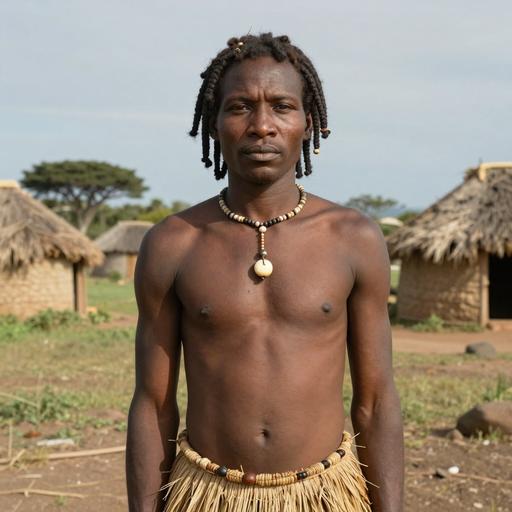
South Africa, around 1900 years before present (BP), offers a fascinating insight into the cultural and historical developments of the region during the early Bantu expansion. This era, occurring roughly around 100 AD, marks a significant chapter in Africa's pre-colonial period characterized by the gradual spread of Bantu-speaking peoples across sub-Saharan Africa. Here's a detailed exploration of this period in South Africa's history:
Geographical Context
South Africa's landscape in this era was vast and varied, consisting of savannas, grasslands, semi-arid regions, and coastal areas. The movement of the Bantu-speaking peoples brought them into contact with diverse environments, each shaping their cultural and agricultural practices.
Bantu Expansion
The Bantu expansion is one of the most significant migratory events in ancient African history. Originating from the region around present-day Cameroon and Nigeria, Bantu-speaking groups gradually dispersed eastward and southward over many centuries, bringing with them new technologies, crops, and social structures. By 1900 BP, these groups had begun to settle into various parts of southern Africa.
Cultural Practices
Agriculture and Economy: The arrival of Bantu-speaking peoples introduced mixed farming to the region. They cultivated crops such as sorghum, millet, and later, finger millet, alongside the practice of pastoralism. The adoption of ironworking technology also played a crucial role in transforming the local economies, as it allowed for more efficient farming tools and weapons.
Social Organization: Bantu communities typically organized themselves into kinship groups or clans led by chiefs. Social structures were largely patriarchal, with lineage often traced through the father's line. These communities were characterized by a degree of fluidity and adaptability, which allowed them to integrate and sometimes assimilate indigenous Khoisan-speaking populations.
Language and Communication: The spread of Bantu languages was a vital aspect of their migration. Over time, these languages diversified into hundreds of distinct languages and dialects spread across the African continent. Language played a crucial role in maintaining community cohesion and shared cultural practices.
Interaction with Indigenous Populations
As Bantu-speaking peoples moved into Southern Africa, they encountered the existing hunter-gatherer and pastoralist communities, primarily Khoisan-speaking groups. The interactions between these groups were complex, involving trade, cultural exchange, and sometimes conflict. Over time, these interactions led to mutual influences on languages, technologies, and social customs.
Technological Advancements
One of the hallmarks of the Bantu expansion was the spread of iron smelting technology, which allowed for significant changes in agriculture and warfare. The ability to produce iron tools and weapons facilitated the clearing of land for farming and improved hunting capabilities.
Religious and Spiritual Beliefs
Religious practices of Bantu communities during this period were often animistic, with a strong emphasis on the worship of ancestors and natural spirits. Rituals and ceremonies were vital components of community life, helping to solidify social bonds and cultural continuity.
Archaeological Evidence
Archaeological discoveries provide insights into this era, with sites revealing iron tools, pottery, and remnants of early agricultural practices. These findings underscore the transformative impact of the Bantu migrations on the southern African landscape and its people.
Conclusion
The period around 1900 years before present marks a transformative era in South African history as Bantu-speaking peoples settled and integrated into the region. Their migration and cultural practices laid the foundations for future societal developments, and their influence is still evident in the languages, customs, and demographics of modern southern Africa. This era represents a dynamic time of cultural synthesis and adaptation that shaped the historical trajectory of the African continent.