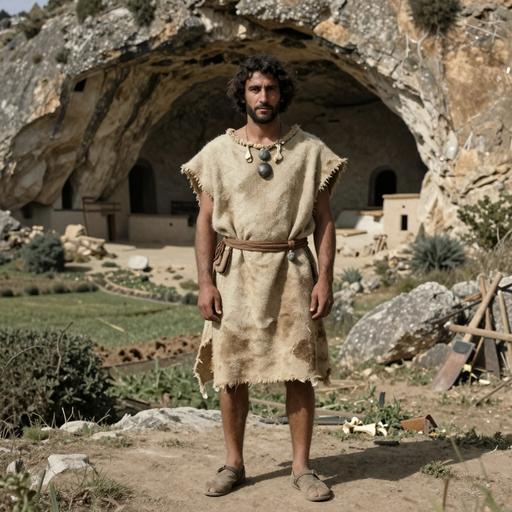
The Late Neolithic period in Spain, part of the broader prehistoric era of the Iberian Peninsula, marks a significant phase in the region's cultural and technological development. This era, generally dated from around 3000 to 2500 BCE, sees the culmination of Neolithic advancements and a prelude to the Copper Age or Chalcolithic period.
Geography and Environment:
Late Neolithic Spain was characterized by diverse geographical features ranging from the mountainous north, fertile river valleys, to the extensive Mediterranean coastline. The varied landscape influenced distinct regional cultures and practices. Climatic conditions during this period were relatively stable, fostering dense woodlands, open grasslands, and favorable agricultural conditions which supported settled communities.
Settlements and Architecture:
During this time, settlements in Spain became more permanent and complex. Neolithic communities were typically composed of small, scattered villages situated near arable land. The construction of more substantial, durable structures was common, with domestic buildings often made from local materials like timber, stone, and adobe. Megalithic monuments such as dolmens and passage graves are characteristic of this era, serving both burial and ceremonial purposes. These structures suggest sophisticated social organization and shared cultural or religious beliefs.
Economy and Subsistence:
Agriculture was the foundation of the Late Neolithic economy, with communities cultivating crops such as wheat, barley, and legumes. This period also saw the domestication of various animals, including cattle, sheep, and goats, which complemented hunting and foraging practices. The increase in agricultural productivity and improved food storage techniques likely contributed to population growth and settlement stability.
Technology and Craftsmanship:
The Late Neolithic in Spain witnessed significant technological advancements. Stone tool production, particularly of polished axes and arrowheads, became more refined. Pottery also evolved, with the appearance of more sophisticated shapes and decorative motifs, indicating a cultural exchange within and beyond the Iberian Peninsula. Evidence of textile production has been found, suggesting the use of spinning and weaving techniques.
Social Organization:
Social structures in Late Neolithic communities were likely complex, though primarily egalitarian. The existence of specialized crafts and monumental architecture suggests some form of social stratification or differentiation in roles, possibly led by elders or religious figures. There is evidence of both communal and individual burial practices, which may indicate varying social statuses or roles within these communities.
Cultural and Religious Practices:
The construction of megalithic structures is the most visible expression of Late Neolithic spiritual and communal life in Spain. These structures, interspersed with engravings and artifacts, point to ritualistic practices and a belief in an afterlife or ancestor veneration. Symbolic art found in cave paintings and carved stones further indicates a rich spiritual or mythological life, which was integral to community identity.
Regional Variations:
The Late Neolithic period was not homogeneous across Spain. The Mediterranean coastal regions, central plateau, and northern areas such as Galicia and Asturias each exhibited distinct cultural practices while sharing overarching Neolithic features. Coastal areas, for example, were more inclined towards maritime contacts and influences due to their proximity to the Mediterranean trade routes.
Transition to Copper Age:
As the Late Neolithic period concluded, signs of new technologies and materials emerged, marking the transition to the Copper Age. Metallurgy began to take root, with communities experimenting with copper tools and ornaments. This transitional phase set the stage for further cultural evolution and the rise of more complex societies in the ensuing millennia.
In summary, Late Neolithic Spain represents a critical juncture in prehistoric Iberia, characterized by agricultural development, social complexity, and the pervasive influence of megalithic culture. This period laid the foundational cultural, technological, and economic elements for subsequent societal transformations.