Region & Environment
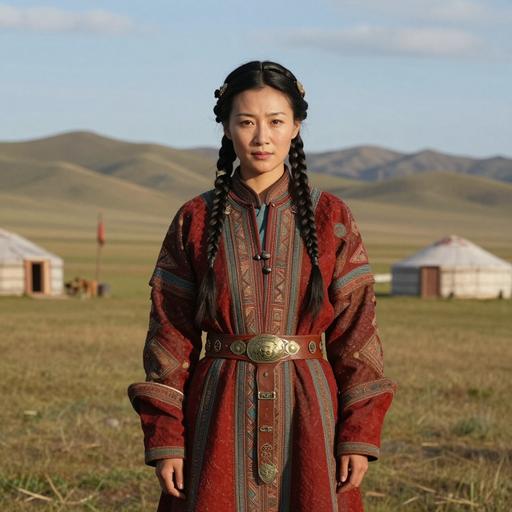
This era is centered on the Mongolian steppe and adjacent grassland zones where seasonal pasture and water availability shaped movement. River valleys and open plains provided routes for herding, travel, and conflict, while climatic variability favored flexible lifeways.
Historical Context
During these centuries, the steppe political landscape was dynamic. Xiongnu-associated confederations were prominent earlier in the range, and later developments included the emergence and expansion of Xianbei-associated groups and other steppe coalitions across Inner Asia. Power changed through warfare, diplomacy, and the management of tributary and alliance relationships.
Populations & Lifeways
Populations were largely mobile pastoralists who depended on herding and seasonal rounds. Social organization centered on clans and alliance networks that could mobilize riders for campaigns and provide logistical support. Communities likely varied in degrees of mobility and in how they exploited different ecological niches.
Archaeology & Material Culture
Archaeological evidence for this span includes distinctive burial practices and grave goods that can indicate social differentiation and political influence. Metalwork, ceramics, and personal items—along with locally adapted traditions—reflect both internal steppe practices and broader connections across Inner Asia. The visibility of different regional styles in burials helps track shifting affiliations over time.
Culture & Society
Steppe society in this era was organized around leadership and coalition building. Political authority depended on command of mounted forces, control of key resources and routes, and the ability to negotiate with or compel neighboring groups. Cultural practices—including funerary traditions and patterns of craft production—helped express status and group identity.
Legacy & Transition
As Xiongnu-related power declined and Xianbei-associated networks rose, the steppe’s confederational system continued but with new leaders and alliances. The transitions of these centuries set patterns for later Inner Asian political formations, including Turkic-era steppe states.