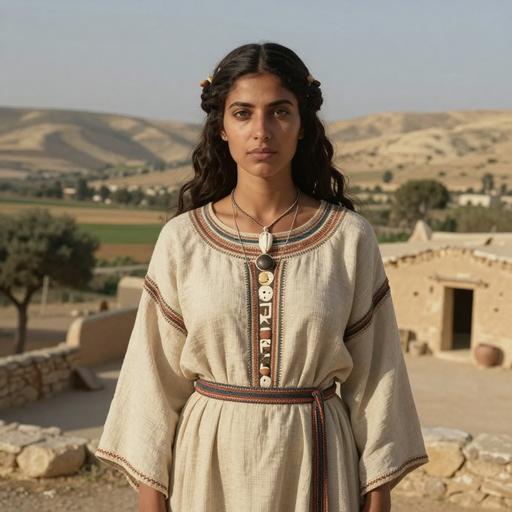
The Chalcolithic period, also known as the Copper Age, marks a fascinating era in the ancient Near Eastern civilizations, particularly in the region that is present-day Israel. This period, roughly spanning from 4500 to 3500 BCE, is characterized by significant technological advancements, social organization changes, and cultural developments.
Technological and Material Advances
The Chalcolithic era in this region is notable for the introduction and use of copper alongside stone tools, marking a critical transition from the Neolithic period. This adoption of metalworking technologies introduced significant changes in tool and weapon manufacturing. Copper was used to produce various objects, from decorative items to functional tools. However, stone tools remained predominant due to the scarcity and cost of copper, resulting in a material culture that combined both stone and metal artifacts.
Settlement and Architecture
During the Chalcolithic period, there is evidence of increasingly complex village settlements with indications of organized community life. Archaeological excavations have uncovered a variety of dwelling types, including semi-subterranean and above-ground structures made from mudbrick and stone. These settlements were often located near water sources and fertile land, suitable for agriculture and animal husbandry.
Significant architectural developments are evident in the construction of specialized structures such as storage facilities and possibly ritual buildings, suggesting a degree of planning and communal organization. Sites like Teleilat Ghassul display remnants of vibrant wall paintings, indicating a flourishing of artistic expression and potential religious or cultural significance.
Economy and Subsistence
The Chalcolithic economy was primarily based on agriculture, supplemented by animal husbandry, hunting, and gathering. The cultivation of crops like wheat, barley, and legumes, alongside the domestication of animals such as cattle, sheep, and goats, provided a stable food supply. The introduction of the plow and irrigation techniques during this period likely contributed to increased agricultural yields.
Trade played a crucial role in the Chalcolithic economy, as evidenced by the widespread distribution of objects made from non-local materials. This includes the famous ossuaries found in the region, often made from quality limestone and exhibiting artistic influences from surrounding cultures. The exchange networks likely facilitated the spread of technological innovations and cultural practices throughout the region.
Religion and Burial Practices
The religious practices of Chalcolithic Israel are less understood but can be inferred from burial customs and art. Intricate funerary objects and elaborate burial sites suggest a complex belief system. Ossuaries, often decorated with symbolic motifs, highlight the importance of ancestor veneration and possibly an early form of ritualism or spiritual belief tied to the afterlife.
The presence of cultic objects like figurines and ceremonial items implies that religion played a significant role in everyday life, possibly involving ritual activities connected with fertility, death, or community cohesion. Sites such as the Ein Gedi Temple complex indicate places of communal worship, showcasing architectural layouts suggestive of organized religious gatherings.
Social Structure and Organization
The Chalcolithic period in Israel saw the beginnings of more stratified and organized societies. Evidence suggests the existence of specialized roles within communities, such as craftsmen or religious leaders, pointing to a division of labor. Artifacts, including high-quality ceramics and metal items, reflect specialized production techniques that likely required skilled artisans.
The emergence of social hierarchy is also suggested by the unequal distribution of wealth and elaborate grave goods found in some burial sites, indicating that certain individuals or groups within these societies began to accrue more power or status than others.
Art and Culture
Art during the Chalcolithic period flourished, with a variety of expression evident in pottery, sculpture, and wall painting. Ceramic styles from this era are particularly noteworthy for their decoration and form, including intricate designs and motifs that may hold symbolic meaning.
The richness of Chalcolithic art reflects a culture with a strong aesthetic sensibility, as well as the influence of neighboring civilizations. The diversity and sophistication of artistic endeavors during this period speak to a vibrant cultural exchange and the development of unique regional identities within the larger Near Eastern context.
In summary, Chalcolithic Israel represents a dynamic and transformative phase in ancient Near Eastern history, marked by technological innovation, social complexity, and cultural richness. The legacies of this era laid essential foundations for the subsequent Bronze Age civilizations that would emerge in the region.