Menu
Currency
Main
Store
Blog

Loading Report

Preparing your ancestry journey

Connecting to ancient matches...

Preparing your report

Skip to main content
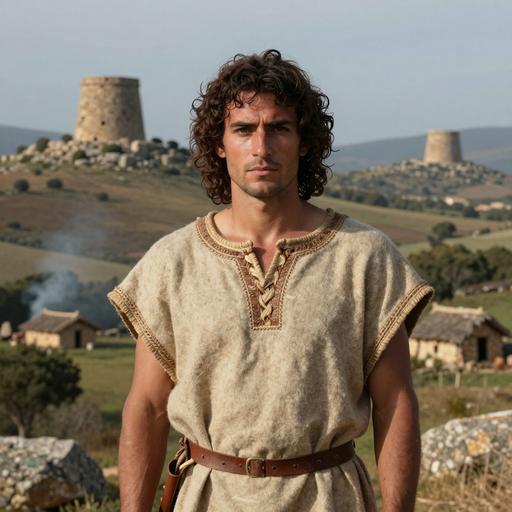
Portrait reconstruction of A man buried in Italy in the Early Bronze Age era
Ancient Individual

A man buried in Italy in the Early Bronze Age era

A man buried in Italy during the Early Bronze Age Sardinia, Italy

A fragment of the ancient world, preserved across millennia in strands of DNA.

I3743
2136 BCE - 1946 BCE
Male
Italy
Scroll to begin
Chapter I

Identity

The biological and cultural markers that define this ancient individual

Sample ID

I3743

Date Range

2136 BCE - 1946 BCE

Cultural Period

Early Bronze Age Sardinia, Italy

Biological Sex

Male

mtDNA Haplogroup

H

Y-DNA Haplogroup

R-L754

Chapter II

Place

Where this individual was discovered

Country Italy
Locality Sardinia. Seulo
Coordinates 39.8666, 9.2334
Chapter III

Time

When this individual lived in the broader context of human history

I3743 2136 BCE - 1946 BCE
Chapter IV

Story

The narrative of this ancient life

The Early Bronze Age (EBA) in Sardinia, Italy, is a fascinating period marked by significant developments in social, cultural, and technological domains. This era roughly spans from 2300 to 1600 BCE, and it represents a transitional phase from the Neolithic and Chalcolithic periods to the more complex societal structures seen in the later Nuragic civilization.

Geographical and Environmental Context

Sardinia, the second-largest island in the Mediterranean, is characterized by its diverse geography, featuring mountain ranges, rolling hills, fertile plains, and a long, rugged coastline. During the Early Bronze Age, these features significantly influenced the lifestyle and settlement patterns of its inhabitants. The island's central position in the Mediterranean also made it a crucial nexus for maritime trade and cultural exchange.

Societal and Cultural Developments

1. Settlements and Architecture:
During the EBA, Sardinian communities began establishing more permanent settlements, typically in elevated areas which offered natural defense and extensive views over the surrounding landscape. The architecture of this period began to exhibit more complexity, with constructions made from stone and wood. Villages consisted of circular or oval huts with stone foundations and thatched roofs, often organized around a central communal area.

2. Social Structure:
The societies during this time were likely organized in relatively egalitarian tribal structures, with little evidence of concentrated power or elite ruling classes. However, emerging leaders or chieftains may have existed to mediate disputes and organize collective activities, especially in larger communities.

Economic and Technological Aspects

1. Agriculture and Animal Husbandry:
The Early Bronze Age saw advancements in agricultural practices, with communities cultivating cereals, legumes, and vines. The Sardinians also practiced animal husbandry, raising sheep, goats, pigs, and cattle, which provided meat, milk, wool, and leather. The surplus production could have facilitated trade with neighboring regions.

2. Metallurgy:
The period is marked by the innovation and spread of metallurgy. Sardinians started working with copper to create tools, weapons, and adornments, which marked a significant technological shift from the stone tools of earlier periods. Evidence suggests that Sardinia may have been involved in extensive trade networks, exchanging metals and crafted items with other Mediterranean cultures.

Burial Practices and Rituals

Burial practices in Early Bronze Age Sardinia show a combination of individual and collective interments. Tomb structures evolved, with megalithic elements increasingly incorporated into the graves, indicating beliefs in an afterlife. The presence of grave goods, such as pottery, tools, and personal ornaments, points to ritualistic elements in funerary practices and possibly beliefs in a continuation of life after death.

Art and Symbolism

Sardinian communities expressed their cultural identity through various forms of art and symbolism. Pottery from this era, often undecorated or with simple incised patterns, displays functional design as well as aesthetic considerations. Stone sculptures and carved standing stones (known as menhirs) suggest spiritual or ritualistic significance, possibly representing deities, ancestors, or territorial markers.

Interaction with Other Cultures

Sardinia's strategic location facilitated interaction with other contemporary Mediterranean cultures, such as those in the Italian Peninsula, the Aegean, and North Africa. These interactions likely involved trade, but also the exchange of ideas and technologies. The introduction and adaptation of metallurgy, for example, could have been a result of such contacts.

Conclusion

The Early Bronze Age in Sardinia was a period of profound change and development. It set the stage for the emergence of more complex societal structures and the island’s subsequent cultural evolution. While relatively isolated by its geography, Sardinia was more interconnected with the broader Mediterranean world than might be presumed, engaging in trade and cultural exchanges that contributed to its unique cultural trajectory. The foundations laid during this era would influence Sardinia’s later civilizations, especially the iconic Nuragic culture that dominated the island in subsequent millennia.

Context

Related Samples

This individual exists within a broader network of ancient samples. No ancient genome stands alone.

Sample ID Culture/Period Date Location Action
I3642 Late Bronze Age Sardinia, Italy 1121 BCE Sardinia. Alghero, Italy View
I3876 Late Bronze Age Sicily, Italy 1107 BCE Sicily. Marcita, Italy View
I3741 Late Bronze Age Sardinia, Italy 1221 BCE Sardinia. Persasdefogu, Italy View
I3743 Early Bronze Age Sardinia, Italy 2136 BCE Sardinia. Seulo, Italy View
I4109 Middle Bronze Age Sicily, Italy 1618 BCE Sicily. Buffa, Italy View
I3122 Early Bronze Age Sicily 2272 BCE Sicily. Buffa, Italy View
I3123 Early Bronze Age Sicily 2287 BCE Sicily. Buffa, Italy View
I3124 Early Bronze Age Sicily 1949 BCE Sicily. Buffa, Italy View
I3125 Middle Bronze Age Sicily, Italy 1612 BCE Sicily. Buffa, Italy View
I4062 Middle Neolithic Sicily 4984 BCE Sicily. Fossato di Stretto Partana, Italy View
I4065 Middle Neolithic Sicily 4988 BCE Sicily. Fossato di Stretto Partana, Italy View
I4063 Middle Neolithic Sicily 4987 BCE Sicily. Fossato di Stretto Partana, Italy View
I4329 Mallorcan EBA 2468 BCE Balearic Islands. Mallorca. Cova des Moro, Spain View
I10364 Late Bronze Age Sardinia, Italy 1150 BCE Sardinia. Alghero, Italy View
I10366 Iron Age 1 Sardinia, Italy 389 BCE Sardinia. Usellus, Italy View
I11442 Early Bronze Age Sicily 2276 BCE Sicily. Buffa, Italy View
I11443 Early Bronze Age Sicily 2872 BCE Sicily. Buffa, Italy View
I4420 Middle Bronze Age Formentera, Spain 1879 BCE Balearic Islands. Formentera. Cova 127, Spain View
I7796 Early Bronze Age Sicily 1880 BCE Sicily. Contrada Paolina. Castellucciana, Italy View
I7800 Early Bronze Age Sicily 2127 BCE Sicily. Contrada Paolina. Castellucciana, Italy View
I7807 Early Bronze Age Sicily 2195 BCE Sicily. Contrada Paolina. Castellucciana, Italy View
I8561 Early Bronze Age Sicily 2399 BCE Sicily. Isnello, Italy View
I10373 Late Bronze Age Sicily, Italy 1400 BCE Sicily. Marcita, Italy View
I10372 Late Bronze Age Sicily, Italy 1377 BCE Sicily. Marcita, Italy View
I10371 Late Bronze Age Sicily, Italy 1400 BCE Sicily. Marcita, Italy View
I4064 Middle Neolithic Sicily 4841 BCE Sicily. Fossato di Stretto Partana, Italy View
I10554 Late Bronze Age Sardinia, Italy 1261 BCE Sardinia. Perdasdefogu, Italy View
I10552 Late Bronze Age Sardinia, Italy 1386 BCE Sardinia. Perdasdefogu, Italy View
I10553 Late Bronze Age Sardinia, Italy 1255 BCE Sardinia. Perdasdefogu, Italy View
I3878 Late Bronze Age Sicily, Italy 1382 BCE Sicily. Marcita, Italy View
I14678 Chalcolithic Monte Claro Culture, Sardinia, Italy 2454 BCE Sardinia. Serra Cabriles, Italy View
I14677 Chalcolithic Monte Claro Culture, Sardinia, Italy 2464 BCE Sardinia. Serra Cabriles, Italy View
I14675 Chalcolithic Monte Claro Culture, Sardinia, Italy 2191 BCE Sardinia. Serra Cabriles, Italy View
I7805 Early Bronze Age Sicily 2017 BCE Sicily. Contrada Paolina. Castellucciana, Italy View
I16165 Neolithic Sardinia, Italy 3787 BCE Sardinia. Sa Ucca de su Tintirriolu, Italy View
I16163 Iron Age 2 Sardinia, Italy 757 BCE Sardinia. Anghelu Ruju, Italy View
I16183 Neolithic Sardinia, Italy 3346 BCE Sardinia. Anghelu Ruju, Italy View
I16168 Neolithic Sardinia, Italy 3949 BCE Sardinia. Anghelu Ruju, Italy View
I16166 Neolithic Sardinia, Italy 3941 BCE Sardinia. Sa Ucca de su Tintirriolu, Italy View
I16169 Chalcolithic Sardinia, Italy 2334 BCE Sardinia. Anghelu Ruju, Italy View
I16164 Chalcolithic Sardinia, Italy 2571 BCE Sardinia. Sa Ucca de su Tintirriolu, Italy View
I15941 Chalcolithic Sardinia, Italy 2343 BCE Sardinia. Anghelu Ruju, Italy View
I15947 Neolithic Sardinia, Italy 4200 BCE Sardinia. Anghelu Ruju, Italy View
I15942 Chalcolithic Sardinia, Italy 2459 BCE Sardinia. Anghelu Ruju, Italy View
I15945 Neolithic Sardinia, Italy 3967 BCE Sardinia. Anghelu Ruju, Italy View
I15946 Neolithic Sardinia, Italy 4158 BCE Sardinia. Anghelu Ruju, Italy View
I15939 Middle Bronze Age Sardinia, Italy 1800 BCE Sardinia. Anghelu Ruju, Italy View
I7774 Early Bronze Age Sicily 2200 BCE Sicily. Contrada Paolina. Castellucciana, Italy View
I16161 Middle Bronze Age Sardinia, Italy 1534 BCE Sardinia. Anghelu Ruju, Italy View
I4383 Early Bronze Age Sicily 2600 BCE Sicily. Vallone Inferno, Italy View
I12223 Late Antique Sardinia, Italy 257 CE Sardinia. Sant'Elia Cape. Grotta Colombi, Italy View
I15944 Neolithic Sardinia, Italy 4200 BCE Sardinia. Anghelu Ruju, Italy View
I3315 Late Bronze Age Menorca, Spain 904 BCE Balearic Islands. Menorca. Naveta des Tudons, Spain View
I14676 Chalcolithic Monte Claro Culture, Sardinia, Italy 2200 BCE Sardinia. Serra Cabriles, Italy View
I16170 Middle Bronze Age Sardinia, Italy 1491 BCE Sardinia. Anghelu Ruju, Italy View
I10365 Middle Bronze Age Sardinia, Italy 1663 BCE Sardinia. Seulo, Italy View
I15940 Chalcolithic Sardinia, Italy 2397 BCE Sardinia. Anghelu Ruju, Italy View
I12220 Late Antique Sardinia, Italy 607 CE Sardinia. Sant'Elia Cape. Grotta Colombi, Italy View
I15943 Neolithic Sardinia, Italy 3936 BCE Sardinia. Anghelu Ruju, Italy View
I12221 Early Medieval Sardinia, Italy 892 CE Sardinia. Sant'Elia Cape. Grotta Colombi, Italy View
I10502 Late Bronze Age Sardinia, Italy 1369 BCE Sardinia. Anulù Seui, Italy View
I4936 Bell Beaker Culture Sicily, Italy 2500 BCE Sicily. Salaputra. Partanna. Pergole 2, Italy View
I15947 4200 BCE Sardinia. Anghelu Ruju, Italy View
I3315 904 BCE Balearic Islands. Menorca. Naveta des Tudons, Spain View
I10365 1663 BCE Sardinia. Seulo, Italy View
I4420 1879 BCE Balearic Islands. Formentera. Cova 127, Spain View
I4936 2500 BCE Sicily. Salaputra. Partanna. Pergole 2, Italy View
I14676 2200 BCE Sardinia. Serra Cabriles, Italy View
I16170 1491 BCE Sardinia. Anghelu Ruju, Italy View
I15943 3936 BCE Sardinia. Anghelu Ruju, Italy View
I15940 2397 BCE Sardinia. Anghelu Ruju, Italy View
I12221 892 CE Sardinia. Sant'Elia Cape. Grotta Colombi, Italy View
I12220 607 CE Sardinia. Sant'Elia Cape. Grotta Colombi, Italy View
I10502 1369 BCE Sardinia. Anulù Seui, Italy View
Sample ID Culture/Period Date Location Action
I3743 Early Bronze Age Sardinia, Italy 2136 BCE Sardinia. Seulo, Italy View
I0206 Early Bronze Age Sardinia, Italy 1800 BCE Sardinia. Seulo. CA. Su Grutta ’e is Bittuleris, Italy View
I0207 Early Bronze Age Sardinia, Italy 1800 BCE Sardinia. Seulo. CA. Su Grutta ’e is Bittuleris, Italy View
I0209 Early Bronze Age Sardinia, Italy 1800 BCE Sardinia. Seulo. CA. Su Grutta ’e is Bittuleris, Italy View
I0210 Early Bronze Age Sardinia, Italy 1800 BCE Sardinia. Seulo. CA. Su Grutta ’e is Bittuleris, Italy View
JK2739 Early Bronze Age Sardinia, Italy 1882 BCE Sardinia. Seulo. CA. Su Grutta ’e is Bittuleris, Italy View
JK2723 Early Bronze Age Sardinia, Italy 1921 BCE Sardinia. Seulo. CA. Grutta I de Longu Fresu, Italy View
PJU002 Early Bronze Age Sardinia, Italy 2292 BCE Sardinia. Seneghe. OR. Padru Jossu, Italy View
JK2716 Early Bronze Age Sardinia, Italy 2274 BCE Sardinia. Seulo. CA. Riparo sotto roccia Su Asedazzu, Italy View
SUA005 Early Bronze Age Sardinia, Italy 2292 BCE Sardinia. Seulo. CA. Riparo sotto roccia Su Asedazzu, Italy View
SUA007 Early Bronze Age Sardinia, Italy 2026 BCE Sardinia. Seulo. CA. Riparo sotto roccia Su Asedazzu, Italy View
SUC001 Early Bronze Age Sardinia, Italy 2141 BCE Sardinia. Porto Torres. SAS. Su Crucifissu Mannu. t.16, Italy View
SUC003 Early Bronze Age Sardinia, Italy 2131 BCE Sardinia. Porto Torres. SAS. Su Crucifissu Mannu. t.16, Italy View
SUC004 Early Bronze Age Sardinia, Italy 2296 BCE Sardinia. Porto Torres. SAS. Su Crucifissu Mannu. t.16, Italy View
SUC005 Early Bronze Age Sardinia, Italy 2288 BCE Sardinia. Porto Torres. SAS. Su Crucifissu Mannu. t.16, Italy View
SUC006 Early Bronze Age Sardinia, Italy 2468 BCE Sardinia. Porto Torres. SAS. Su Crucifissu Mannu. t.16, Italy View
SUC007 Early Bronze Age Sardinia, Italy 2462 BCE Sardinia. Porto Torres. SAS. Su Crucifissu Mannu. t.16, Italy View
I18945 Early Bronze Age Sardinia, Italy 1867 BCE Sardinia. Porto Torres. SAS. Su Crucifissu Mannu. t.22, Italy View
JK2746 Early Bronze Age Sardinia, Italy 2397 BCE Seulo. CA. Riparo sotto roccia Su Asedazzu, Italy View
JK2742 Early Bronze Age Sardinia, Italy 2026 BCE Seulo. CA. Su Stampu Erdi, Italy View
JK2712 Early Bronze Age Sardinia, Italy 2136 BCE Seulo. CA. Riparo sotto roccia Su Asedazzu, Italy View
R26 Early Bronze Age Sardinia, Italy 2468 BCE Su Crucifissu Mannu (Sardinia, Sassari, Porto Torres), Italy View
R28 Early Bronze Age Sardinia, Italy 2296 BCE Su Crucifissu Mannu (Sardinia, Sassari, Porto Torres), Italy View
S1249 Early Bronze Age Sardinia, Italy 1800 BCE Su Grutta 'e is Bittuleris (Sardinia, South Sardinia, Seulo), Italy View
S1250 Early Bronze Age Sardinia, Italy 1800 BCE Su Grutta 'e is Bittuleris (Sardinia, South Sardinia, Seulo), Italy View
S1252 Early Bronze Age Sardinia, Italy 1800 BCE Su Grutta 'e is Bittuleris (Sardinia, South Sardinia, Seulo), Italy View
S1253 Early Bronze Age Sardinia, Italy 1800 BCE Su Grutta 'e is Bittuleris (Sardinia, South Sardinia, Seulo), Italy View
SUC009 Early Bronze Age Sardinia, Italy 1867 BCE Su Crucifissu Mannu (Sardinia, Sassari, Porto Torres), Italy View
Sources

References

Scientific publications and genetic data that inform this profile.

Scientific Publication

The spread of steppe and Iranian-related ancestry in the islands of the western Mediterranean

Authors Fernandes DM, Mittnik A, Olalde I, Lazaridis I, Cheronet O et al.
Abstract

Steppe-pastoralist-related ancestry reached Central Europe by at least 2500 BC, whereas Iranian farmer-related ancestry was present in Aegean Europe by at least 1900 BC. However, the spread of these ancestries into the western Mediterranean, where they have contributed to many populations that live today, remains poorly understood. Here, we generated genome-wide ancient-DNA data from the Balearic Islands, Sicily and Sardinia, increasing the number of individuals with reported data from 5 to 66. The oldest individual from the Balearic Islands (~2400 BC) carried ancestry from steppe pastoralists that probably derived from west-to-east migration from Iberia, although two later Balearic individuals had less ancestry from steppe pastoralists. In Sicily, steppe pastoralist ancestry arrived by ~2200 BC, in part from Iberia; Iranian-related ancestry arrived by the mid-second millennium BC, contemporary to its previously documented spread to the Aegean; and there was large-scale population replacement after the Bronze Age. In Sardinia, nearly all ancestry derived from the island's early farmers until the first millennium BC, with the exception of an outlier from the third millennium BC, who had primarily North African ancestry and who-along with an approximately contemporary Iberian-documents widespread Africa-to-Europe gene flow in the Chalcolithic. Major immigration into Sardinia began in the first millennium BC and, at present, no more than 56-62% of Sardinian ancestry is from its first farmers. This value is lower than previous estimates, highlighting that Sardinia, similar to every other region in Europe, has been a stage for major movement and mixtures of people.

Use code for 25% off Expires Jul 12