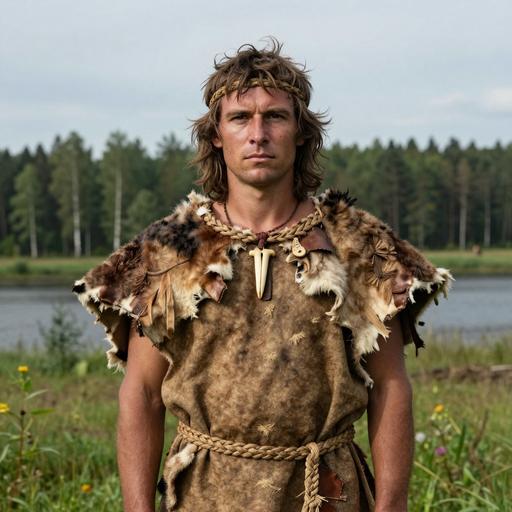
The era of Hunter-Gatherer Latvia is a fascinating period marked by the subsistence practices and cultural developments of European Hunter-Gatherers, who inhabited the Baltic region during the Mesolithic and Neolithic periods. This time frame spans approximately from 9000 BCE to 3000 BCE, covering a period of significant change in environmental conditions, technological advancements, and social organization.
Geography and Environment:
Hunter-Gatherer Latvia existed within a geographic context characterized by rich natural resources. Located on the eastern coast of the Baltic Sea, present-day Latvia features a varied landscape that includes dense forests, numerous lakes, rivers, and a long coastline. In the early Mesolithic period, after the last Ice Age, the region was increasingly covered by boreal forests, with a gradual development into mixed woodlands. This environment provided an abundance of game, including elk, deer, wild boar, and smaller mammals, as well as fish, fowl, and edible plants, which were critical to the subsistence economy of the time.
Subsistence and Economy:
The hunter-gatherers of Latvia exploited the rich natural resources around them. Their subsistence strategy was diverse and highly adaptive, relying primarily on hunting, fishing, and foraging. Seasonal movements were likely orchestrated around the availability of food, with communities following the migration patterns of game and the seasonal abundance of fish in rivers and coastal areas. Salmon, in particular, were a crucial resource in rivers, particularly during their spawning runs.
In addition to hunting and fishing, foraging for nuts, berries, and tubers was a significant aspect of their subsistence strategy. The forests provided hazelnuts, acorns, and a variety of berries, which were gathered and possibly stored to ensure food availability throughout different seasons.
Tools and Technology:
The technological repertoire of these hunter-gatherers was largely based on the local materials available, predominantly flint, bone, and antler. Flint knapping produced a variety of tools including blades, scrapers, and arrowheads, which were essential for hunting and processing animal hides. Bone and antler were utilized to craft tools like harpoons, fish hooks, and awls, showcasing a refined understanding of materials and their properties.
Ceramics began to appear late in the hunter-gatherer period, marking a significant technological advancement. These early pottery items were rudimentary but signify the beginning of changes in storage and food preparation practices.
Social Structure and Settlement Patterns:
The social structure of these communities was likely relatively egalitarian, typical of mobile hunter-gatherer groups. Social organization revolved around kinship and shared responsibilities related to food acquisition and distribution. The small, mobile bands were composed of extended family units and had a high degree of social flexibility.
Settlements were highly influenced by the environment, with sites often located near rivers, lakes, and coasts to take advantage of water resources and the associated biodiversity. Seasonal camps and occasionally more permanent settlements were established, evidenced by archaeological findings of dwellings, hearths, and storage pits.
Spiritual and Cultural Aspects:
The spiritual life of Hunter-Gatherer Latvia remains largely speculative, but it likely involved animistic beliefs, with the natural world being imbued with spiritual significance. Artifacts such as carved bone and decorated tools, along with burial sites, suggest the presence of symbolic thought and ritual practices.
Burial practices potentially included grave goods, which might signify beliefs in an afterlife or spiritual continuity. The care taken in burials indicates a deep respect for the deceased and hints at complex social and cultural identities.
Transition and Interaction:
Throughout this era, the transition to more permanent settlements and the beginning of agriculture signaled significant changes. Contact and trade with neighboring cultures, particularly as Neolithic farmers began moving into the region, introduced new technologies, crops, and domesticated animals. This interaction eventually led to the gradual transformation of the hunter-gatherer lifestyle, setting the stage for the Bronze Age cultures that followed.
In summary, Hunter-Gatherer Latvia represents a dynamic period in prehistory characterized by the adaptability of human societies to changing environments and the rich tapestry of cultural developments in one of Europe's northern landscapes. These communities laid important foundations for the region's later prehistoric developments and cultural heritage.