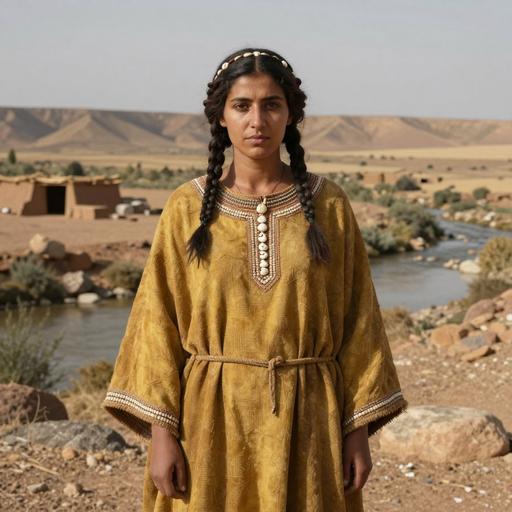
The Ifri n’Amr o’Moussa site, located in northeastern Morocco, provides crucial insights into the Early Neolithic era of the region, dating back to approximately 7600–5600 BCE. This period marks a significant transition for human societies in North Africa, as they moved from hunter-gatherer lifestyles to more settled, agrarian ones. The study of Ifri n’Amr o’Moussa and its related cultural practices sheds light on the broader Neolithic Revolution that swept across much of the world.
Geographic and Environmental Context
The site of Ifri n’Amr o’Moussa is situated in the Rif Mountains, which run parallel to the Mediterranean coast of northern Morocco. This region is characterized by a Mediterranean climate, with hot, dry summers and mild, wet winters. The environmental conditions during the Early Neolithic would have been favorable for both hunting and the early stages of agriculture. Rich in both flora and fauna, the landscape provided an abundance of resources for the communities residing there.
Archaeological Findings
Archaeological excavations at Ifri n’Amr o’Moussa have uncovered a wealth of artifacts that illustrate the daily life, technological advancements, and cultural practices of early Neolithic peoples in Morocco. Key findings include:
Lithic Tools: The presence of finely crafted stone tools, such as microliths and adzes, indicates a sophisticated understanding of tool-making techniques. These tools were essential for daily activities, including hunting, food processing, and woodworking.
Ceramics: One of the defining features of the Neolithic period is the introduction of pottery. At Ifri n’Amr o’Moussa, pottery shards reveal simple yet functional designs, often decorated with incised patterns. These ceramics were used for cooking, storage, and possibly even ritualistic purposes.
Animal Bones and Remains: The site has yielded numerous animal bones, suggesting a diet that included both wild game and domesticated animals. Early evidence of domestication practices includes the bones of sheep, goats, and cattle, indicating a shift towards pastoralism.
Botanical Remains: Archaeobotanical analysis has revealed the presence of domesticated plants, such as barley and wheat, alongside wild plant species. This mix is indicative of early agricultural experimentation and the gradual adoption of farming practices.
Cultural Practices and Societal Structure
The Early Neolithic communities of Ifri n’Amr o’Moussa likely lived in semi-sedentary settlements. The presence of storage pits and hearths suggests a communal lifestyle centered around shared resources and collective labor. The development of agriculture and animal husbandry would have allowed for more reliable food sources, leading to population growth and more complex social structures.
Ritual and symbolic practices are hinted at through artifacts such as beads and possibly ceremonial pottery. These items may have played a role in social cohesion and cultural identity, reflecting beliefs linked to fertility, nature, and ancestral reverence.
Trade and Interaction
The location of Ifri n’Amr o’Moussa near the Mediterranean suggests potential contact and trade with other Neolithic cultures across North Africa and beyond. This interaction would have facilitated the exchange of goods, ideas, and technologies, contributing to the cultural dynamism of the period.
Legacy and Transition
The Early Neolithic culture of Ifri n’Amr o’Moussa represents a foundation upon which later Moroccan civilizations were built. As the Neolithic era progressed, these communities became more adept at agriculture and animal husbandry, setting the stage for the development of larger, more complex societies in the region.
In conclusion, Ifri n’Amr o’Moussa offers invaluable insights into the transformative Early Neolithic period in Morocco. By examining the artifacts and ecological data from this site, researchers can better understand the adaptive strategies and cultural innovations of these early communities as they navigated a world in transition. Each discovery at the site helps to piece together the intricate puzzle of human history, illustrating the ingenuity and resilience of our ancestors in the face of changing environments and new challenges.