Menu
Currency
Main
Store
Blog

Loading Report

Preparing your ancestry journey

Connecting to ancient matches...

Preparing your report

Skip to main content
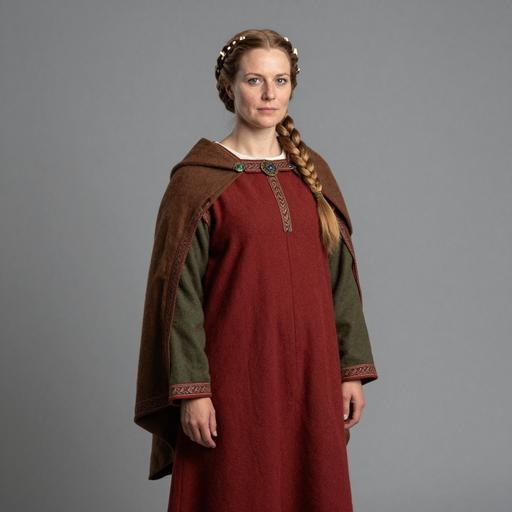
Portrait reconstruction of A woman buried in Germany in the Middle Ages era
Ancient Individual

A woman buried in Germany in the Middle Ages era

A woman buried in Germany during the Early Medieval Germany

A fragment of the ancient world, preserved across millennia in strands of DNA.

STR502b
546 CE - 640 CE
Female
Germany
Scroll to begin
Chapter I

Identity

The biological and cultural markers that define this ancient individual

Sample ID

STR502b

Date Range

546 CE - 640 CE

Cultural Period

Early Medieval Germany

Biological Sex

Female

mtDNA Haplogroup

U5b1b

Y-DNA Haplogroup

N/A (Female)

Chapter II

Place

Where this individual was discovered

Country Germany
Locality Bavaria. Straubing- Bajuwarenstraße
Coordinates 48.8900, 12.5700
Chapter III

Time

When this individual lived in the broader context of human history

STR502b 546 CE - 640 CE
Chapter IV

Story

The narrative of this ancient life

The Early Medieval period in what is now Germany spans roughly from the 5th to the 10th century, following the decline of the Roman Empire and preceding the High Middle Ages. This era was marked by significant cultural, political, and social transformations influenced by the migration of Germanic tribes, the spread of Christianity, and the foundation of political entities that would later contribute to the development of the Holy Roman Empire.

Cultural Overview

Germanic Tribes and Settlement: During the early medieval period, what is now Germany was inhabited by various Germanic tribes, such as the Franks, Saxons, Alemanni, Thuringians, and Bavarians. These groups played a crucial role in the shaping of early medieval Europe, both through their interactions with the remnants of Roman rule and the eventual political structures they formed. The tribes settled throughout the region, establishing villages and small scale communities that were mostly agrarian.

Social Structure: The social structure of early medieval Germanic society was hierarchical and clan-based, with a nobility that included kings or chieftains at its head. Below them were the freemen, who were typically warriors or landholders, and the non-free or serfs, bound to the land they worked. Society was patriarchal, although women could hold significant influence within certain aspects of domestic and economic life.

Language and Literature: The early medieval period in Germany saw the use of various Germanic languages, the most widespread of which was Old High German. Literature from this period, primarily oral, included epic poetry such as \The Song of Hildebrand," and was later transcribed by monks. Christianity's spread introduced Latin as both a liturgical and scholarly language, slowly combining with Germanic dialects to influence later literary traditions.

Art and Craftsmanship: Art in early medieval Germany is mostly represented by illuminated manuscripts, metalwork, and stone carvings. Religious and cultural influences from the Celtic and Roman worlds are evident in artistic creations. The Carolingian Renaissance, during the late 8th and 9th centuries, marked a revival of art and learning centered around the court of Charlemagne.

Political Developments

Roman Influence and Tribal Kingdoms: As the Western Roman Empire crumbled, Germanic tribes established their own kingdoms. Among these, the Merovingian dynasty of the Franks was especially significant. The Merovingians expanded their control through military conquest and strategic alliances across the former Roman territories.

The Carolingian Empire: The Frankish realm reached its zenith under the Carolingian dynasty, particularly with Charlemagne (Charles the Great), who was crowned Emperor in 800 AD by Pope Leo III. The Carolingian Empire spanned much of Western and Central Europe. Charlemagne's reign marked efforts to consolidate his power, standardize law, and promote Christianity and learning.

Feudal Systems: As centralized power waned post-Charlemagne, feudalism began to evolve, characterized by the granting of lands (fiefs) in exchange for military service. Local lords gained power, which fragmented central authority but also established a system of mutual obligations that helped stabilize regional governance.

Religious Influence

Christianization: Christian missionary activity was crucial in shaping early medieval German society. Figures like Saint Boniface played a pivotal role in converting the Germanic peoples from their pagan religions to Christianity, which became intertwined with the governance and cultural framework of the region.

Monastic Life: Monasteries became centers of spiritual life, cultural preservation, and learning. They played a crucial role in the Carolingian Renaissance and helped to preserve classical texts, provide education, and serve as administrative centers.

Church and State: The relationship between the Christian Church and political entities was deeply intertwined, with rulers using religious sanction to legitimize their authority and the Church leveraging political support to expand its influence.

Economic and Technological Aspects

Agriculture and Economy: Agrarian practices dominated the economy, with innovations such as the heavy plow and three-field system improving yields. The land was a central economic asset, and wealth generally derived from its control and cultivation.

Trade and Commerce: Throughout the early medieval period, trade networks began to revive, linking northern Europe to the broader Mediterranean and eastern trade routes. This included the exchange of goods like furs, slaves, textiles, and metalwork.

Urban Development: While most of the population lived in rural settings, towns began to emerge around castles, monasteries, and trade routes, laying the groundwork for future urbanization during the High Middle Ages.

In summary, Early Medieval Germany was a land of transformation, marked by a convergence of Germanic traditions, Roman legacies, and Christian influence. These centuries laid the foundational socio-political and cultural structures that would shape the trajectory of German and European history in the centuries to come."

Context

Related Samples

This individual exists within a broader network of ancient samples. No ancient genome stands alone.

Sample ID Culture/Period Date Location Action
Vim2b Medieval Gepidian Period, Serbia 525 CE Viminacium-Više Grobalja, Serbia View
Pr10 Early Sarmatian Culture, Russia 400 BCE Orenburg. Pokrovka cemetery, Russia View
Pr4 Early Sarmatian Culture, Russia 400 BCE Orenburg. Pokrovka cemetery, Russia View
Alh10 Early Medieval Germany 412 CE Bavaria. Altheim, Germany View
Alh1 Early Medieval Germany 250 CE Bavaria. Altheim, Germany View
FN2 Roman Period Germany 275 CE Bavaria. Munich. Freiham-Nord cemetery, Germany View
STR310 Early Medieval Germany 510 CE Bavaria. Straubing- Bajuwarenstraße, Germany View
STR355c Early Medieval Germany 510 CE Bavaria. Straubing- Bajuwarenstraße, Germany View
STR220c Early Medieval Germany 480 CE Bavaria. Straubing- Bajuwarenstraße, Germany View
Alh3a Early Medieval Germany 405 CE Bavaria. Altheim, Germany View
STR300b Early Medieval Germany 510 CE Bavaria. Straubing- Bajuwarenstraße, Germany View
STR486 Early Medieval Germany 460 CE Bavaria. Straubing- Bajuwarenstraße, Germany View
STR328c Early Medieval Germany 402 CE Bavaria. Straubing- Bajuwarenstraße, Germany View
STR228 Early Medieval Germany 418 CE Bavaria. Straubing- Bajuwarenstraße, Germany View
I0566 Early Medieval Germany 409 CE Bavaria. Burgweinting - Nord-West II, Germany View
STR316b Early Medieval Germany 480 CE Bavaria. Straubing- Bajuwarenstraße, Germany View
STR480 Early Medieval Germany 510 CE Bavaria. Straubing- Bajuwarenstraße, Germany View
I0564 Early Medieval Germany 422 CE Bavaria. Burgweinting - Nord-West II, Germany View
AED106 Early Medieval Germany 480 CE Bavaria. Altenerding- Klettham, Germany View
AED249 Early Medieval Germany 480 CE Bavaria. Altenerding- Klettham, Germany View
AED1108 Early Medieval Germany 420 CE Bavaria. Altenerding- Klettham, Germany View
STR535 Early Medieval Germany 409 CE Bavaria. Straubing- Bajuwarenstraße, Germany View
BIM33 Early Medieval Germany 413 CE Bavaria. Barbing-Irlmauth, Germany View
AED513 Early Medieval Germany 264 CE Bavaria. Altenerding- Klettham, Germany View
AED1135b Early Medieval Germany 480 CE Bavaria. Altenerding- Klettham, Germany View
AED204 Early Medieval Germany 480 CE Bavaria. Altenerding- Klettham, Germany View
BIM37b Early Medieval Germany 580 CE Bavaria. Barbing-Irlmauth, Germany View
STR248b Early Medieval Germany 530 CE Bavaria. Straubing- Bajuwarenstraße, Germany View
AEHIb Early Medieval Germany 383 CE Bavaria. Alteglofsheim, Germany View
AED432b Early Medieval Germany 480 CE Bavaria. Altenerding- Klettham, Germany View
STR393b Early Medieval Germany 460 CE Bavaria. Straubing- Bajuwarenstraße, Germany View
AED92b Early Medieval Germany 480 CE Bavaria. Altenerding- Klettham, Germany View
STR241 Early Medieval Germany 480 CE Bavaria. Straubing- Bajuwarenstraße, Germany View
AED1119 Early Medieval Germany 510 CE Bavaria. Altenerding- Klettham, Germany View
Alh2 Early Medieval Germany 260 CE Bavaria. Altheim, Germany View
STR502b Early Medieval Germany 546 CE Bavaria. Straubing- Bajuwarenstraße, Germany View
STR360c Early Medieval Germany 510 CE Bavaria. Straubing- Bajuwarenstraße, Germany View
STR266b Early Medieval Germany 510 CE Bavaria. Straubing- Bajuwarenstraße, Germany View
AED125b Early Medieval Germany 385 CE Bavaria. Altenerding- Klettham, Germany View
STR491 Early Medieval Germany 510 CE Bavaria. Straubing- Bajuwarenstraße, Germany View
Ker1 Pantikapaion, Crimea 255 CE Crimea. Kerch. Pantikapaion. Mithridates hill, Crimea View
NW255a Early Medieval Germany 422 CE Burgweinting - Nord-West II (Bavaria), Germany View
NW54 Early Medieval Germany 409 CE Burgweinting - Nord-West II (Bavaria), Germany View
I0564 422 CE Bavaria. Burgweinting - Nord-West II, Germany View
I0566 409 CE Bavaria. Burgweinting - Nord-West II, Germany View
AED106 480 CE Bavaria. Altenerding- Klettham, Germany View
AED1108 420 CE Bavaria. Altenerding- Klettham, Germany View
AED1119 510 CE Bavaria. Altenerding- Klettham, Germany View
AED1135b 480 CE Bavaria. Altenerding- Klettham, Germany View
AED125b 385 CE Bavaria. Altenerding- Klettham, Germany View
AED204 480 CE Bavaria. Altenerding- Klettham, Germany View
AED249 480 CE Bavaria. Altenerding- Klettham, Germany View
AED432b 480 CE Bavaria. Altenerding- Klettham, Germany View
AED513 264 CE Bavaria. Altenerding- Klettham, Germany View
AED92b 480 CE Bavaria. Altenerding- Klettham, Germany View
AEHIb 383 CE Bavaria. Alteglofsheim, Germany View
Alh10 412 CE Bavaria. Altheim, Germany View
Alh1 250 CE Bavaria. Altheim, Germany View
Alh2 260 CE Bavaria. Altheim, Germany View
Alh3a 405 CE Bavaria. Altheim, Germany View
BIM33 413 CE Bavaria. Barbing-Irlmauth, Germany View
BIM37b 580 CE Bavaria. Barbing-Irlmauth, Germany View
FN2 275 CE Bavaria. Munich. Freiham-Nord cemetery, Germany View
Ker1 255 CE Crimea. Kerch. Pantikapaion. Mithridates hill, Crimea View
Pr10 400 BCE Orenburg. Pokrovka cemetery, Russia View
Pr4 400 BCE Orenburg. Pokrovka cemetery, Russia View
STR220c 480 CE Bavaria. Straubing- Bajuwarenstraße, Germany View
STR228 418 CE Bavaria. Straubing- Bajuwarenstraße, Germany View
STR241 480 CE Bavaria. Straubing- Bajuwarenstraße, Germany View
STR248b 530 CE Bavaria. Straubing- Bajuwarenstraße, Germany View
STR266b 510 CE Bavaria. Straubing- Bajuwarenstraße, Germany View
STR300b 510 CE Bavaria. Straubing- Bajuwarenstraße, Germany View
STR310 510 CE Bavaria. Straubing- Bajuwarenstraße, Germany View
STR316b 480 CE Bavaria. Straubing- Bajuwarenstraße, Germany View
STR328c 402 CE Bavaria. Straubing- Bajuwarenstraße, Germany View
STR355c 510 CE Bavaria. Straubing- Bajuwarenstraße, Germany View
STR360c 510 CE Bavaria. Straubing- Bajuwarenstraße, Germany View
STR393b 460 CE Bavaria. Straubing- Bajuwarenstraße, Germany View
STR480 510 CE Bavaria. Straubing- Bajuwarenstraße, Germany View
STR486 460 CE Bavaria. Straubing- Bajuwarenstraße, Germany View
STR491 510 CE Bavaria. Straubing- Bajuwarenstraße, Germany View
STR502b 546 CE Bavaria. Straubing- Bajuwarenstraße, Germany View
STR535 409 CE Bavaria. Straubing- Bajuwarenstraße, Germany View
Vim2b 525 CE Viminacium-Više Grobalja, Serbia View
Sample ID Culture/Period Date Location Action
Alh10 Early Medieval Germany 412 CE Bavaria. Altheim, Germany View
Alh1 Early Medieval Germany 250 CE Bavaria. Altheim, Germany View
STR310 Early Medieval Germany 510 CE Bavaria. Straubing- Bajuwarenstraße, Germany View
STR355c Early Medieval Germany 510 CE Bavaria. Straubing- Bajuwarenstraße, Germany View
STR220c Early Medieval Germany 480 CE Bavaria. Straubing- Bajuwarenstraße, Germany View
Alh3a Early Medieval Germany 405 CE Bavaria. Altheim, Germany View
STR300b Early Medieval Germany 510 CE Bavaria. Straubing- Bajuwarenstraße, Germany View
STR486 Early Medieval Germany 460 CE Bavaria. Straubing- Bajuwarenstraße, Germany View
STR328c Early Medieval Germany 402 CE Bavaria. Straubing- Bajuwarenstraße, Germany View
STR228 Early Medieval Germany 418 CE Bavaria. Straubing- Bajuwarenstraße, Germany View
I0566 Early Medieval Germany 409 CE Bavaria. Burgweinting - Nord-West II, Germany View
STR316b Early Medieval Germany 480 CE Bavaria. Straubing- Bajuwarenstraße, Germany View
STR480 Early Medieval Germany 510 CE Bavaria. Straubing- Bajuwarenstraße, Germany View
I0564 Early Medieval Germany 422 CE Bavaria. Burgweinting - Nord-West II, Germany View
AED106 Early Medieval Germany 480 CE Bavaria. Altenerding- Klettham, Germany View
AED249 Early Medieval Germany 480 CE Bavaria. Altenerding- Klettham, Germany View
AED1108 Early Medieval Germany 420 CE Bavaria. Altenerding- Klettham, Germany View
STR535 Early Medieval Germany 409 CE Bavaria. Straubing- Bajuwarenstraße, Germany View
BIM33 Early Medieval Germany 413 CE Bavaria. Barbing-Irlmauth, Germany View
AED513 Early Medieval Germany 264 CE Bavaria. Altenerding- Klettham, Germany View
AED1135b Early Medieval Germany 480 CE Bavaria. Altenerding- Klettham, Germany View
AED204 Early Medieval Germany 480 CE Bavaria. Altenerding- Klettham, Germany View
BIM37b Early Medieval Germany 580 CE Bavaria. Barbing-Irlmauth, Germany View
STR248b Early Medieval Germany 530 CE Bavaria. Straubing- Bajuwarenstraße, Germany View
AEHIb Early Medieval Germany 383 CE Bavaria. Alteglofsheim, Germany View
AED432b Early Medieval Germany 480 CE Bavaria. Altenerding- Klettham, Germany View
STR393b Early Medieval Germany 460 CE Bavaria. Straubing- Bajuwarenstraße, Germany View
AED92b Early Medieval Germany 480 CE Bavaria. Altenerding- Klettham, Germany View
STR241 Early Medieval Germany 480 CE Bavaria. Straubing- Bajuwarenstraße, Germany View
AED1119 Early Medieval Germany 510 CE Bavaria. Altenerding- Klettham, Germany View
Alh2 Early Medieval Germany 260 CE Bavaria. Altheim, Germany View
STR502b Early Medieval Germany 546 CE Bavaria. Straubing- Bajuwarenstraße, Germany View
STR360c Early Medieval Germany 510 CE Bavaria. Straubing- Bajuwarenstraße, Germany View
STR266b Early Medieval Germany 510 CE Bavaria. Straubing- Bajuwarenstraße, Germany View
AED125b Early Medieval Germany 385 CE Bavaria. Altenerding- Klettham, Germany View
STR491 Early Medieval Germany 510 CE Bavaria. Straubing- Bajuwarenstraße, Germany View
NW255a Early Medieval Germany 422 CE Burgweinting - Nord-West II (Bavaria), Germany View
NW54 Early Medieval Germany 409 CE Burgweinting - Nord-West II (Bavaria), Germany View
Sources

References

Scientific publications and genetic data that inform this profile.

Scientific Publication

Population genomic analysis of elongated skulls reveals extensive female-biased immigration in Early Medieval Bavaria

Authors Veeramah KR, Rott A, Groß M, van Dorp L, López S et al.
Abstract

Modern European genetic structure demonstrates strong correlations with geography, while genetic analysis of prehistoric humans has indicated at least two major waves of immigration from outside the continent during periods of cultural change. However, population-level genome data that could shed light on the demographic processes occurring during the intervening periods have been absent. Therefore, we generated genomic data from 41 individuals dating mostly to the late 5th/early 6th century AD from present-day Bavaria in southern Germany, including 11 whole genomes (mean depth 5.56×). In addition we developed a capture array to sequence neutral regions spanning a total of 5 Mb and 486 functional polymorphic sites to high depth (mean 72×) in all individuals. Our data indicate that while men generally had ancestry that closely resembles modern northern and central Europeans, women exhibit a very high genetic heterogeneity; this includes signals of genetic ancestry ranging from western Europe to East Asia. Particularly striking are women with artificial skull deformations; the analysis of their collective genetic ancestry suggests an origin in southeastern Europe. In addition, functional variants indicate that they also differed in visible characteristics. This example of female-biased migration indicates that complex demographic processes during the Early Medieval period may have contributed in an unexpected way to shape the modern European genetic landscape. Examination of the panel of functional loci also revealed that many alleles associated with recent positive selection were already at modern-like frequencies in European populations ∼1,500 years ago.

Use code for 25% off Expires Jul 12