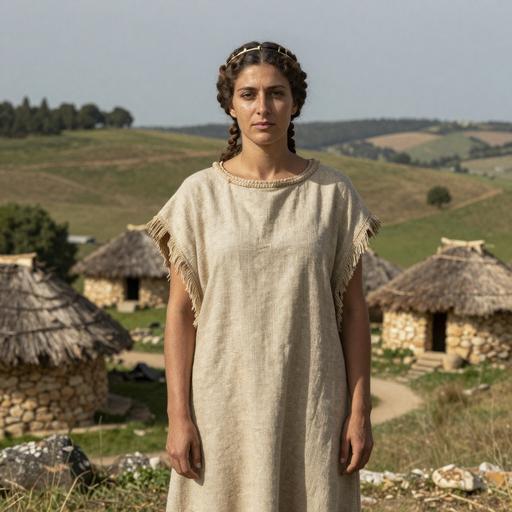
The Middle Bronze Age in Portugal is a fascinating and transformative era situated within the broader cultural framework of the Atlantic Bronze Age, approximately dated from 1800 to 1100 BCE. This period marked significant developments in social organization, technology, and trade within the region now known as Portugal, situated on the Iberian Peninsula.
Geographic and Environmental Context
Portugal during this time was characterized by a diverse range of landscapes, from the rugged Atlantic coastline to the fertile river valleys and the expansive interior plains. The Atlantic Ocean played a crucial role in shaping the climate, which was generally temperate but varied across different regions. The natural environment provided resources such as timber, metals, and agricultural opportunities, which heavily influenced the lifestyle and economy of Middle Bronze Age societies.
Cultural and Social Structures
The societies in Middle Bronze Age Portugal were primarily organized into small, tribal communities that occupied fortified settlements known as castros. These settlements were strategically located on hilltops or other defensible positions and often surrounded by walls and ditches for protection. The social structure was predominantly tribal, with kinship playing a crucial role in the organization of societies. The influence of local chieftains and a warrior aristocracy suggests a hierarchical society with emerging social stratification.
Economy and Subsistence
The economy during this period was based on a combination of agriculture, animal husbandry, fishing, and gathering. The fertile river valleys supported the cultivation of crops such as barley, wheat, and legumes, while pastoral activities included the herding of sheep, goats, and cattle. The proximity to the Atlantic Ocean and numerous rivers facilitated fishing and trade, contributing to a diverse subsistence economy.
Metalworking, particularly the production of bronze tools and weapons, was a hallmark of this era. The presence of native copper and tin resources in the Iberian Peninsula allowed for the local production of bronze, an alloy of copper and tin. This technological advancement facilitated the emergence of specialized crafts and trade networks, as bronze items became a crucial component of both daily life and military endeavors.
Trade and Interaction
Middle Bronze Age Portugal was part of a broader network of trade and cultural exchange that stretched across the Atlantic seaboard, incorporating regions as far north as the British Isles and as far south as North Africa. The Atlantic Bronze Age is characterized by extensive maritime trade, facilitated by advances in seafaring technology. Trade items likely included metals, pottery, textiles, salt, and possibly amber, alongside the exchange of cultural practices and technological knowledge.
The exchange with neighboring regions contributed to the cultural syncretism observed in archaeological findings, such as the adoption of new pottery styles and burial practices. This suggests that Middle Bronze Age communities were not isolated, but rather dynamic participants in a broader Atlantic cultural sphere.
Religion and Rituals
Religious beliefs during the Middle Bronze Age in Portugal were likely animistic and polytheistic, centered around natural elements and possibly ancestor worship. The archaeological record, though limited, points to the construction of megalithic structures and stone monuments, which were possibly used for ceremonial purposes. These structures reflect a continuity from the previous Neolithic and Chalcolithic periods, indicating deeply rooted spiritual traditions.
Burial practices varied, with evidence of both individual and collective burials, often accompanied by grave goods such as pottery, jewelry, and weapons. These practices provide insight into the beliefs surrounding death and the afterlife, highlighting the importance of the deceased in maintaining social cohesion and continuity.
Technological and Artistic Developments
The technological landscape of Middle Bronze Age Portugal was marked by the widespread use of bronze tools and weapons, including swords, axes, and spearheads. The production of these items required sophisticated knowledge of metallurgy and craftsmanship, which spurred the development of specialized labor.
Artistic expression is evident in the pottery, metalwork, and personal adornments from this period. Pottery styles exhibit regional variation and innovation in form and decoration, while metal objects such as fibulae, torcs, and armlets display aesthetic sophistication and technical skill.
Legacy and Influence
The Middle Bronze Age in Portugal laid the foundations for subsequent cultural developments during the Late Bronze Age and the early Iron Age. The advances in metallurgy, trade networks, and social organization established during this era had a lasting impact on the cultural evolution of the region.
In summary, the Middle Bronze Age in Portugal represents a period of dynamic change and cultural integration within the Atlantic Bronze Age. The interplay of local resources, technological innovation, and external influences shaped a distinctive and resilient culture that contributed significantly to the historical trajectory of the Iberian Peninsula.