Mesolithic
12,000 BCE to 7,000 BCE
Early hunter-gatherer communities.
Explore this period
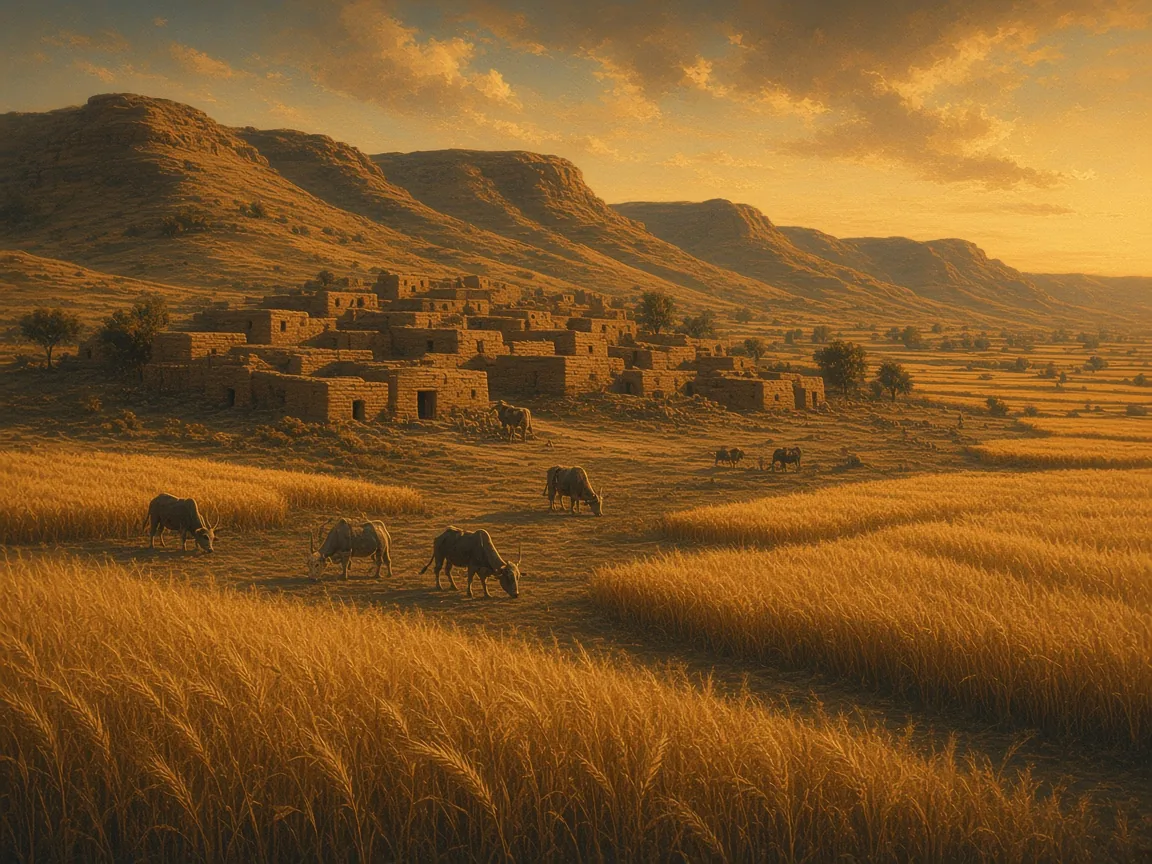
The Mesolithic in Tajikistan (c. 12000–6000 BCE) records long-term hunter-gatherer strategies developed in a landscape of valleys, foothills, and mountains. As climates shifted after the late Pleistocene, subsistence choices and movement patterns responded to changing water, vegetation, and animal availability.
Region & Environment
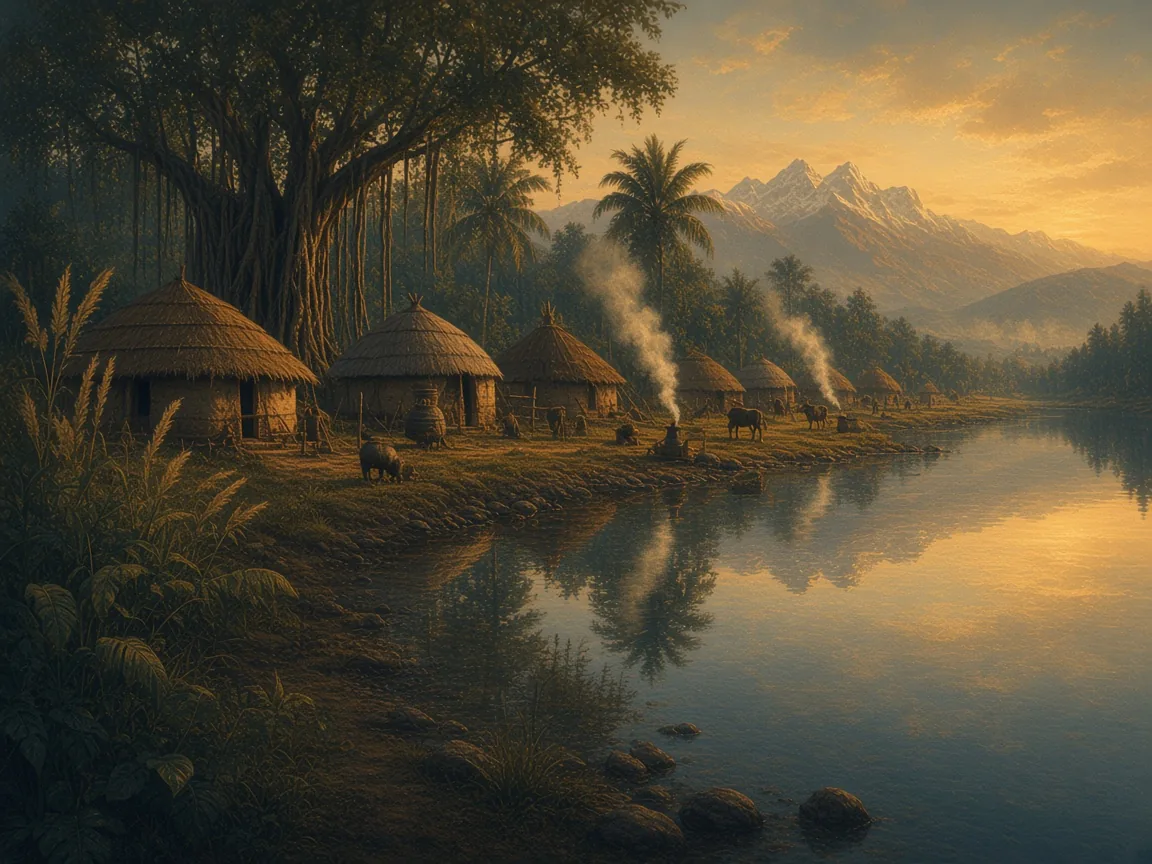
Tajikistan’s varied topography—from river valleys to highland terrain—created multiple ecological zones within relatively short distances. Post-glacial environmental changes affected the distribution of plants and animals, influencing where people could reliably forage. River corridors and seasonal access to uplands likely structured settlement and travel.
Historical Context
This period predates the widespread emergence of agricultural lifeways in the region and is therefore best understood through adaptations of foraging economies. During these millennia, communities responded to shifting climates and resource patterns rather than to settled, field-based agriculture. Over time, the accumulating record of lithic tool traditions and site use provides a framework for regional Mesolithic variability.
Populations & Lifeways
Populations were primarily mobile hunter-gatherers. Daily life revolved around hunting, fishing when available, gathering plant foods, and using the landscape seasonally. Technologies for cutting, scraping, and producing points and other implements supported flexible diets. Social organization is not directly reconstructable from archaeology alone, but repeated site use suggests planning and knowledge of local resources.
Archaeology & Material Culture
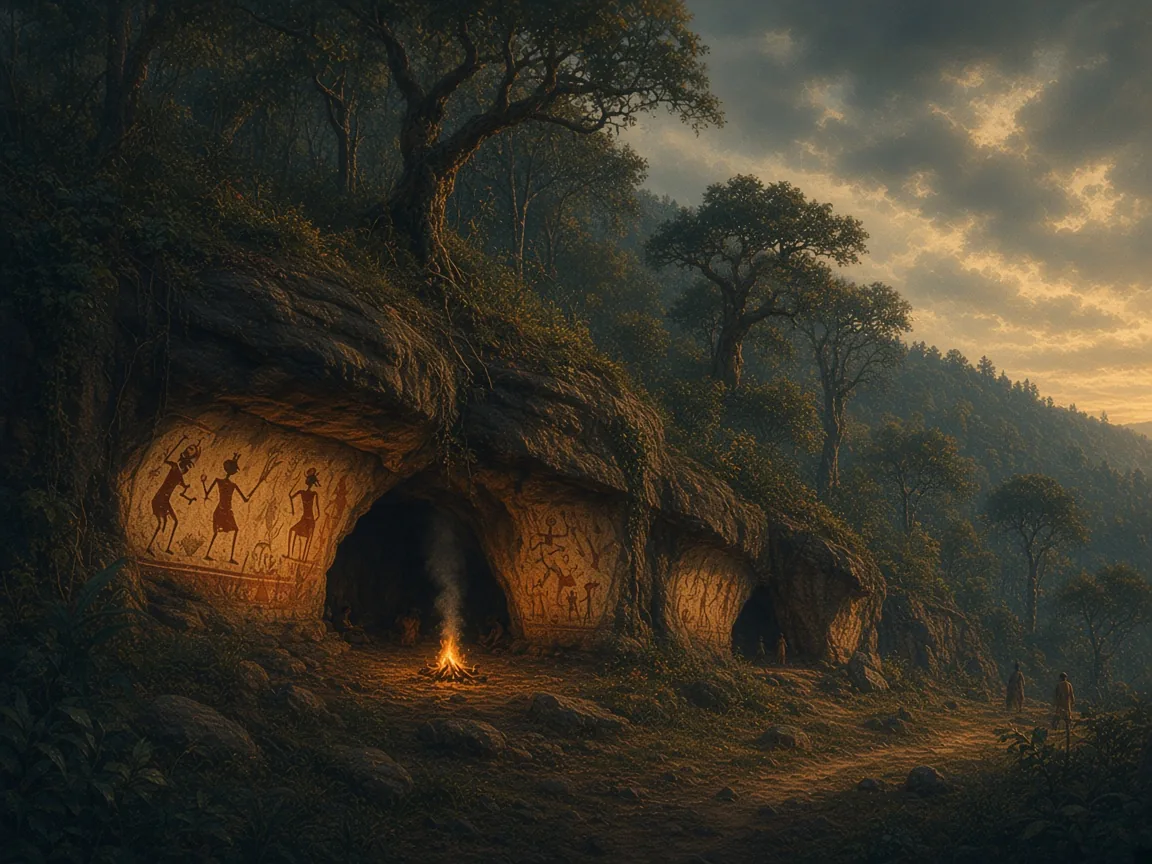
Mesolithic material culture in Tajikistan is typically dominated by stone tool industries. Assemblages may include backed pieces, points, scrapers, and other flaked-stone implements, reflecting hunting and processing tasks. Site evidence such as hearths, knapping areas, and discard deposits—where preserved—helps document on-site activities and how toolkits were produced and maintained.
Culture & Society
Cultural patterns in this era are primarily visible in shared technological approaches—how stone was shaped and how tool types were selected for particular tasks. Regional differences in assemblages can indicate different local traditions or responses to environmental variation. Social connections are inferred cautiously through similarity of tool technologies across areas, though direct proof of interaction is rarely available for such early periods.
Legacy & Transition
The Mesolithic of Tajikistan contributes to the longer trajectory toward later prehistoric economies in Central Asia. Over the subsequent millennia, some regions saw increasing investment in cultivation, herding, and more settled practices. The Mesolithic record preserves the technological and landscape knowledge that later groups could draw upon, even as subsistence strategies changed.