Menu
Currency
Store
Blog
Çinamak Iron Age Echoes
Albania_IA Northeastern Albania (Kukës District)

Çinamak Iron Age Echoes

A solitary genome from northeastern Albania illuminates Iron Age life and ancestry

658 CE - 403 BCE
1 Ancient Samples
Scroll to begin
Chapter I

The Story

Understanding the Çinamak Iron Age Echoes culture

Archaeological evidence from Çinamak (Kukës District) and one ancient genome dated 658–403 BCE offer a tentative window into Iron Age Albania. Limited DNA data (mtDNA H+) hints at broad European maternal links; conclusions remain preliminary pending more samples.

Time Period

658–403 BCE

Region

Northeastern Albania (Kukës District)

Common Y-DNA

Unknown (no Y data; n=1)

Common mtDNA

H+ (n=1)

Chapter II

Timeline

Key moments in the history of this culture

600 BCE

Çinamak burial (dated)

A human burial at Çinamak in Kukës District dated between 658–403 BCE provides the single ancient genome for Albania_IA.

Chapter III

Origins & Emergence

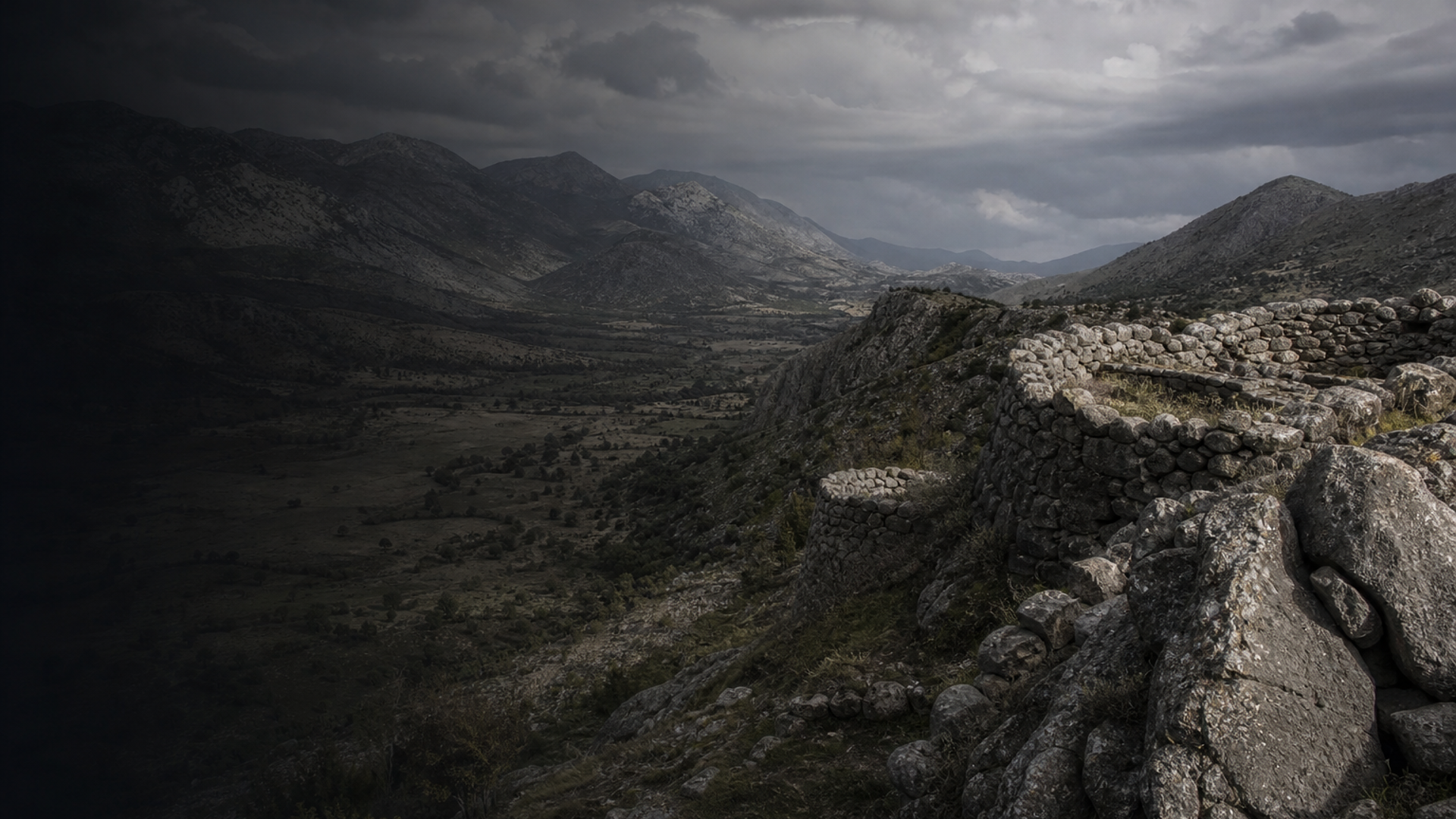
The Çinamak individual comes from a landscape of upland valleys and river corridors where Iron Age communities in what is now northeastern Albania negotiated mobility, trade, and cultural exchange. Archaeological data indicates occupation in the broader Kukës District during the later first millennium BCE, a period often associated in scholarship with local Illyrian groups and the complex mosaic of Balkan Iron Age societies. The Çinamak burial sits chronologically between 658 and 403 BCE, a time when material culture—pottery forms, metalwork, and settlement patterns—shows both continuity with Bronze Age traditions and openness to wider Mediterranean and Balkan influences.

Limited evidence suggests regional communities exploited mountain pastures and controlled riverine routes that linked the Adriatic coast with inland highlands. At present, Çinamak is one point in a sparse archaeological map: settlement traces, isolated burials, and surface finds provide glimpses but not a continuous narrative. The single genomic sample must therefore be read as a voice in a chorus we have yet to fully hear. Archaeology frames possible social networks and exchange; the genome offers a tentative maternal lineage marker that can be overlaid onto these cultural contours to suggest patterns of connection rather than definitive population histories.

  • Çinamak burial dated 658–403 BCE in Kukës District
  • Site reflects Iron Age Albania's mix of local traditions and external contacts
  • Evidence is fragmentary—broader patterns require more sites and samples
Chapter IV

Daily Life & Society

Archaeological remains from the Iron Age in northern Albania point to communities organized around mixed agro-pastoral economies. People likely practiced seasonal herding in upland pastures, supplemented by cultivation of cereals and legumes in sheltered valley plots. Material culture—handmade and wheel-thrown pottery, iron tools, and locally worked personal ornaments—speaks to households skilled in craft and adaptive to mountainous environments.


Burial practices across the region vary, but isolated interments like the Çinamak individual indicate individualized funerary treatment rather than monumental tomb-building common elsewhere in the Mediterranean. Such burials can reflect kin-based social units with mobility tied to pastoral circuits and local exchange networks. Archaeological data indicates interaction along river valleys that would have channeled goods, ideas, and people, creating a dynamic social landscape where local identity and external influences coexisted.

  • Economy: mixed agro-pastoralism with seasonal mobility
  • Material culture: pottery, iron tools, and personal ornaments indicate local craft traditions
Chapter V

Genetic Profile

Genetic data for Albania_IA is extremely limited: a single sampled individual from Çinamak (dated 658–403 BCE) carries mitochondrial haplogroup H+. Haplogroup H is widespread in modern and ancient Europe and is commonly interpreted as a broad marker of maternal ancestry rather than a precise lineage tie to any single cultural group. The absence of reported Y-chromosome data for this individual means paternal lineages remain unknown.

Because the sample count is one (well below the ten-sample threshold where population inferences gain stability), any genetic interpretation must be cautious. Archaeological context allows us to pair material evidence of local Iron Age lifeways with a maternal marker that is compatible with nearby ancient European populations, but does not establish unique continuity or migration. Future sampling across multiple sites in Kukës District and neighboring regions could reveal whether H-lineages were common locally, whether additional maternal and paternal lineages were present, and how genetic profiles correlate with archaeological diversity. Until then, this genome serves as a preliminary data point connecting Çinamak’s archaeology to the broader tapestry of ancient European maternal ancestry.

  • Single individual carries mtDNA H+; H is common across ancient and modern Europe
  • No Y-DNA available; sample size (n=1) makes population conclusions preliminary
Chapter VI

Legacy & Modern Connections

Çinamak’s lone genome acts as a cautious bridge between past and present. Archaeological continuity in settlement locations and the persistence of certain material practices suggest cultural threads that may extend into later historical periods in Albania. Genetically, the presence of mtDNA H+ aligns with a broad European maternal heritage found in many modern populations of the Balkans, but such overlap does not equate to direct or exclusive descent.

Limited genetic sampling means that claims about demographic continuity or replacement cannot be substantiated. Instead, the Cina­mak evidence invites targeted future research: additional ancient DNA from nearby Iron Age sites, combined with careful archaeological comparison, can clarify how local communities fitted into regional networks. For museum and public interpretation, Çinamak is best presented as an evocative, provisional glimpse of Iron Age life in northeastern Albania—one that underscores both connection and the need for more data.

  • mtDNA H+ links the individual to a widespread European maternal lineage, but is not diagnostic
  • Broader demographic and cultural connections require more archaeological and genetic sampling
Chapter VII

Sample Catalog

1 ancient DNA samples associated with the Çinamak Iron Age Echoes culture

Ancient DNA samples from this era, providing genetic insights into the people who lived during this period.

1 / 1 samples
Portrait Sample Country Era Date Culture Sex Y-DNA mtDNA
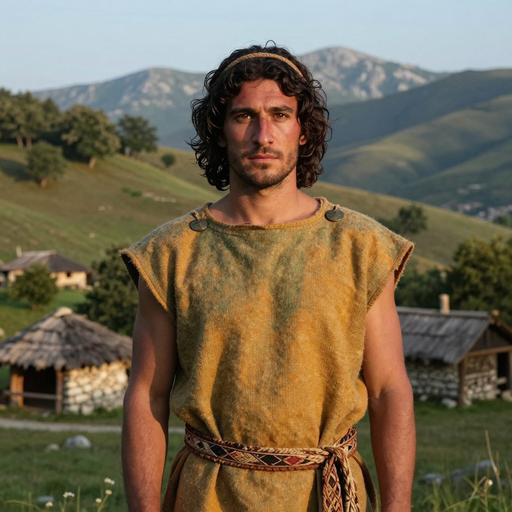
Portrait of ancient individual I16253 from Albania, dated 658 BCE
I16253
Albania Albania_IA 658 BCE Illyrian M - H+152
AI Powered

AI Assistant

Ask questions about the Çinamak Iron Age Echoes culture

AI Assistant by DNAGENICS

Unlock this feature
Ask questions about the Çinamak Iron Age Echoes culture. Our AI assistant can explain genetic findings, historical context, archaeological evidence, and modern connections.
Sample AI Analysis

The Çinamak Iron Age Echoes culture represents a fascinating chapter in human history...

Genetic analysis reveals connections to earlier populations while showing evidence of unique adaptations and cultural innovations. The ancient DNA samples provide insights into migration patterns, social structures, and the biological relationships between ancient populations.

This is a preview of the AI analysis. Unlock the full AI Assistant to explore detailed insights about:

  • Genetic composition and ancestry
  • Migration patterns and origins
  • Daily life and cultural practices
  • Modern genetic legacy
Use code for 30% off Expires May 31