Menu
Store
Blog
Turkey_EBA Anatolia (modern Turkey)

Anatolian Civilizations

People of ancient Anatolia, where archaeology and DNA illuminate Bronze‑to‑Iron Age life

3340 CE - 100 BCE
27 Ancient Samples
Scroll to begin
Chapter I

The Story

Understanding the Anatolian Civilizations culture

Archaeological remains and 64 ancient genomes from 3340–100 BCE across Anatolia reveal complex continuity and regional variation. Sites from Gordion to Kuriki Höyük show material culture, trade, and genetic signals—mtDNA diversity (H, U, K, J, T) and Y‑DNA J—that link local population histories to broader Near Eastern networks.

Time Period

3340–100 BCE

Region

Anatolia (modern Turkey)

Common Y-DNA

J (observed)

Common mtDNA

H, U, K, J, T (observed)

Chapter II

Timeline

Key moments in the history of this culture

3340 BCE

Early Bronze Age beginnings

First layers in the dataset date to the early urbanizing phases of Anatolia, with fortified tells and emerging craft specialization.

1600 BCE

Middle Bronze Age consolidation

Some sites show expansion and administrative complexity consistent with regional polities and increased long‑distance exchange.

100 BCE

Late dataset horizon

Samples approach the Iron Age/late antique transition, documenting continued genetic and cultural links across Anatolia.

Chapter III

Origins & Emergence

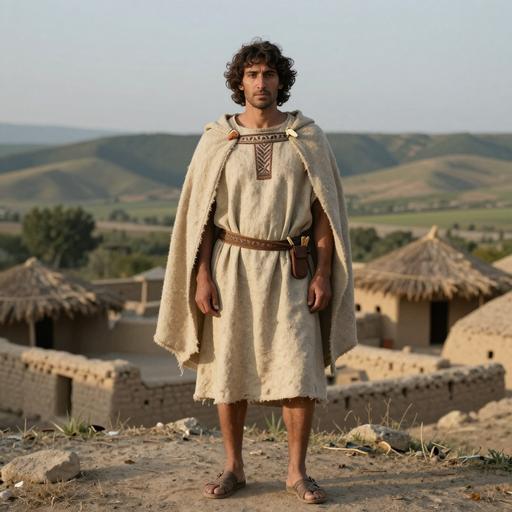
The long arc of Anatolian Civilizations unfolds across the high plateaus and river valleys of what is now Turkey. From 3340 BCE, archaeological layers preserve fortified tells, burial mounds, and workshop complexes at sites such as Gordion (Central Anatolia), Kuriki Höyük (Batman), and Çavuştepe (Van). Material evidence—mudbrick architecture, wheel‑thrown pottery, bronze metallurgy, and exchange goods—documents a mosaic of local traditions integrated by long‑distance trade.

Archaeological data indicates that by the Early Bronze Age (circa 3000–2000 BCE) many communities were already participating in regional networks that stretched into the Levant and the Caucasus. Limited evidence suggests cultural continuity in settlement locations into the Middle Bronze and Old Hittite periods, but local trajectories diverge: some centers expand into regional capitals, while others contract or are abandoned.

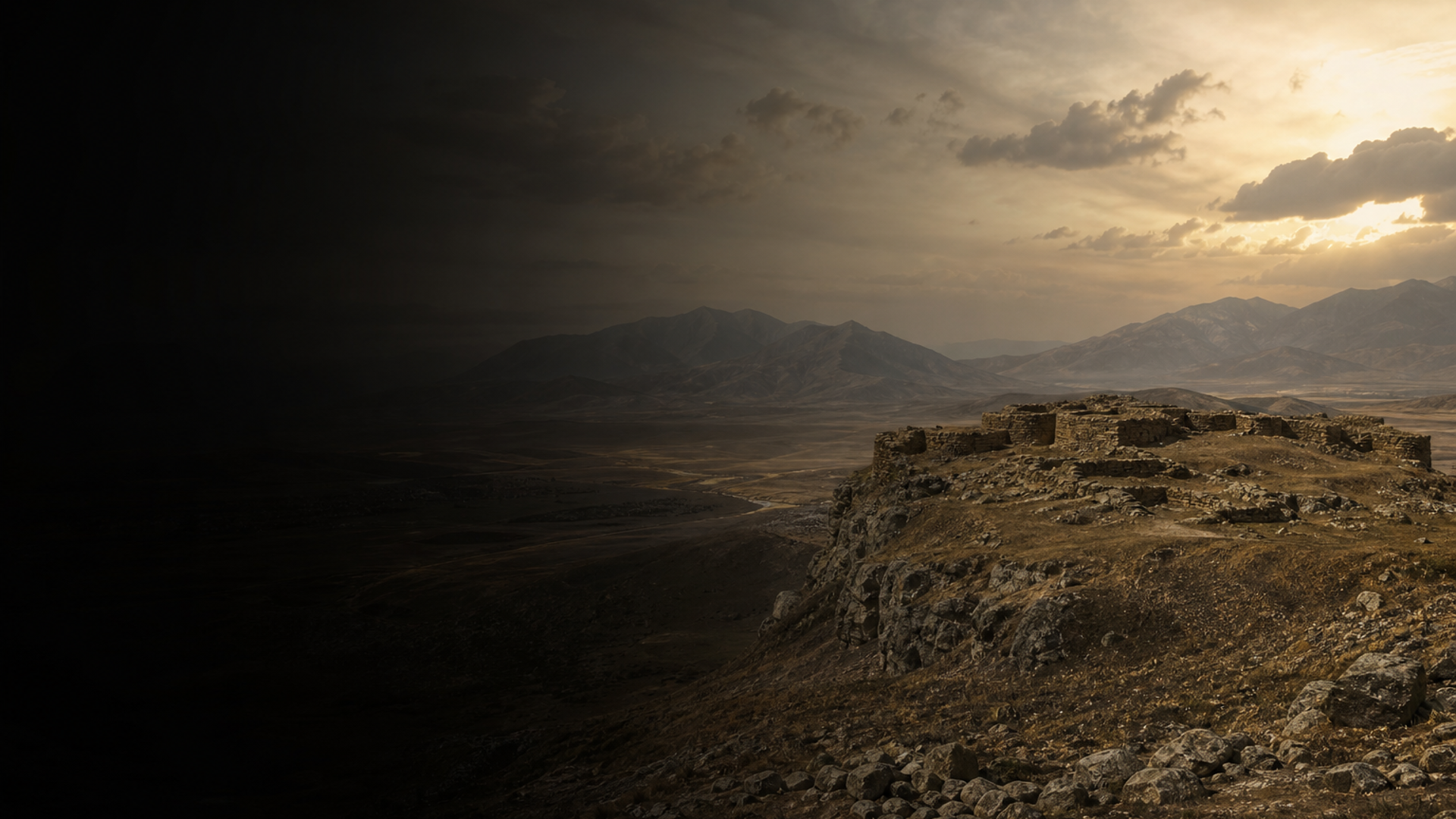
Seen cinematically, Anatolia here is not a single story but a palimpsest of communities—hilltop citadels, riverside villages, and caravan‑way waystations—each leaving traces in pottery shards, foundations, and tombs. Genetic sampling over this long timeframe enables us to test archaeological narratives of migration, continuity, and exchange, adding biological dimensions to artifacts and architecture.

  • Sites span Anatolia: Gordion, Kuriki Höyük, Tilbe ar Höyük, Oylum Höyük, Çavuştepe, and others
  • Material culture shows early urbanizing trends and long‑distance exchange
  • Regional variation increases from Early to Middle Bronze Age; continuity into Iron Age is site‑dependent
Chapter IV

Daily Life & Society

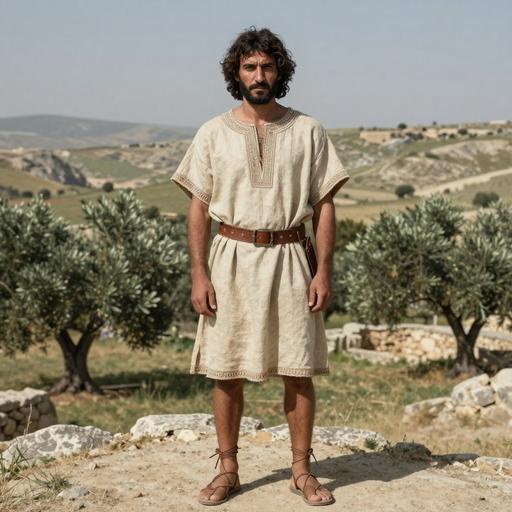
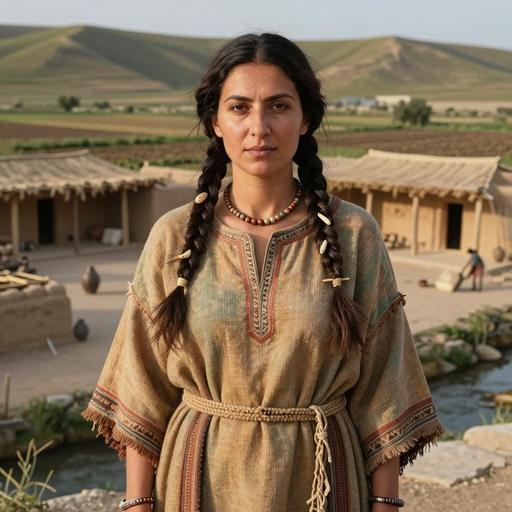
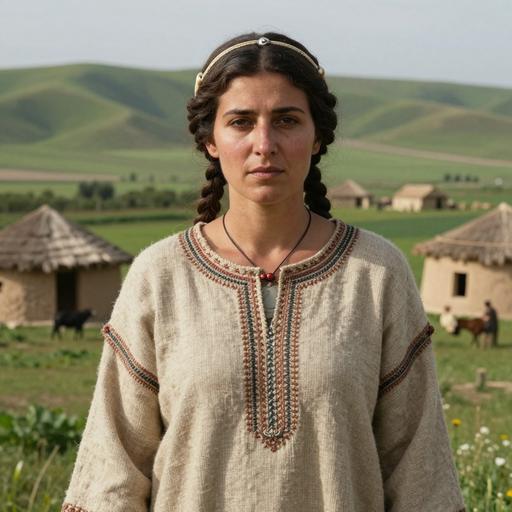
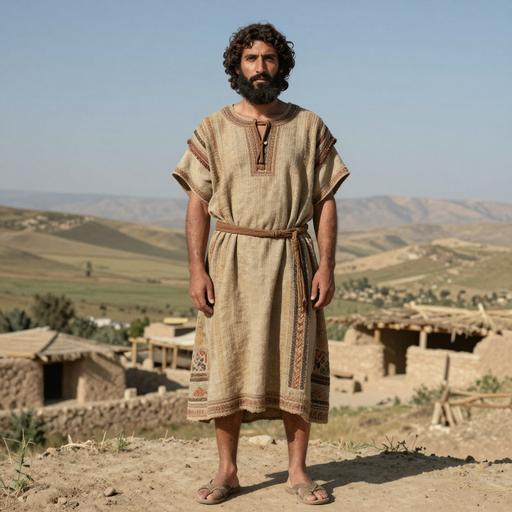
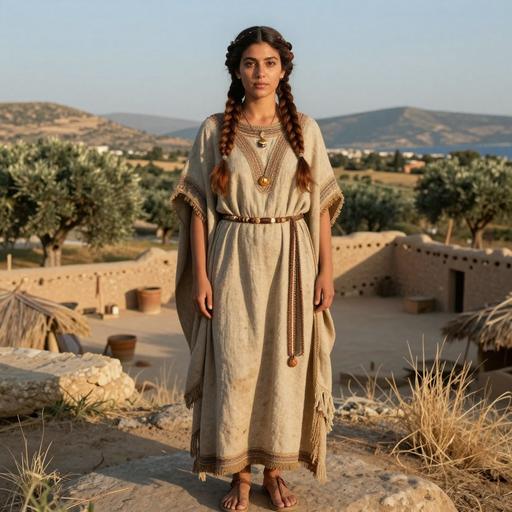
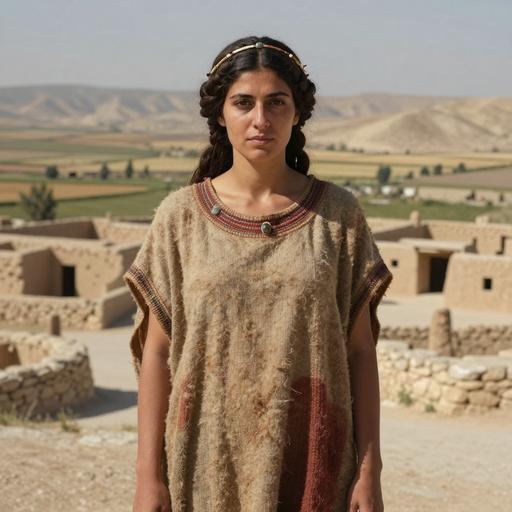
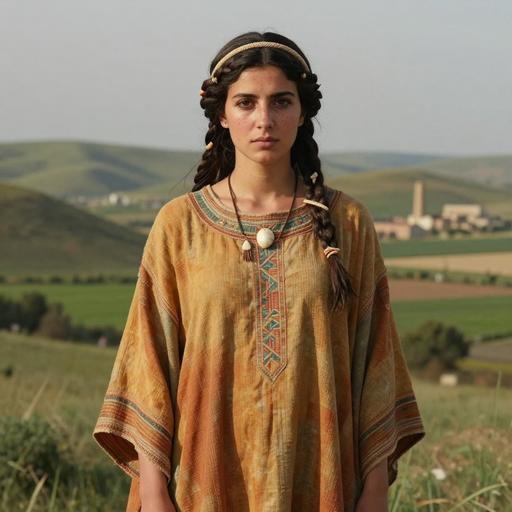
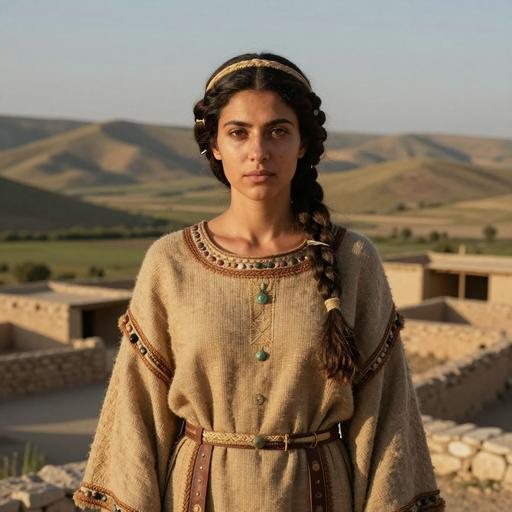
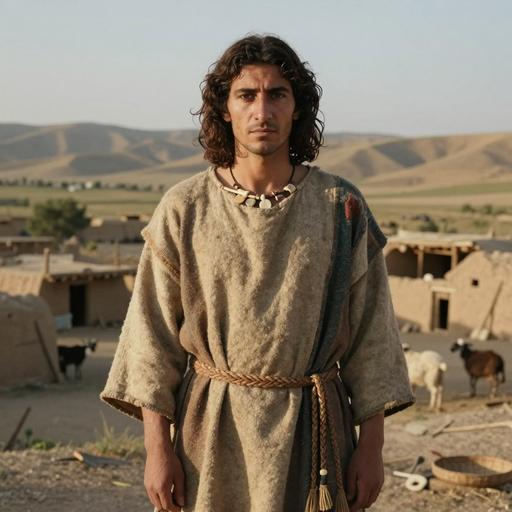
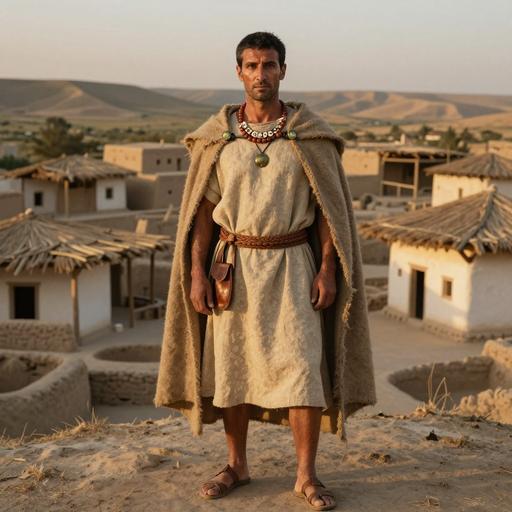
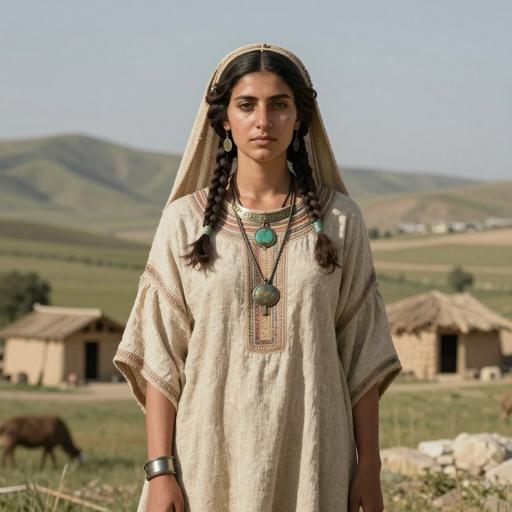
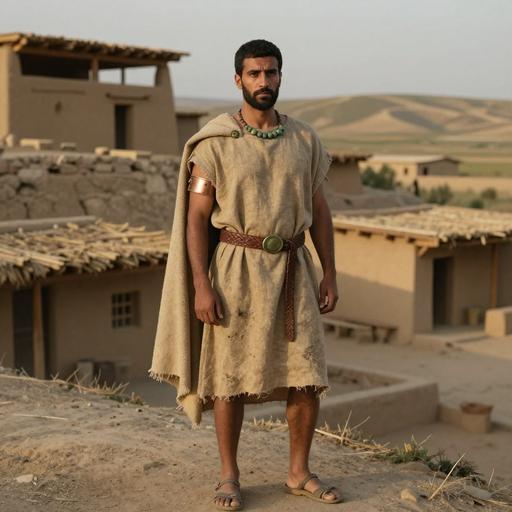
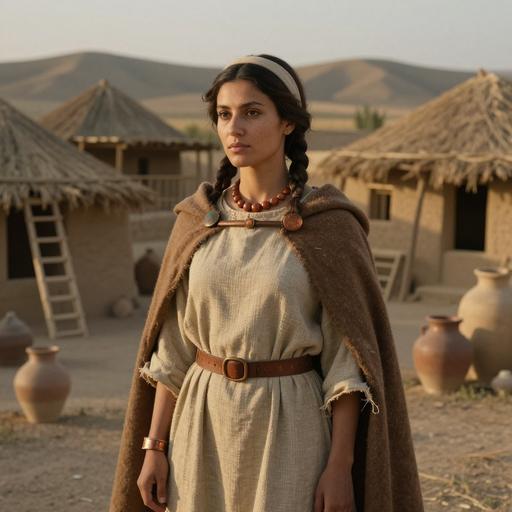
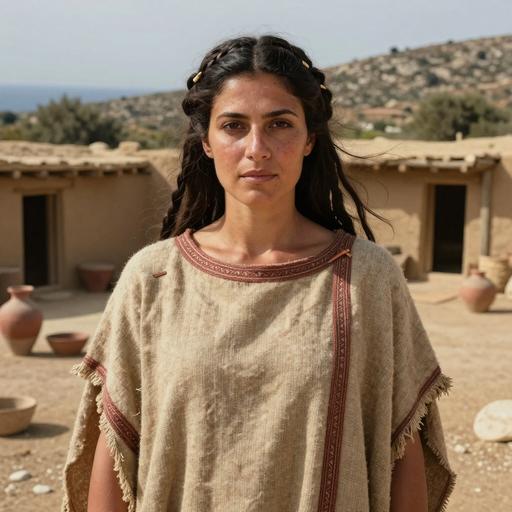
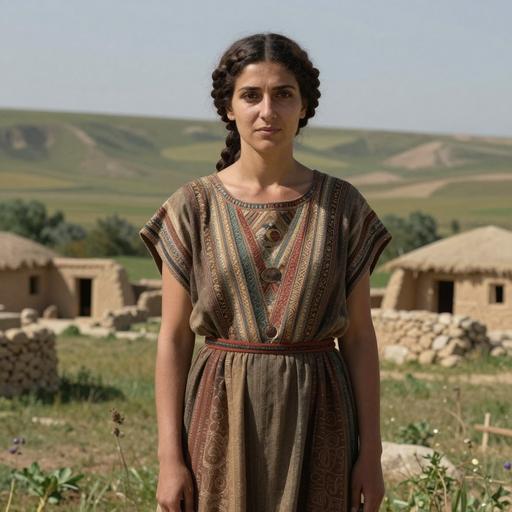
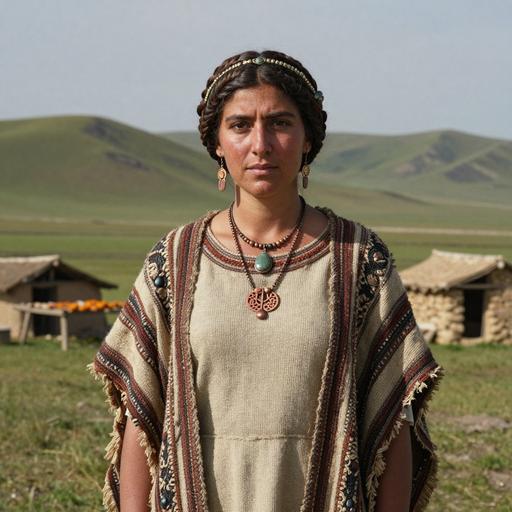
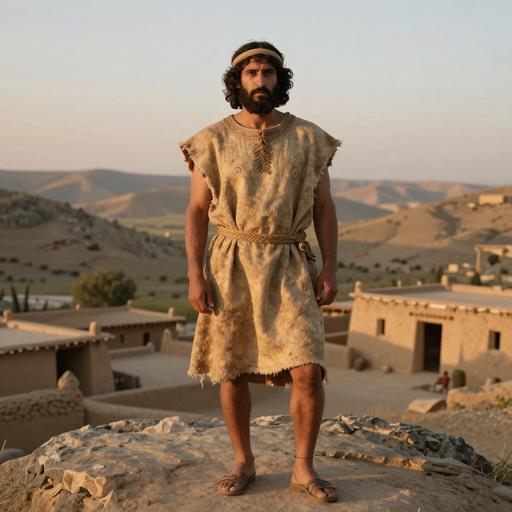
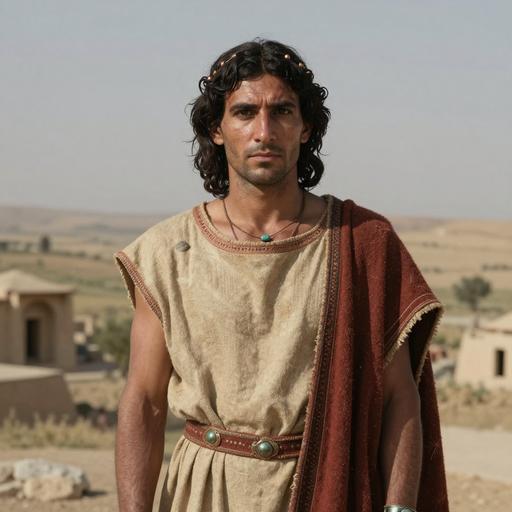
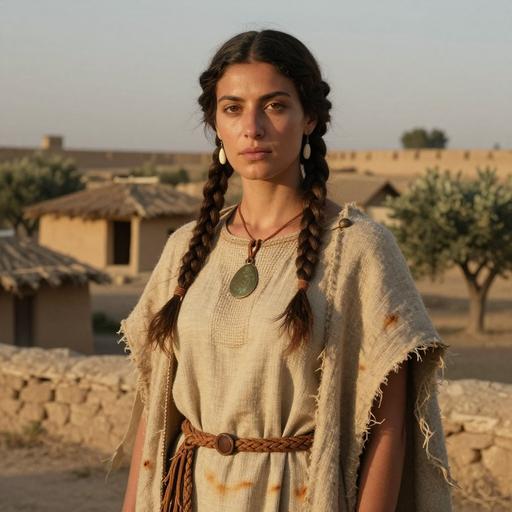
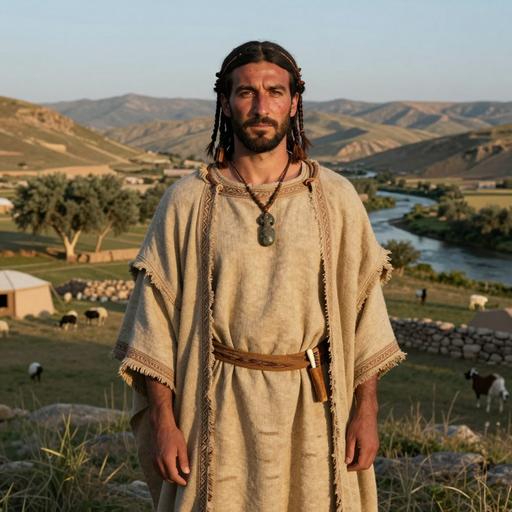
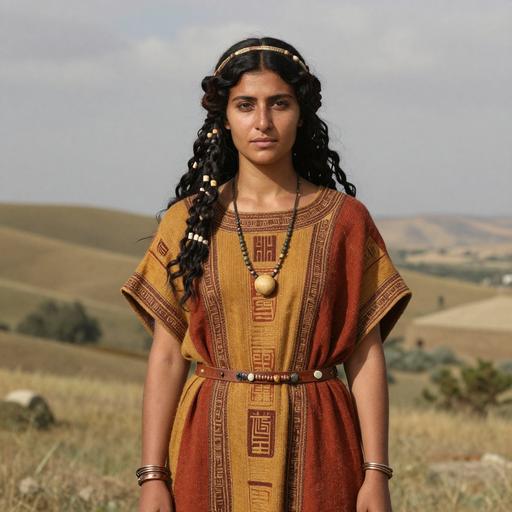
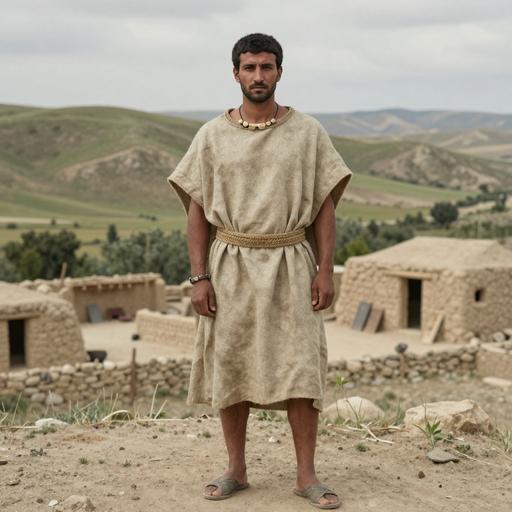
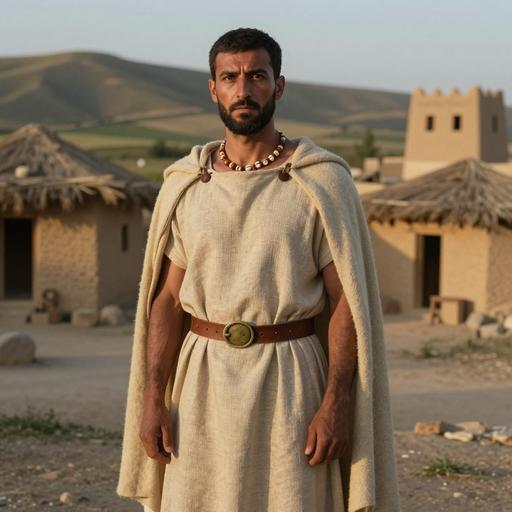
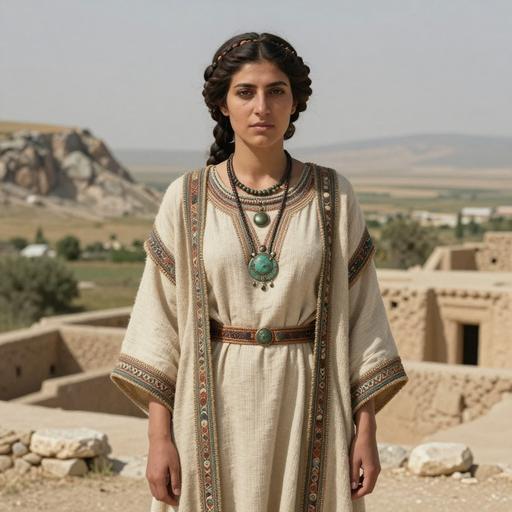
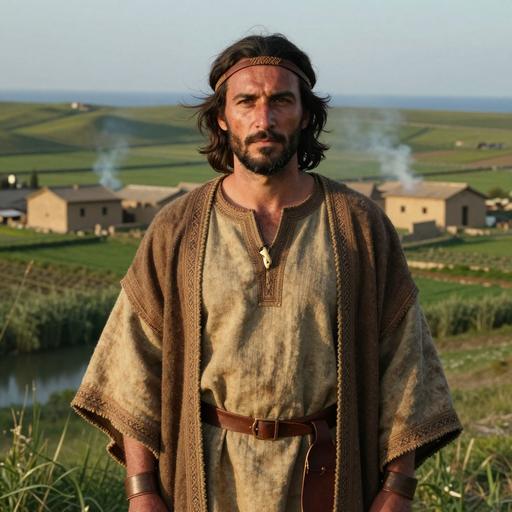
Archaeological layers preserve the textures of daily life: hearths, storage pits, loom weights, spindle whorls, animal bones, and cemeteries. At settlement sites like Oylum Höyük (Kilis) and Harmanören‑Göndürle Höyük (Isparta), domestic archaeology reveals mixed farming economies—wheat, barley, pulses—alongside sheep and goat herding, with cattle and pig present in some assemblages. Craft specialization appears in workshop districts where metalworking slag, mold fragments, and ceramic kilns cluster.

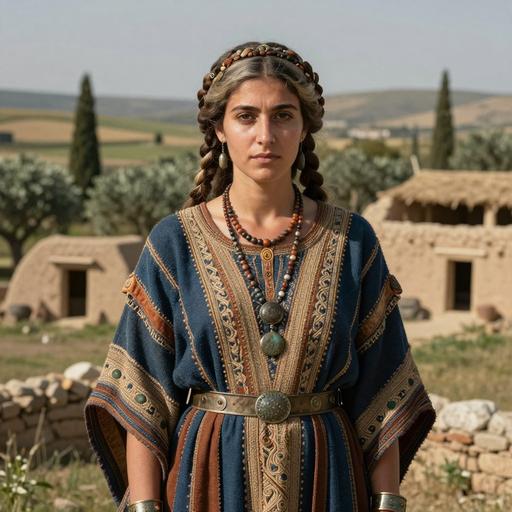
Social life can be inferred from burial variability and architectural hierarchy. Elite tombs at Gordion and fortified citadels at Çavuştepe suggest centralizing authority in parts of Anatolia by the Middle Bronze Age, while simpler graves and dispersed farmsteads indicate persistent rural autonomy. Trade is visible in imported pottery types and seals, and in raw materials such as tin and semi‑precious stones that reached Anatolian workshops.

These scenes—markets, workshops, temples, and domestic courtyards—are reconstructed from stratigraphy and objects. Archaeological interpretation remains probabilistic: craft and household activities are best understood as part of local economies embedded in long‑distance networks rather than as evidence for single, uniform political systems.

  • Mixed farming and pastoralism supported diverse diets and mobility
  • Workshops and import goods indicate craft specialization and trade
Chapter V

Genetic Profile

Ancient DNA from 64 individuals spanning 3340–100 BCE offers a substantial window into Anatolian population dynamics. Common mitochondrial lineages include H (10), U (9), K (9), J (8), and T (3), reflecting maternal diversity typical of Near Eastern and European‑adjacent populations. On the paternal side, haplogroup J appears among the documented Y‑DNA calls (3 instances), a lineage frequently found in the Near East and parts of Anatolia in both ancient and modern datasets.

Genomic data suggest a pattern of regional continuity with episodes of admixture. Broadly, individuals cluster genetically with other Anatolian and Near Eastern groups rather than with distant steppe populations, although isolated signals of external gene flow appear at particular times and places. Because samples are distributed across multiple sites—Gordion, Kuriki Höyük, Tilbe ar Höyük, Oylum Höyük, Çavuştepe, Muradiye, Tatika, Yassıtepe, Devret Höyük, and Harmanören‑Göndürle Höyük—we can begin to trace subregional variation, but uneven site representation means some local trends remain tentative.

These genetic patterns align with archaeological evidence for deep local roots combined with sustained contact across Anatolia and beyond. Statistical ancestry models indicate mixtures of local Neolithic‑derived ancestry with additional components consistent with Near Eastern gene pools; the timing and source of these inputs vary by site and period. While 64 samples provide robust regional signals, finer chronological and spatial sampling will refine models of migration, elite mobility, and family structure.

  • 64 genomes show maternal diversity (H, U, K, J, T) and paternal presence of J
  • Genetic continuity with intermittent external admixture; site‑level patterns require denser sampling
Chapter VI

Legacy & Modern Connections

Anatolia’s Bronze‑to‑Iron Age communities are ancestral threads in the tapestry of modern Turkey and neighboring regions. Genetic continuity detected in the ancient samples helps explain why many mitochondrial lineages (H, U, K, J, T) remain common in the region today. Archaeological legacies—urbanism, metallurgy, road networks, and administrative practices—also influenced successive societies, including Neo‑Hittite polities and later Greek and Roman administrations.

Interpreting these connections requires care: genetic similarity does not equal cultural identity, and population continuity can coexist with major cultural transformations. Nonetheless, combining material culture and ancient genomes provides a richer narrative: peoples of Anatolia maintained long‑standing local ancestries while engaging in networks of trade, migration, and political change that shaped the eastern Mediterranean. Future ancient DNA from underrepresented sites and periods will sharpen our understanding of lineage persistence, migration pulses, and the social mechanisms that carried genes and ideas across millennia.

  • Maternal lineages present in ancient samples persist in the modern gene pool
  • Archaeology plus DNA show local continuity alongside long‑distance connections
Chapter VII

Sample Catalog

27 ancient DNA samples associated with the Anatolian Civilizations culture

Ancient DNA samples from this era, providing genetic insights into the people who lived during this period.

27 / 27 samples
Portrait Sample Country Era Date Culture Sex Y-DNA mtDNA
Portrait of ancient individual I2495 from Turkey, dated 2560 BCE
I2495
Turkey Turkey_EBA 2560 BCE Anatolian Civilizations M J-Z1828 H
Portrait of ancient individual I5742 from Turkey, dated 3092 BCE
I5742
Turkey Turkey_EBA 3092 BCE Anatolian Civilizations F - U2d
Portrait of ancient individual I2683 from Turkey, dated 2621 BCE
I2683
Turkey Turkey_EBA 2621 BCE Anatolian Civilizations F - T2b
Portrait of ancient individual I5743 from Turkey, dated 3081 BCE
I5743
Turkey Turkey_EBA 3081 BCE Anatolian Civilizations F - W3a1
Portrait of ancient individual I4615 from Turkey, dated 3263 BCE
I4615
Turkey Turkey_EBA 3263 BCE Anatolian Civilizations M - N1
Portrait of ancient individual I5733 from Turkey, dated 2885 BCE
I5733
Turkey Turkey_EBA 2885 BCE Anatolian Civilizations F - H
Portrait of ancient individual I14792 from Turkey, dated 2454 BCE
I14792
Turkey Turkey_EBA 2454 BCE Anatolian Civilizations F - N1a1a3
Portrait of ancient individual I5740 from Turkey, dated 2851 BCE
I5740
Turkey Turkey_EBA 2851 BCE Anatolian Civilizations F - K1b1c
Portrait of ancient individual I4481 from Turkey, dated 2881 BCE
I4481
Turkey Turkey_EBA 2881 BCE Anatolian Civilizations F - R1b1
Portrait of ancient individual I4478 from Turkey, dated 2900 BCE
I4478
Turkey Turkey_EBA 2900 BCE Anatolian Civilizations M - R1b1
AI Powered

AI Assistant

Ask questions about the Anatolian Civilizations culture

AI Assistant by DNAGENICS

Unlock this feature
Ask questions about the Anatolian Civilizations culture. Our AI assistant can explain genetic findings, historical context, archaeological evidence, and modern connections.
Sample AI Analysis

The Anatolian Civilizations culture represents a fascinating chapter in human history...

Genetic analysis reveals connections to earlier populations while showing evidence of unique adaptations and cultural innovations. The ancient DNA samples provide insights into migration patterns, social structures, and the biological relationships between ancient populations.

This is a preview of the AI analysis. Unlock the full AI Assistant to explore detailed insights about:

  • Genetic composition and ancestry
  • Migration patterns and origins
  • Daily life and cultural practices
  • Modern genetic legacy
Use code for 35% off Expires May 20