Balkan Neolithic: Farmers of the Danube
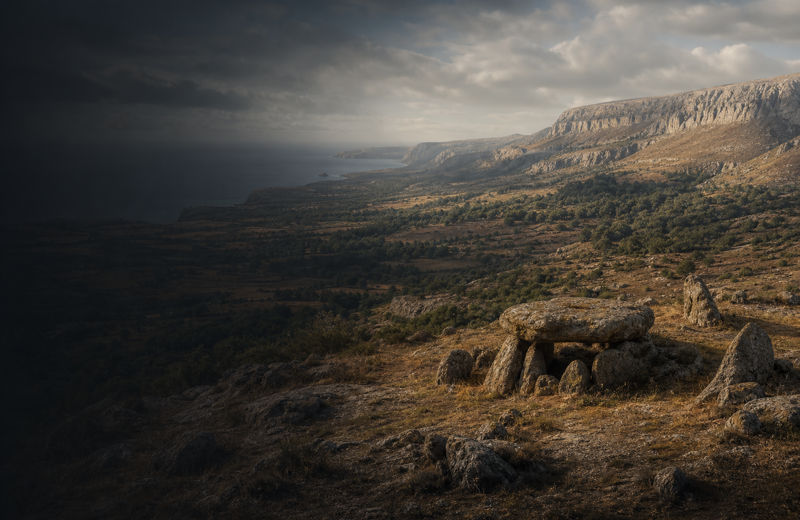
A genetic and archaeological portrait of Neolithic communities across Bulgaria, North Macedonia and Montenegro
DNA Spotlights · Ancient and Historical Cultures
Download PDF creates a visual, rasterized copy. Use Print for selectable text and better assistive-technology support.
Explore the places, time periods, and published research behind ancient DNA samples and the cultures associated with them.
Browse the collection1–12 of 96 spotlights
A genetic and archaeological portrait of Neolithic communities across Bulgaria, North Macedonia and Montenegro
People of ancient Anatolia, where archaeology and DNA illuminate Bronze‑to‑Iron Age life
Early European Farmers (5800–4786 BCE): settlements, pottery, and the genetics of migration
Cosmopolitan peoples shaped by trade, conquest, and local roots across the Hellenistic Mediterranean.
4700–2500 BCE Spain: caves, tombs and DNA illuminate the first farming communities
A single Early Neolithic genome offers a first glimpse of farming in southeastern Albania.
An Early Neolithic presence in Lower Austria seen through potsherds and a single ancient genome
Early Neolithic settlers (5500–4775 BCE) at Kleinhadersdorf and Ratzersdorf — archaeology meets DNA
Neolithic farmers along the Danube (5500–4500 BCE) where archaeology meets ancient genomes
A single ancient maternal voice from Austria’s first farmers
The LBK communities around Asparn-Schletz and Brunn, where pottery, longhouses and genomes meet
Neolithic settlements in Lower Austria, 5500–4775 BCE — archaeology meeting ancient DNA
Our guides explain the methods we use, from population comparisons to matching segments of DNA.