Menu
Currency
Store
Blog
Areni Chalcolithic Echoes
Armenia_C Areni (Vayotz Dzor), Armenia

Areni Chalcolithic Echoes

Five Areni‑1 genomes link cave life in Chalcolithic Armenia to wider Near Eastern and steppe conversations.

4350 CE - 3500 BCE
5 Ancient Samples
Scroll to begin
Chapter I

The Story

Understanding the Areni Chalcolithic Echoes culture

Armenia_C (4350–3500 BCE): five genomes from Areni‑1 reveal a small, diverse Chalcolithic community. Y lineages dominated by haplogroup L and maternal lineages H, K, U4a suggest ties across the Caucasus, Near East, and steppe — but conclusions are preliminary.

Time Period

4350–3500 BCE (Chalcolithic)

Region

Areni (Vayotz Dzor), Armenia

Common Y-DNA

L (incl. L1a) — observed in 3/5 samples

Common mtDNA

H (2), K (2), U4a (1)

Chapter II

Timeline

Key moments in the history of this culture

4100 BCE

Areni‑1 Chalcolithic occupation

Areni‑1 records intensive Chalcolithic use: storage, craft, burials, and organic preservation that preserve human remains later sampled for DNA.

Chapter III

Origins & Emergence

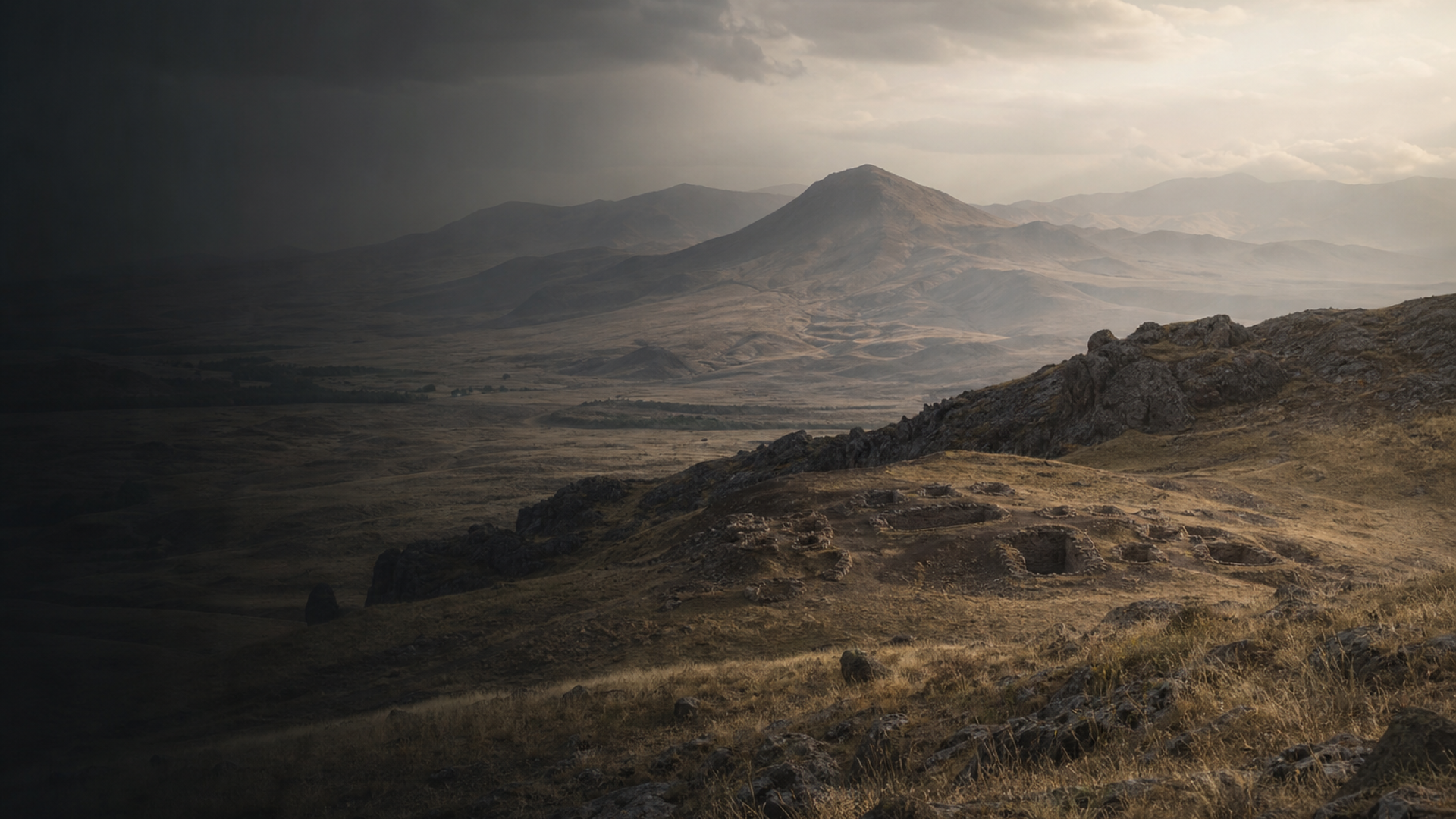
Archaeological data indicates that the Areni‑1 cave complex and its environs were occupied during the later Chalcolithic, with human activity spanning the mid‑5th to mid‑4th millennia BCE. The genetic assemblage labeled Armenia_C (4350–3500 BCE) derives from five individuals recovered at Areni‑1. Limited evidence suggests these people formed small, connected household groups making use of cave spaces for storage, ritual, and burial. The material record at Areni includes finely made pottery, textile impressions, and organic artefacts that speak to a landscape of pastoralism, horticulture, and craft specialization.

Genetically, the group shows a compact but varied profile: paternal lineages are dominated by haplogroup L, including L1a in one individual, while maternal lineages include H, K, and U4a. The presence of L — a lineage today more frequent further south — raises the possibility of southward or corridor connections across the Armenian highlands during the Chalcolithic, but with only five genomes the pattern must be regarded as tentative. Archaeological context supports sustained local traditions mixed with intermittent external influences; the DNA hints at a living population poised between indigenous Caucasian continuity and wider exchange networks across the Near East and Eurasian periphery.

  • Occupation centered on Areni‑1 cave, Vayotz Dzor, Armenia
  • Dates between 4350–3500 BCE place it in the Chalcolithic period
  • Small sample size means origin hypotheses are preliminary
Chapter IV

Daily Life & Society

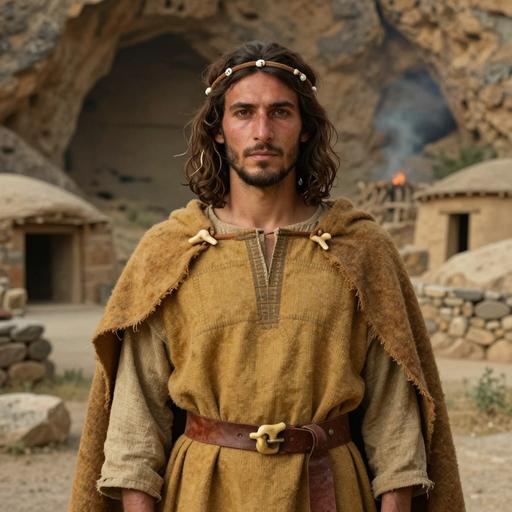
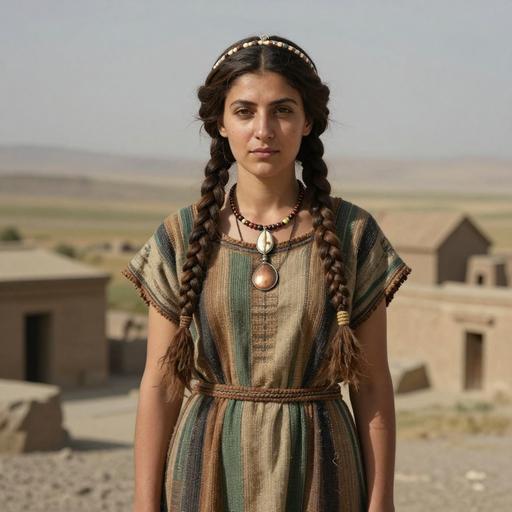
Archaeological traces from Areni‑1 paint a cinematic portrait: sun‑baked limestone ledges lined with storage vessels, hides and woven fragments folded into niches, and silent hearths where food was prepared and shared. Archaeobotanical and faunal remains recovered nearby indicate a mixed subsistence economy of herding, some cultivation, and gathered resources. Craft activities — pottery shaping, textile production, leatherwork — are evident in toolkits and micro‑residues, implying households that combined utility with skilled manufacture.

Cave contexts often preserve exceptional organic material, offering glimpses of clothing, footwear, and possible ritual paraphernalia. Social organization can be inferred as kin‑centered, with small burial assemblages and curated grave goods suggesting a community attentive to lineage and memory. Yet material culture also shows signs of long‑distance contact: styles and raw materials reflect exchanges along routes that passed through the Armenian highlands, connecting to Anatolian, Mesopotamian, and Caucasian neighbors. These networks likely carried not only objects but also ideas and, intermittently, people — a point echoed by the genetic diversity seen among the five Areni genomes.

  • Mixed economy: herding, cultivation, and wild resource use
  • Specialized crafts (pottery, textiles, leather) and curated burial practices
Chapter V

Genetic Profile

The Armenia_C dataset comprises five genomes dated between 4350 and 3500 BCE, all from Areni‑1. On the paternal side, three of five individuals carry Y‑DNA haplogroup L (including one L1a). Haplogroup L is today most frequent in South Asia and parts of southwestern Asia; its detection here in Chalcolithic Armenia is notable and may signal gene flow along southern routes or the persistence of lineages in the southern Caucasus that are underrepresented in modern surveys. These interpretations remain speculative: a sample count under ten requires caution and emphasizes the preliminary nature of any geographic inference.

Mitochondrial diversity in the five individuals includes haplogroups H (2), K (2), and U4a (1). H is ubiquitous across later European and West Eurasian populations; K is often associated with Neolithic and post‑Neolithic dispersals from Anatolia and the Near East; U4a appears intermittently in northern and steppe‑connected contexts. The mixed maternal signals support an image of Chalcolithic Areni as a crossroads where local Caucasus genetic continuity met incoming influences. Population modelling with larger sample sets would be necessary to resolve admixture proportions, directionality of movements, and whether the paternal L signal represents a transient migration, persistent local lineage, or sampling bias.

  • Y‑DNA dominated by L (incl. L1a) — surprising in a Caucasus context
  • mtDNA includes H, K, and U4a — pointing to mixed Near Eastern and steppe affinities
Chapter VI

Legacy & Modern Connections

Armenia_C genomes speak to deep, multi‑layered human stories in the southern Caucasus. The mixture of paternal and maternal lineages reflects a region of corridors and thresholds where populations met, intermarried, and carried cultural practices across valleys and high passes. Modern genetic landscapes in Armenia and neighboring regions are the palimpsests of many such episodes; some lineages seen at Areni may persist today, while others may have become rare or dispersed.

Because this dataset is small, any direct link between these specific Chalcolithic individuals and modern groups must be drawn carefully. Still, when integrated with broader ancient DNA research, Areni‑1 contributes essential local depth: it anchors narratives of Chalcolithic life in the Armenian highlands and reminds us that the peoples who shaped later Bronze Age and historic dynamics were assembled from a mosaic of local continuity and long‑distance connections.

  • Illustrates the Caucasus as a genetic and cultural crossroads
  • Small sample size means modern connections are suggestive, not definitive
Chapter VII

Sample Catalog

5 ancient DNA samples associated with the Areni Chalcolithic Echoes culture

Ancient DNA samples from this era, providing genetic insights into the people who lived during this period.

5 / 5 samples
Portrait Sample Country Era Date Culture Sex Y-DNA mtDNA
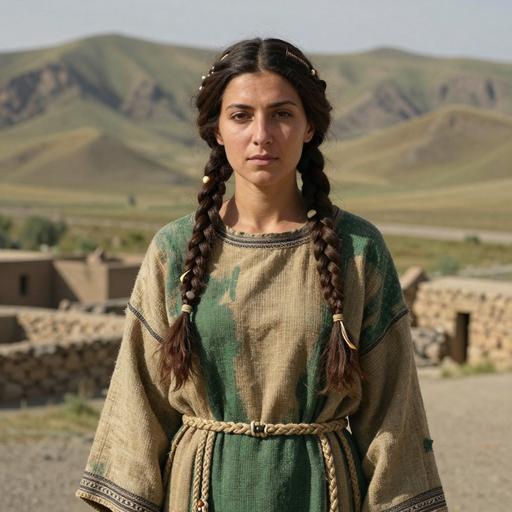
Portrait of ancient individual I1631 from Armenia, dated 4311 BCE
I1631
Armenia Armenia_C 4311 BCE Ancient Near Eastern Civilization F - K1a8c
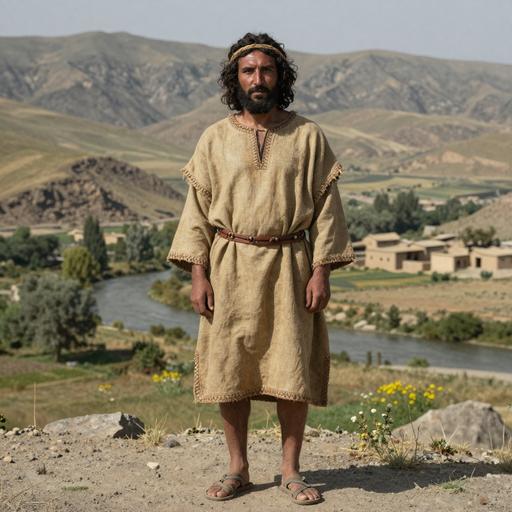
Portrait of ancient individual I1632 from Armenia, dated 4236 BCE
I1632
Armenia Armenia_C 4236 BCE Ancient Near Eastern Civilization M L-FTA37789 K1a8c
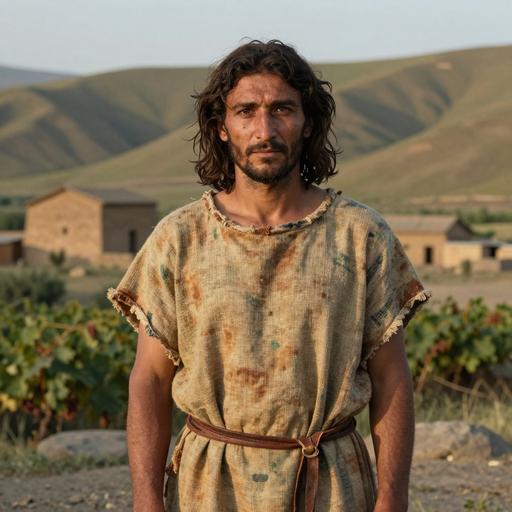
Portrait of ancient individual I1407 from Armenia, dated 4350 BCE
I1407
Armenia Armenia_C 4350 BCE Ancient Near Eastern Civilization M L1a H
Portrait of ancient individual I1634 from Armenia, dated 4330 BCE
I1634
Armenia Armenia_C 4330 BCE Ancient Near Eastern Civilization M L-M76 H2a1
Portrait of ancient individual I1409 from Armenia, dated 4230 BCE
I1409
Armenia Armenia_C 4230 BCE Ancient Near Eastern Civilization F - U4a
AI Powered

AI Assistant

Ask questions about the Areni Chalcolithic Echoes culture

AI Assistant by DNAGENICS

Unlock this feature
Ask questions about the Areni Chalcolithic Echoes culture. Our AI assistant can explain genetic findings, historical context, archaeological evidence, and modern connections.
Sample AI Analysis

The Areni Chalcolithic Echoes culture represents a fascinating chapter in human history...

Genetic analysis reveals connections to earlier populations while showing evidence of unique adaptations and cultural innovations. The ancient DNA samples provide insights into migration patterns, social structures, and the biological relationships between ancient populations.

This is a preview of the AI analysis. Unlock the full AI Assistant to explore detailed insights about:

  • Genetic composition and ancestry
  • Migration patterns and origins
  • Daily life and cultural practices
  • Modern genetic legacy
Use code for 30% off Expires May 31