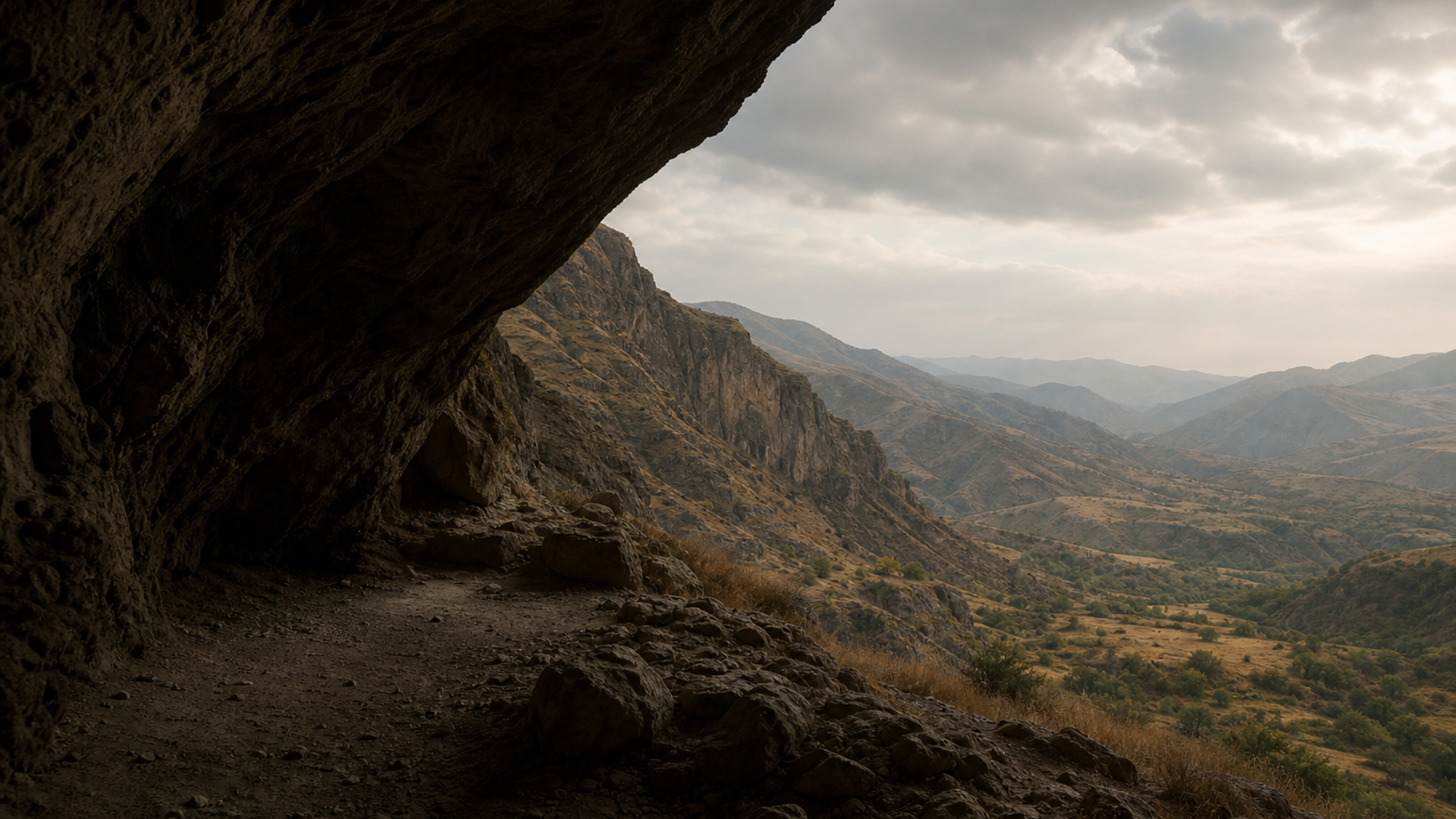
Archaeology at Areni‑1 paints vivid scenes: hunters and herders moving seasonally, potters turning clay, metallurgists experimenting with copper alloys, and communities storing food in cave niches. The Chalcolithic period in the Armenian Highlands is characterized by small villages, mobile pastoralism, and increasingly complex craft production.
Burial practices in cave contexts at Areni‑1 include articulated human remains, often associated with domestic debris and occasional prestige objects. These assemblages suggest tightly knit households or kin groups who combined subsistence strategies—agriculture, stock rearing, and foraging—with craft specialization. Botanical and faunal remains from the region point to cereal cultivation and managed herds, though preservation biases can skew this picture.
Because only five genomes are available for Armenia_C, we cannot robustly reconstruct social kinship patterns from DNA alone. However, when genetic data are integrated with grave goods, wear on tools, and spatial arrangement of burials, a more textured social portrait emerges: small-scale communities with regional connections and dynamic lifeways adapted to upland environments.
Daily life highlights:
- Mixed subsistence: cereals, herding, and foraging.
- Craft and early metallurgy visible in artifacts and production debris.