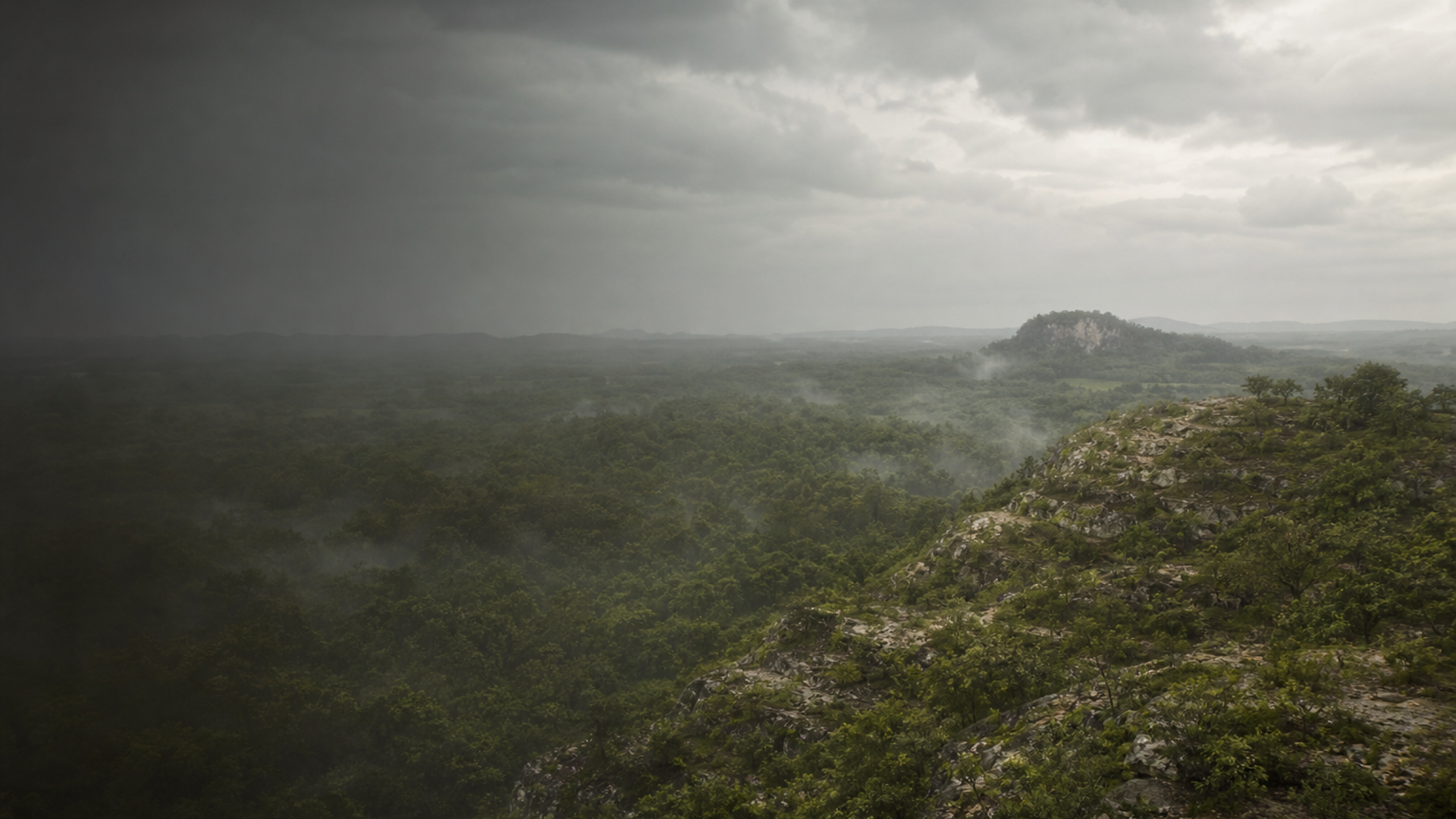
The human story suggested by the Mayahak Cab Pek individual is one of seasonal rhythms and intimate knowledge of a richly productive landscape. Archaeological data from Belize and neighboring regions for similar dates typically show reliance on riverine fish, shellfish, wild tubers, and emerging management of plants — a mixed economy that allowed groups to exploit both terrestrial and aquatic niches.
Settlement patterns in the Late Archaic often involved small, mobile bands with repeated use of favored camps and resource patches. Lithic tools, groundstone implements, and ephemeral hearths in comparable sites indicate activities such as processing wild plants, fishing, and tool maintenance. Social life would have been organized around kin networks, shared labor, and local ceremonial practices; however, direct evidence for complex ritual architectures in Belize appears later in the archaeological sequence.
Material culture and burial practices vary across sites, but the presence of a dated burial at Mayahak Cab Pek offers a rare personal glimpse. Osteological data (when available) can reveal diet, mobility markers, and stress patterns, but such interpretations must grapple with preservation limits. In sum, the archaeological picture is of adaptable communities finely attuned to a mosaic environment, even if many details remain obscured by time.