Menu
Currency
Store
Blog
Beniamin of Urartu
Armenia_Beniamin_Urartu_IA Armenia (Shirak Province, Beniamin)

Beniamin of Urartu

A lone Iron Age voice from Shirak that echoes the Urartian world

801 CE - 774 BCE
1 Ancient Samples
Scroll to begin
Chapter I

The Story

Understanding the Beniamin of Urartu culture

Human remains from Beniamin (Shirak Province, Armenia) dated 801–774 BCE provide a solitary genetic window into the Urartian sphere. Archaeological context links this individual to imperial-era networks; DNA data are preliminary but align with broader Caucasus-era ancestries.

Time Period

801–774 BCE

Region

Armenia (Shirak Province, Beniamin)

Common Y-DNA

Unknown (single sample)

Common mtDNA

Unknown (single sample)

Chapter II

Timeline

Key moments in the history of this culture

790 BCE

Beniamin burial (sample)

Mortuary context in Beniamin, Shirak Province dated to 801–774 BCE — the source of a single ancient genome tied to the Urartian era.

Chapter III

Origins & Emergence

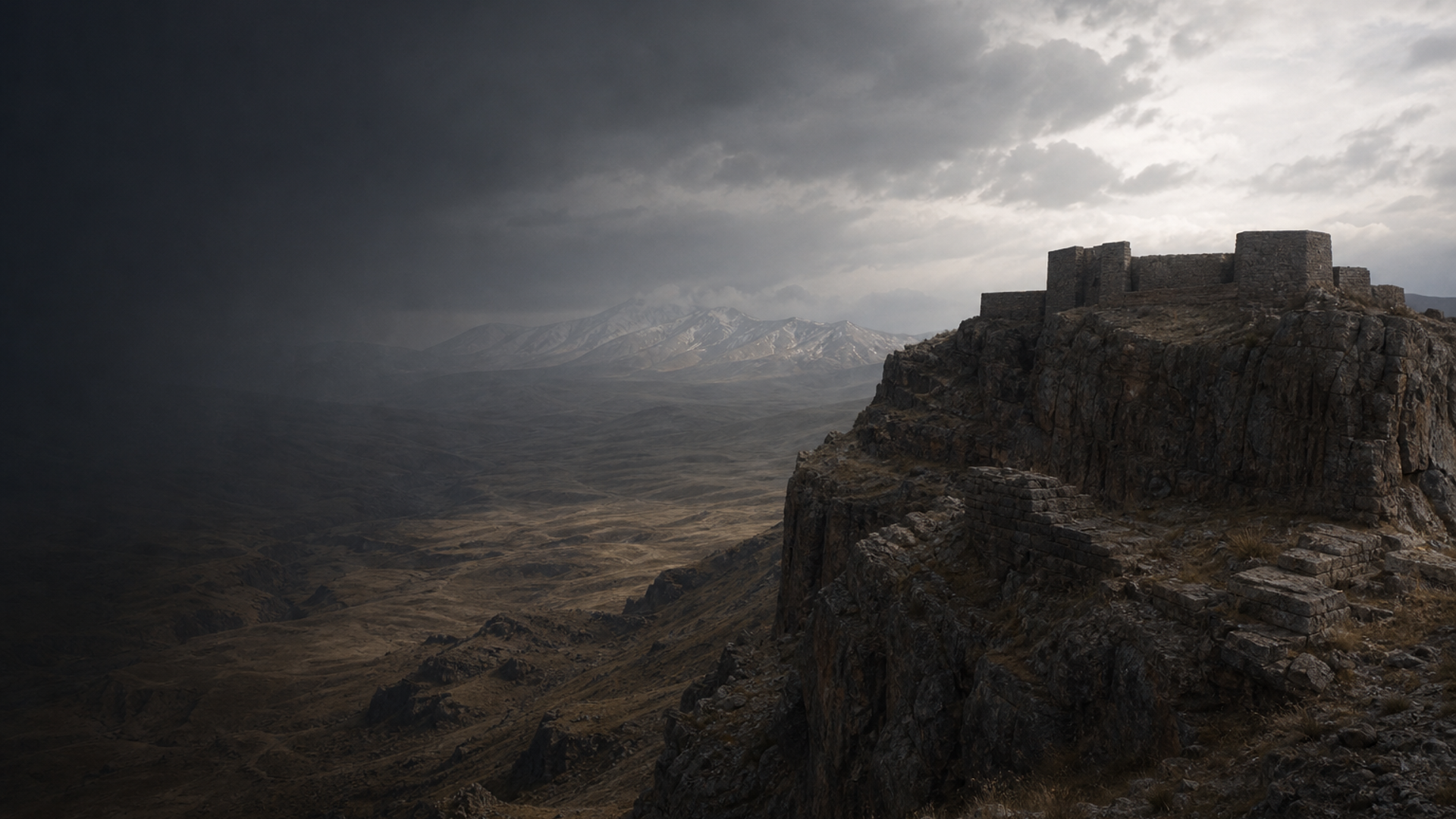
In the late first millennium BCE the highlands of the Armenian plateau were stitched into the Urartian realm — an imperial tapestry of fortresses, irrigated fields, and royal centers. The individual recovered from a mortuary context near the village of Beniamin in Shirak Province (sample dated 801–774 BCE) lived during the height of Urartu's territorial consolidation. Archaeological data indicates that Urartian power radiated from major sites such as Erebuni (near modern Yerevan) and the royal center of Tushpa (on Lake Van), while smaller settlements and rural estates maintained ties through tribute, craft production, and seasonal movement.

Material culture across the region — distinctive fortified citadels, advanced irrigation channels, bronze metallurgy, and inscribed administrative tablets at key sites — paints a picture of a state with sophisticated organization. The Beniamin burial, while modest in number, sits within this broader landscape: it is archaeological testimony to the everyday reach of an empire often known from its monumental architecture. Limited evidence suggests local continuity with earlier Bronze Age communities even as Urartian institutions reorganized space and labor. Because only one genetic sample is available from Beniamin, any population-level claims remain provisional; nonetheless, this single voice contributes a precious data point for tracing how local highland communities participated in imperial networks.

  • Individual dated 801–774 BCE from Beniamin (Shirak Province)
  • Context fits within the Urartian imperial landscape (Erebuni, Tushpa)
  • Limited sample size — broad regional patterns inferred cautiously
Chapter IV

Daily Life & Society

Archaeological traces of life in Urartian-era Armenia range from monumental fortresses to fragmented household assemblages. At a site like Beniamin the everyday would have been tactile and seasonal: stone-built storage, hearths for baking and metalworking, and terraces irrigated by channels fed from mountain streams. Archaeobotanical and zooarchaeological evidence across the region indicates mixed farming — barley and wheat cultivation, herding of sheep and goats — integrated with specialized crafts such as bronze smithing and textile production.

Social life was hierarchical but permeable. Royal inscriptions and administrative archives show elite control of resources and labor in core areas, while village economies retained degrees of autonomy. Graves from comparable Urartian contexts display a range of burial treatments, from simple inhumations to richer assemblages with ceramics, metal objects, and sometimes imported goods, reflecting differences in status, gendered roles, and connections to trade routes. The lone Beniamin individual arrived in the archaeological record as a single mortality event; without a cemetery series it is difficult to reconstruct household composition or social ranking with confidence. Nonetheless, combining the material culture palette with DNA offers a more textured sense of who lived, worked, and traveled across the highland corridors linking settlements to fortresses.

  • Economy: mixed farming, herding, and craft specialization
  • Society: local households embedded within imperial administrative networks
Chapter V

Genetic Profile

The genetic data from Beniamin are derived from a single individual dated to 801–774 BCE. With just one genome, conclusions are necessarily tentative: sample count is below the threshold for robust population inference, and any statement about community ancestry must be framed as preliminary. Archaeogenomic studies of contemporaneous Urartian and nearby Iron Age individuals published elsewhere commonly report a genetic profile that includes substantial ancestry components associated with the Caucasus and Anatolian farmer-derived lineages, with variable input from Steppe-related groups in some locales. Comparisons place this broad pattern in a longstanding regional mosaic shaped by Bronze Age migrations and local continuity.

For the Beniamin sample specifically, archaeological context links it to Urartian-era material culture, and genomic affinities (where possible to assess) are best interpreted against a backdrop of published Iron Age Caucasus genomes. The dataset here lacks reported common Y- or mtDNA haplogroups; therefore, patrilineal or matrilineal assignments cannot be firmly stated. Importantly, single-sample results are invaluable as an initial anchor but cannot reveal internal diversity, migration rates, or kinship patterns within Shirak communities. Future sampling of additional graves and settlements across northern Armenia will be essential to refine demographic models and to test hypotheses about population continuity and movement during the Urartian period.

  • Single genome (n=1) — conclusions are preliminary
  • Broad regional comparisons suggest Caucasus/Anatolian-related ancestry patterns
Chapter VI

Legacy & Modern Connections

The echo of Urartu persists in the Armenian highlands: place-names, monumental ruins, and cultural memory all carry traces of an Iron Age polity that shaped regional landscapes. Genetically, modern populations of the Caucasus and Armenian plateau show complex admixture histories accumulated over millennia; single ancient genomes like the Beniamin individual contribute discrete temporal markers that help calibrate these stories. Archaeological continuity in settlement patterns and material forms suggests that today’s populations inherit not only cultural but also biological threads woven through the Bronze and Iron Ages.

Because the genetic baseline from Beniamin is limited to one sample, it should be treated as an emergent signal rather than a definitive portrait. When combined with future ancient DNA from neighboring Urartian sites, this data point will help reveal how empires altered local demography — whether by population movement, elite mobility, or sustained local residence — and will refine connections between ancient communities and modern descendants in Armenia and the broader Caucasus.

  • Contributes a temporal genetic anchor for the Urartian period
  • Single-sample data underscore the need for broader regional sampling
Chapter VII

Sample Catalog

1 ancient DNA samples associated with the Beniamin of Urartu culture

Ancient DNA samples from this era, providing genetic insights into the people who lived during this period.

1 / 1 samples
Portrait Sample Country Era Date Culture Sex Y-DNA mtDNA
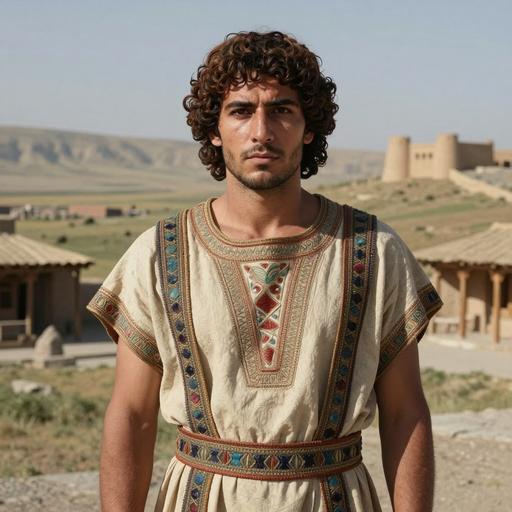
Portrait of ancient individual R11535 from Armenia, dated 801 BCE
R11535
Armenia Armenia_Beniamin_Urartu_IA 801 BCE Ancient Near Eastern Civilization M - -
AI Powered

AI Assistant

Ask questions about the Beniamin of Urartu culture

AI Assistant by DNAGENICS

Unlock this feature
Ask questions about the Beniamin of Urartu culture. Our AI assistant can explain genetic findings, historical context, archaeological evidence, and modern connections.
Sample AI Analysis

The Beniamin of Urartu culture represents a fascinating chapter in human history...

Genetic analysis reveals connections to earlier populations while showing evidence of unique adaptations and cultural innovations. The ancient DNA samples provide insights into migration patterns, social structures, and the biological relationships between ancient populations.

This is a preview of the AI analysis. Unlock the full AI Assistant to explore detailed insights about:

  • Genetic composition and ancestry
  • Migration patterns and origins
  • Daily life and cultural practices
  • Modern genetic legacy
Use code for 30% off Expires May 31