Menu
Store
Blog
Southern Bulgaria

Bronze Age Bulgaria: Kapitan Andreevo

A fragile genomic glimpse into southern Bulgaria's Early–Middle Bronze Age landscape.

3000 CE - 1300 BCE
Scroll to begin
Chapter I

The Story

Understanding the Bronze Age Bulgaria: Kapitan Andreevo culture

Archaeological and genetic evidence from Kapitan Andreevo (South, Bulgaria; 3000–1300 BCE) offers a single ancient mtDNA J genome that hints at farmer-derived ancestry amid Bronze Age transformations. Conclusions are preliminary due to limited sampling.

Time Period

3000–1300 BCE

Region

Southern Bulgaria

Common Y-DNA

Undetermined (insufficient data)

Common mtDNA

J (observed in 1 sample)

Chapter II

Timeline

Key moments in the history of this culture

2500 BCE

Regional Bronze Age transformations

Circa 2500 BCE, southern Bulgaria saw intensified metallurgy and expanding exchange networks that reshaped settlement and social patterns.

Chapter III

Origins & Emergence

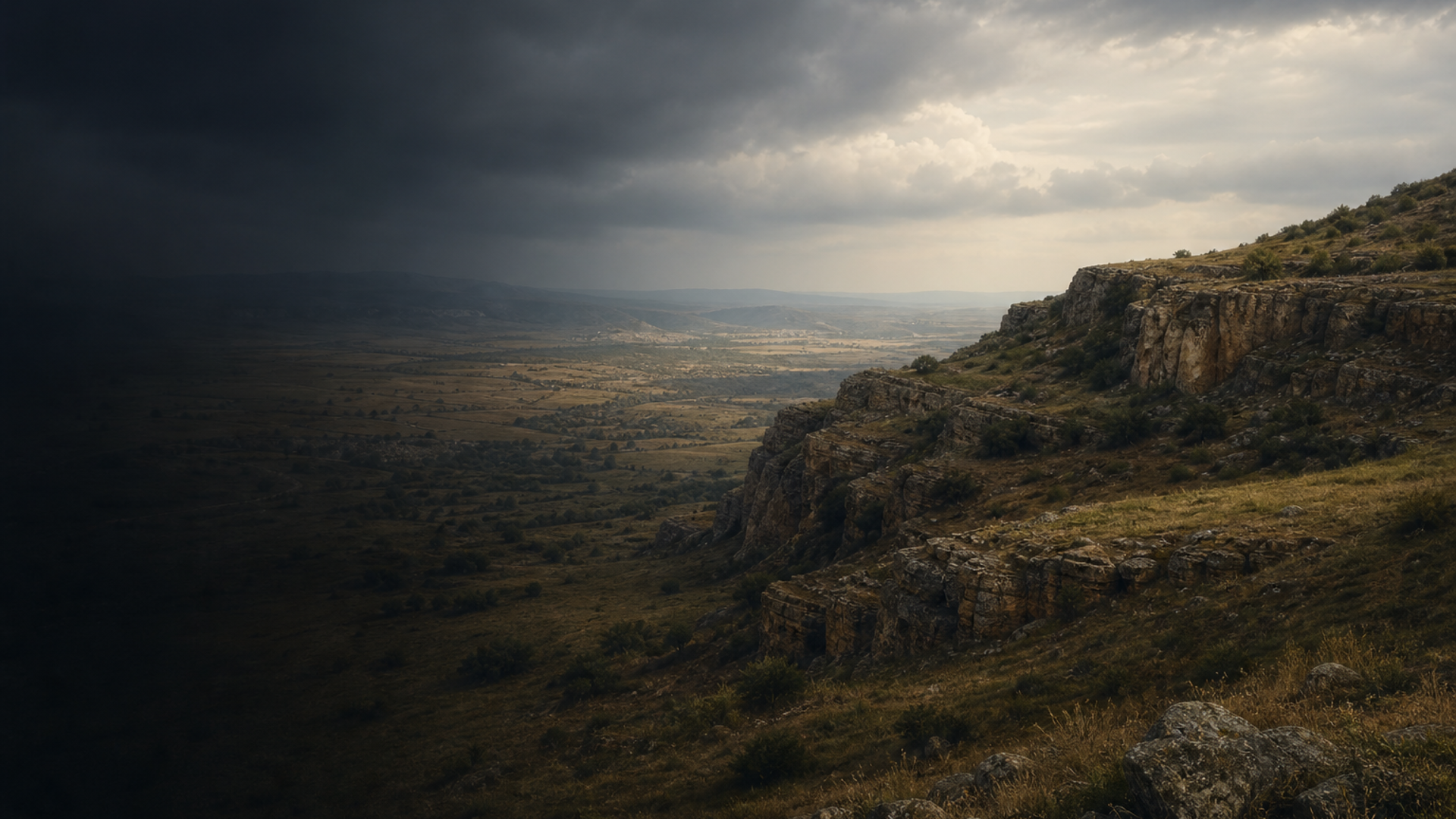
From the low river plains and rolling hills of southern Bulgaria emerges a scene of slow cultural layering between 3000 and 1300 BCE. Archaeological data indicates networks of small settlements and seasonal camps that reflect the shift from late Neolithic lifeways into a Bronze Age world shaped by new metallurgy, social hierarchies, and long-distance exchange. At sites in the region — including surveys and finds around Kapitan Andreevo (South) — traces of domestic architecture, burial pits, and metalworking debris suggest communities negotiating new technologies and contacts across the Balkans.

This cultural horizon, often grouped under Early to Middle Bronze Age Bulgaria, is not monolithic: material culture shows local continuity with Neolithic farming traditions alongside incoming styles and raw materials that likely traveled along river corridors and coastal routes. Archaeological stratigraphy indicates episodic population changes rather than abrupt replacement in many places. The lone genomic sample from Kapitan Andreevo provides a tantalizing, but limited, window on the biological side of these processes — a single thread in a much larger tapestry that archaeology alone continues to reveal.

  • Time span: 3000–1300 BCE, Early–Middle Bronze Age Bulgaria
  • Site context: Kapitan Andreevo (South), southern Bulgaria
  • Archaeology shows local continuity plus incoming influences
Chapter IV

Daily Life & Society

Daily life in Bronze Age southern Bulgaria would have unfolded amid cultivated fields, meadows grazed by herds, and workshops where copper and early bronze were shaped into tools and ornaments. Archaeological surveys in the region, including around Kapitan Andreevo, indicate a mixed economy of cereal agriculture, animal husbandry, and craft production. Houses were likely simple timber or wattle-and-daub structures clustered in hamlets; storage pits and hearths show seasonal rhythms of sowing, harvest, and communal tasks.

Burial practices in the broader Balkan Bronze Age were diverse — inhumation, cremation, and variant grave goods appear across sites — implying varied social identities and possibly emerging status differences. Exchange networks brought raw materials and finished objects into southern Bulgaria: amber, metal ores, and decorated pottery styles moved across considerable distances. These flows hint at mobile artisans, merchant ties, and the movement of ideas as well as goods. Archaeological evidence thus paints a cinematic picture of communities balancing tradition and innovation under changing climatic, economic, and social pressures.

  • Mixed economy: agriculture, herding, crafts
  • Evidence for regional exchange and varied burial rites
Chapter V

Genetic Profile

Genetic data from the Bulgaria_EBA_MBA identifier come from a single ancient individual recovered at Kapitan Andreevo (South). This lone sample carries mitochondrial haplogroup J. Mitochondrial J is associated in broader ancient DNA research with lineages that became common among early farmers in Europe and with later populations in the Mediterranean and Near East. However, when interpretations rest on one mtDNA genome, they must remain tentative: mtDNA reflects only maternal ancestry and a single data point cannot capture population-level diversity.

No Y-chromosome haplogroup is reported for this sample, so paternal lineages in this local population remain undocumented. Comparative aDNA research across the Balkans shows that Bronze Age communities often derive ancestry from a mixture of Anatolian-farmer-derived, European hunter-gatherer, and incoming Steppe-related sources; whether the Kapitan Andreevo individual reflects this same mosaic cannot be resolved without additional genomes. Given the sample count of one, conclusions about migration, continuity, or admixture are preliminary. Future sampling across burial contexts and settlements in southern Bulgaria will be essential to transform this cinematic single glimpse into a robust population history.
  • mtDNA J observed in 1 individual — suggests maternal links to farmer-derived lineages
  • No Y-DNA reported; single-sample limits population-level conclusions
Chapter VI

Legacy & Modern Connections

The cultural and genetic echoes of Bronze Age Bulgaria continue to ripple through the Balkans. Archaeologically, motifs, metalworking traditions, and settlement patterns from the Early to Middle Bronze Age set foundations for later regional identities and for the societies encountered by Classical-era chroniclers. Genetically, haplogroups like mtDNA J persist in modern populations across Europe and the Near East, but persistence of a lineage does not equal direct continuity of population or culture.


Because the genetic evidence from Kapitan Andreevo is so limited (one mtDNA sample), any connections to modern Bulgarian or wider Balkan populations must be drawn cautiously. The real legacy is methodological: combining careful excavation, contextual archaeology, and expanding ancient DNA sampling promises to convert isolated genomic glimpses into a detailed narrative of migration, interaction, and local resilience across millennia.

  • Material culture influenced later Balkan traditions
  • Modern genetic affinities require broader sampling to confirm continuity
AI Powered

AI Assistant

Ask questions about the Bronze Age Bulgaria: Kapitan Andreevo culture

AI Assistant by DNAGENICS

Unlock this feature
Ask questions about the Bronze Age Bulgaria: Kapitan Andreevo culture. Our AI assistant can explain genetic findings, historical context, archaeological evidence, and modern connections.
Sample AI Analysis

The Bronze Age Bulgaria: Kapitan Andreevo culture represents a fascinating chapter in human history...

Genetic analysis reveals connections to earlier populations while showing evidence of unique adaptations and cultural innovations. The ancient DNA samples provide insights into migration patterns, social structures, and the biological relationships between ancient populations.

This is a preview of the AI analysis. Unlock the full AI Assistant to explore detailed insights about:

  • Genetic composition and ancestry
  • Migration patterns and origins
  • Daily life and cultural practices
  • Modern genetic legacy
Use code for 30% off Expires May 12



