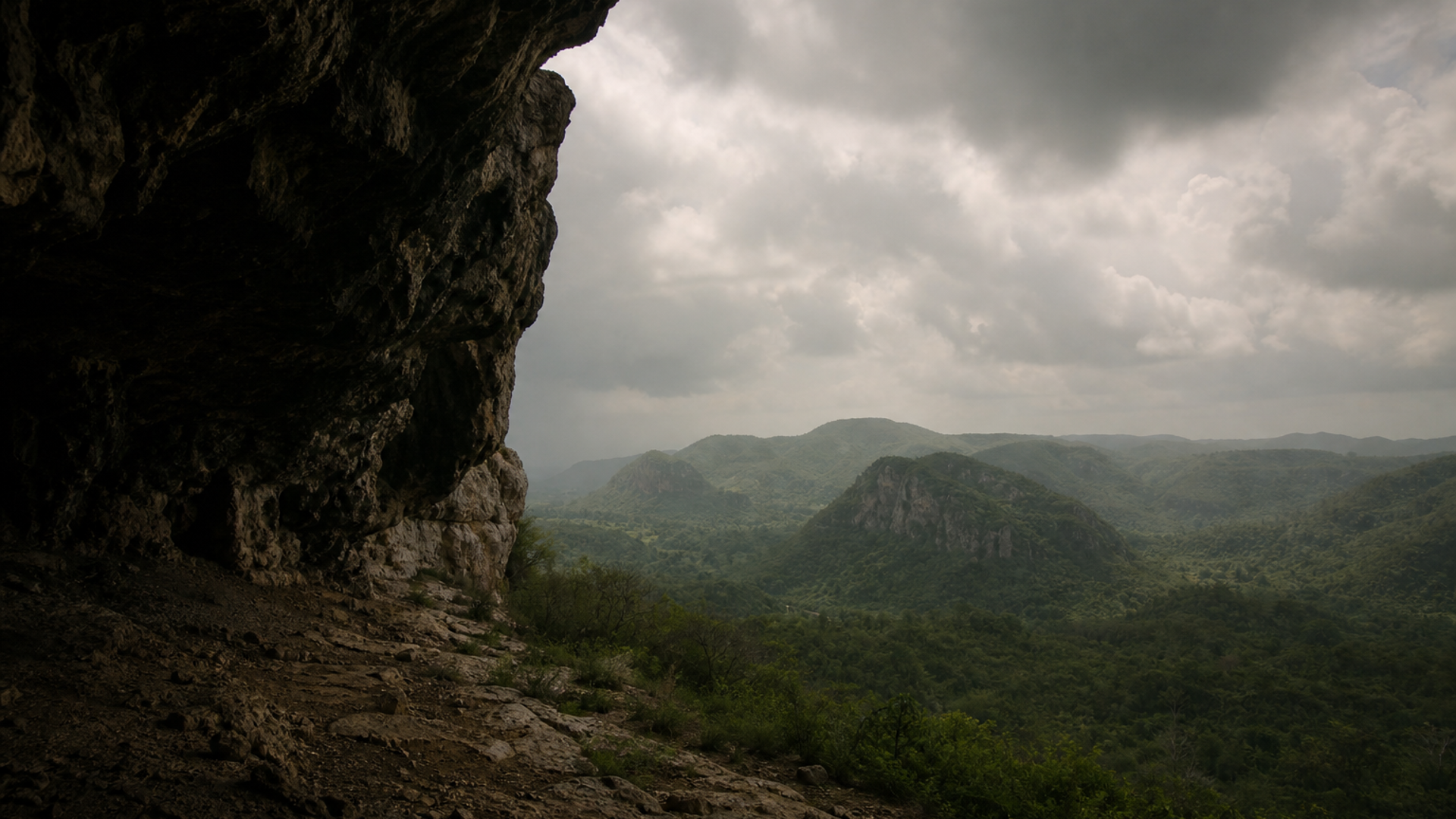
Ancient DNA from five individuals at Cueva de los Esqueletos 1 yields a focused but cautious genetic portrait. On the paternal side, three of the five individuals carry haplogroup Q—one of the primary Y-DNA lineages found among Indigenous peoples of the Americas and consistent with deep Beringian-derived ancestry across the hemisphere. On the maternal side, four individuals carry mtDNA haplogroup C and one carries B2—both maternal lineages widely documented among Native American populations from North to South America and commonly observed in Caribbean ancient and modern samples.
These uniparental markers align the cave population with broader Indigenous American genetic signatures rather than recent transatlantic lineages. However, uniparental markers represent single genealogical lines and cannot capture the full complexity of ancestry; autosomal data, when available, provide a richer view of population history. Crucially, the sample count is low (n=5). When sample counts are under 10, patterns may reflect local family groups, burial selection, or chance, and should be treated as preliminary.
Archaeogenetic interpretation therefore proceeds with caution: current data suggest continuity with Native American founding lineages in the Caribbean, but additional samples from other sites, combined autosomal analyses, and comparative datasets across the Greater Antilles and adjacent mainland are needed to resolve migration routes, sex-biased gene flow, and demographic change during the late Ceramic and early contact eras.