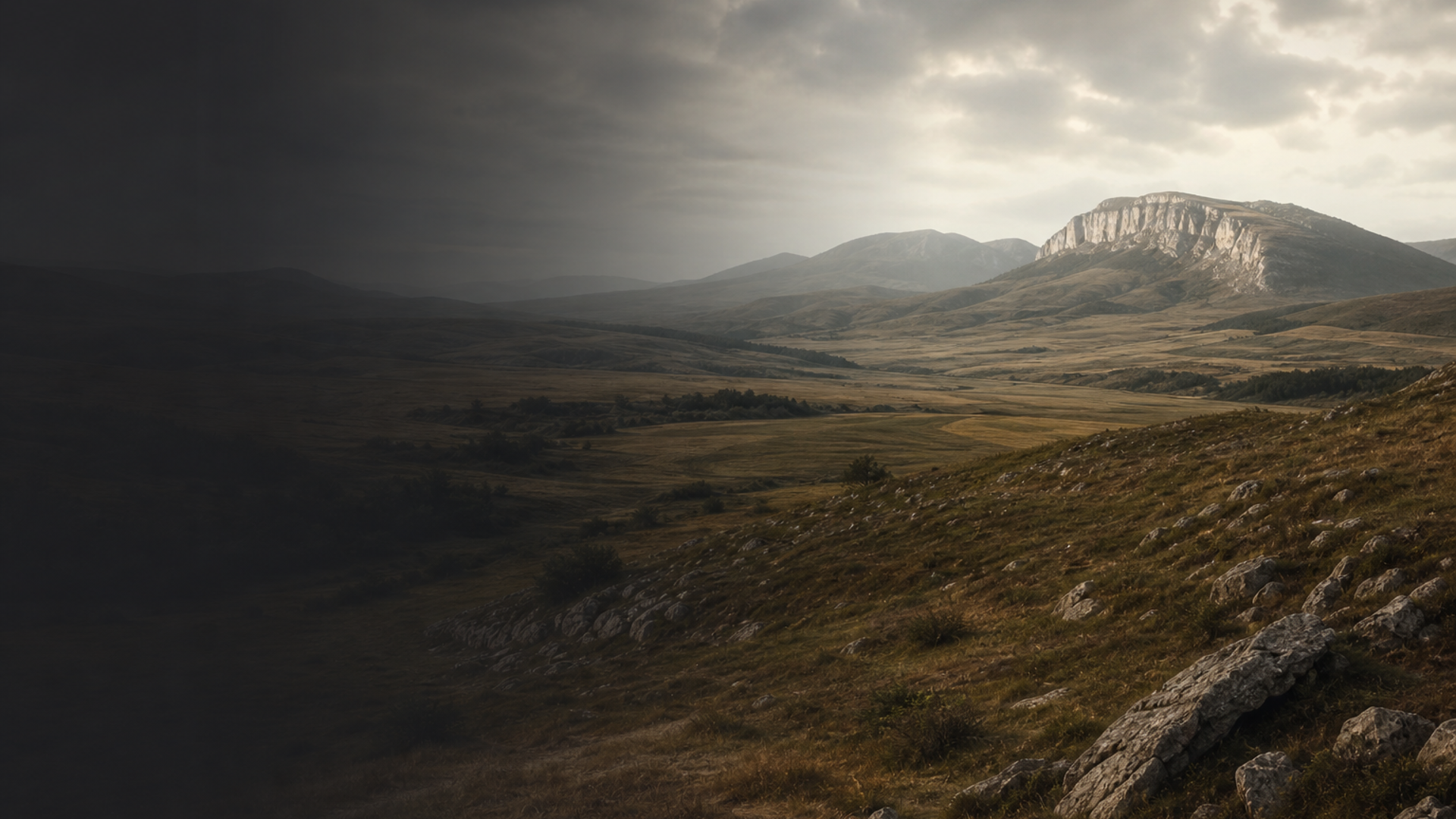
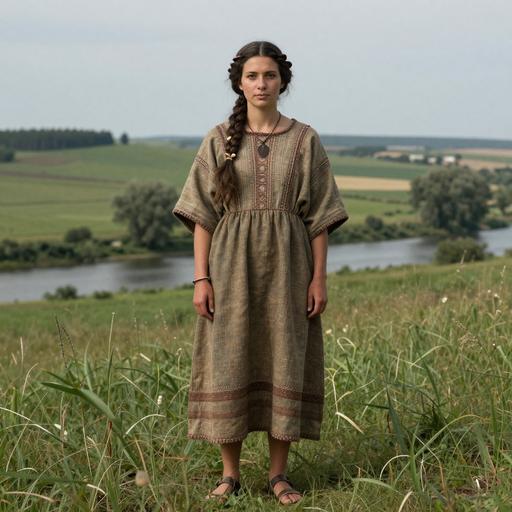
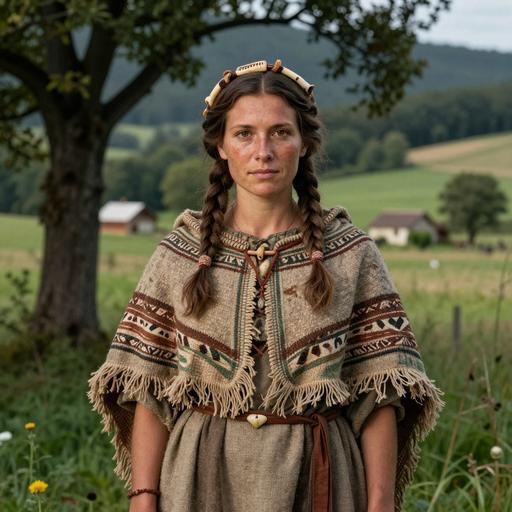
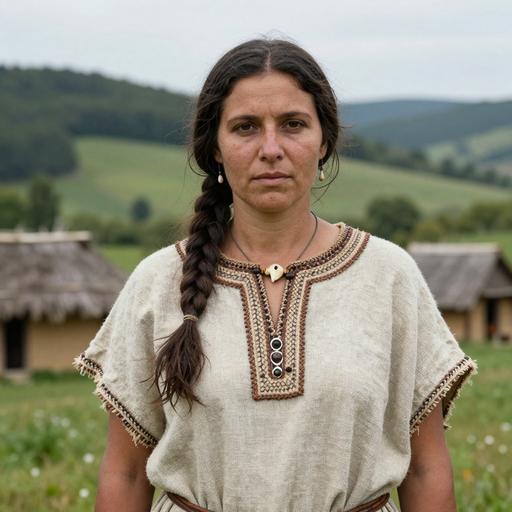
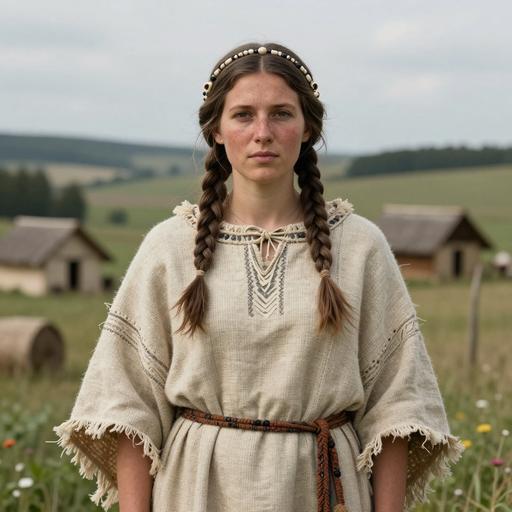
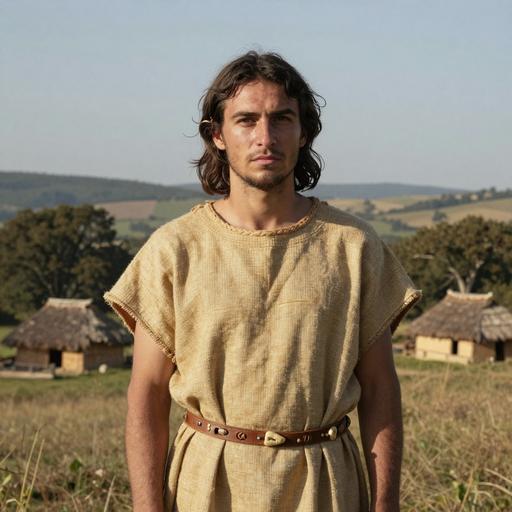
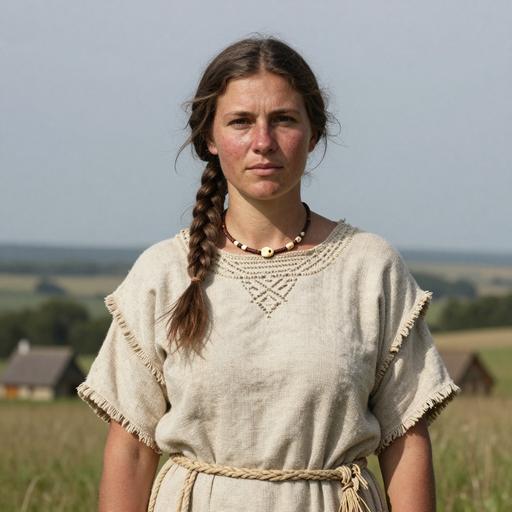
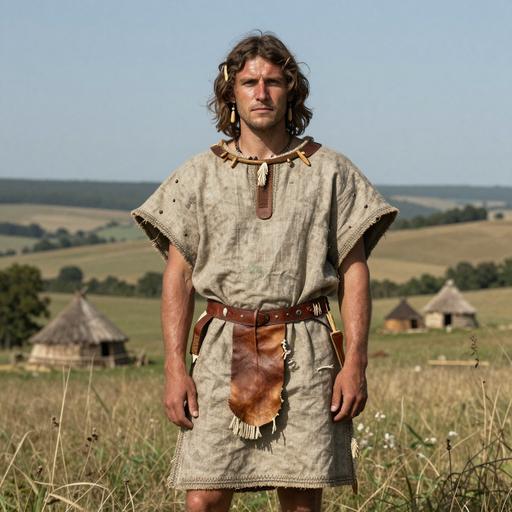
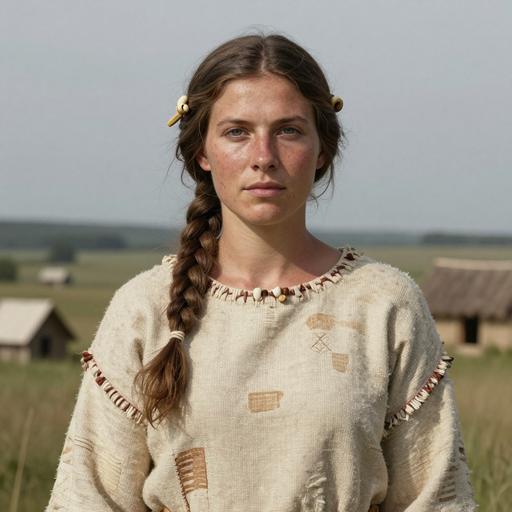
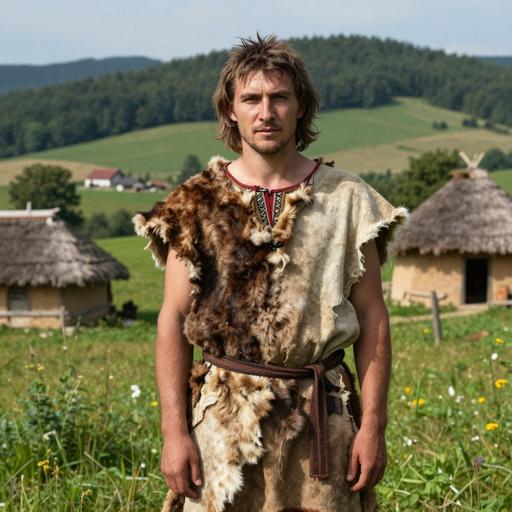
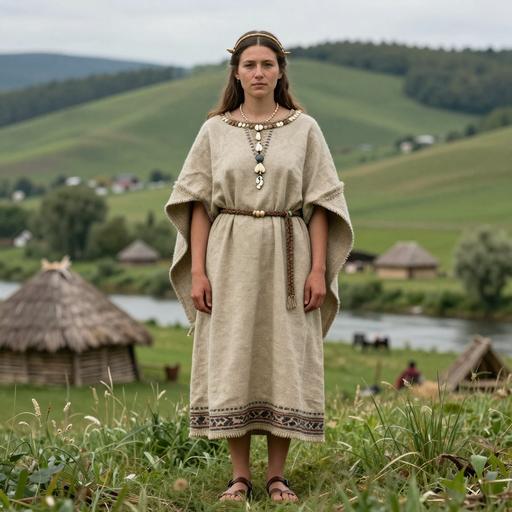
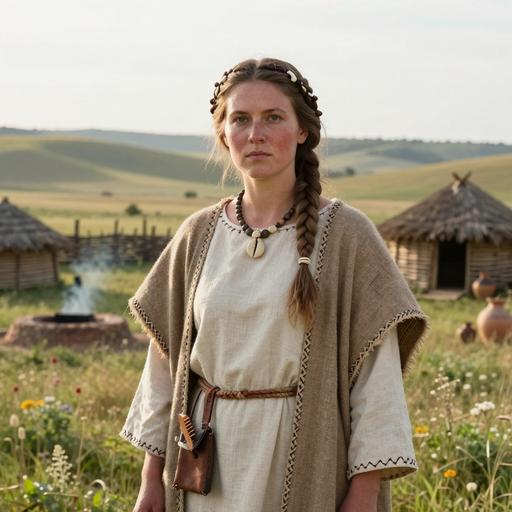
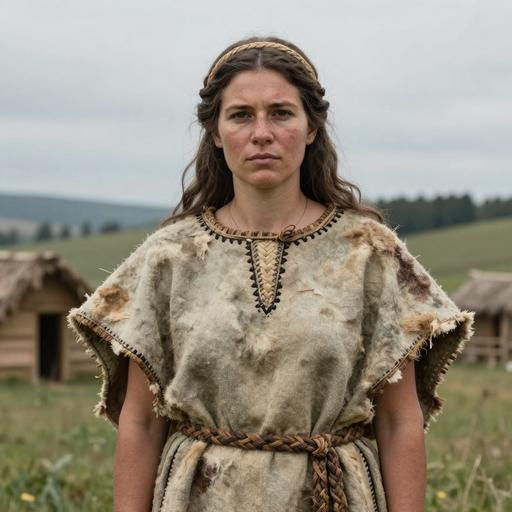
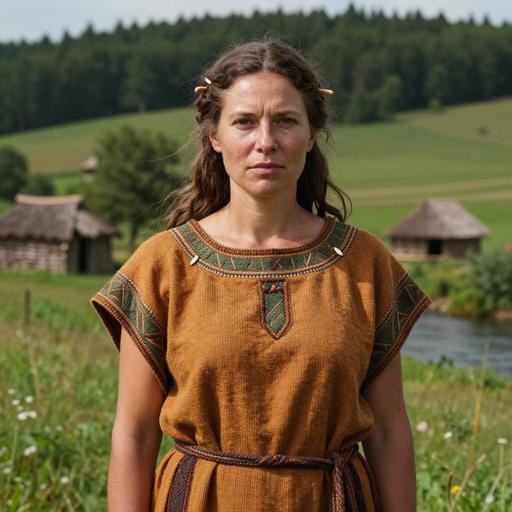
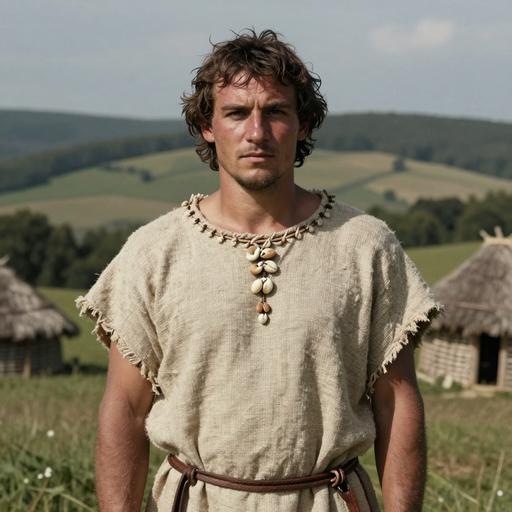
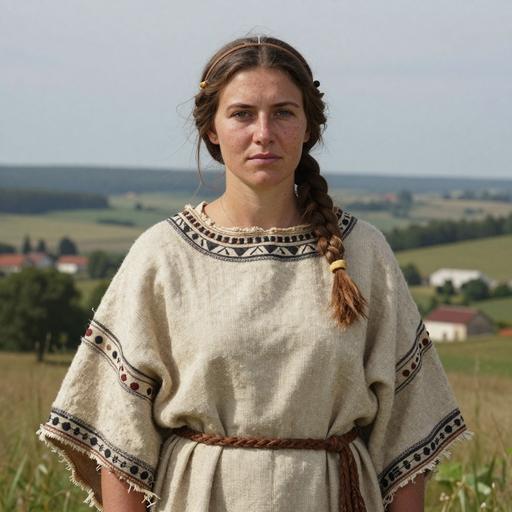
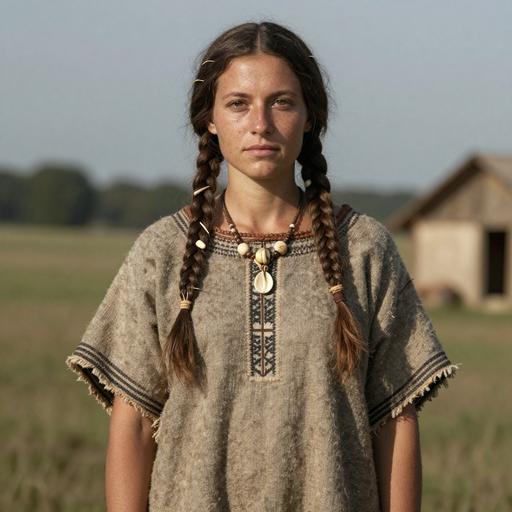
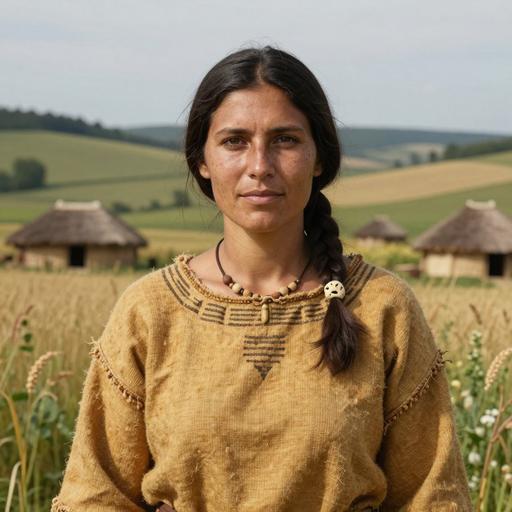
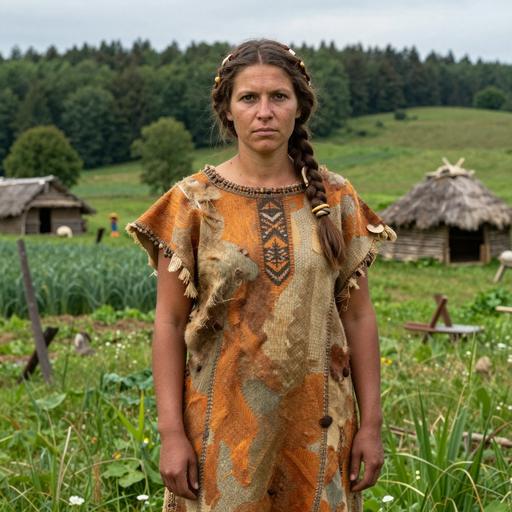
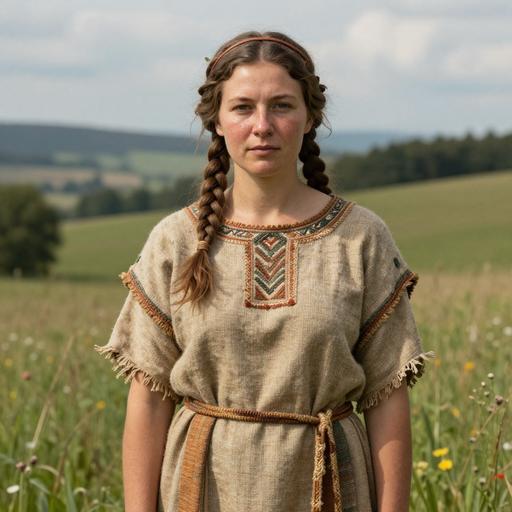
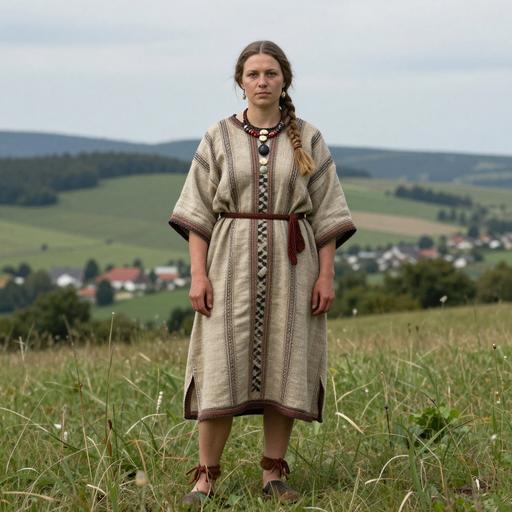
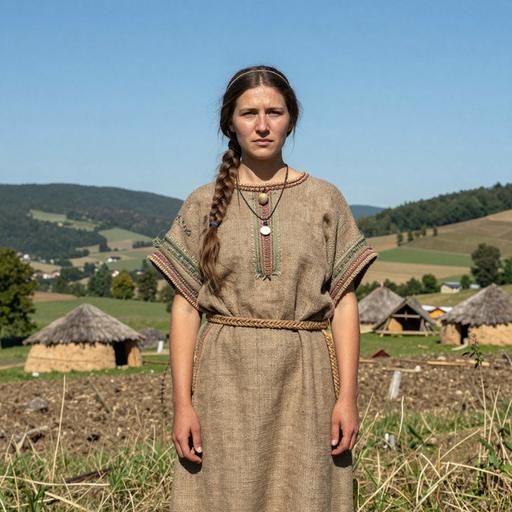
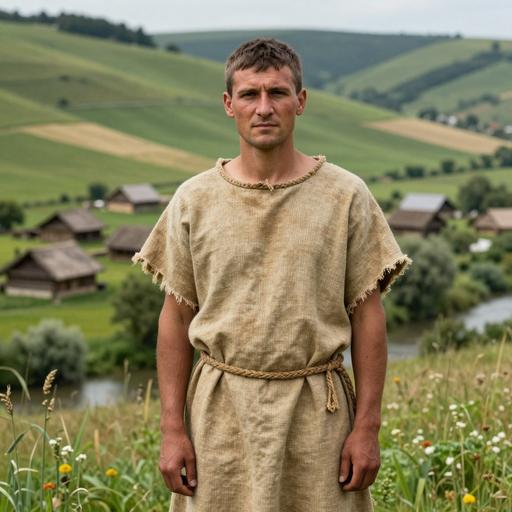
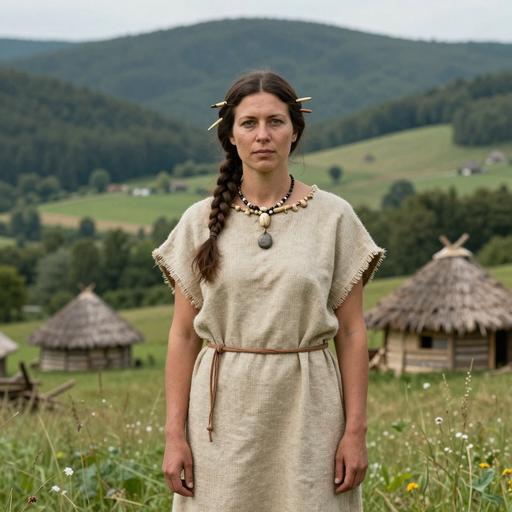
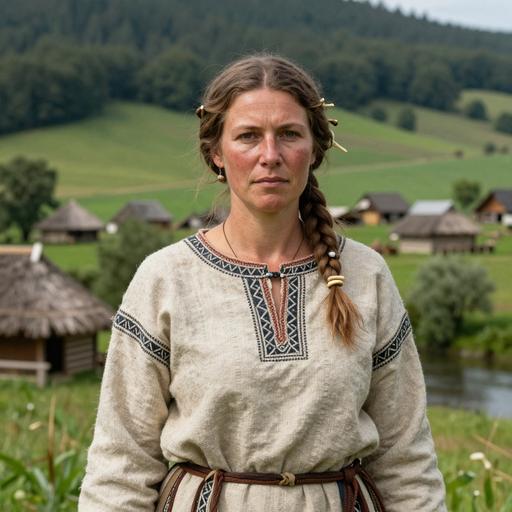
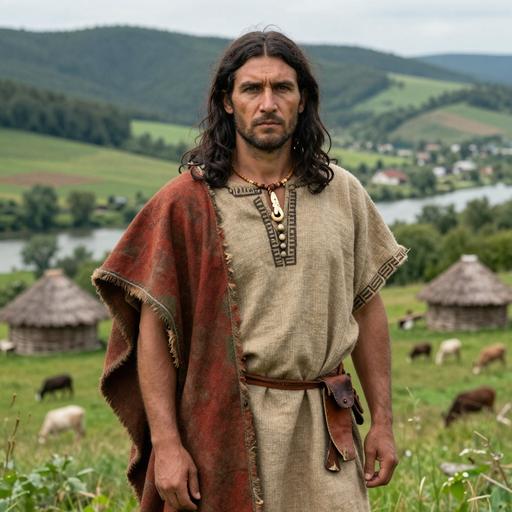
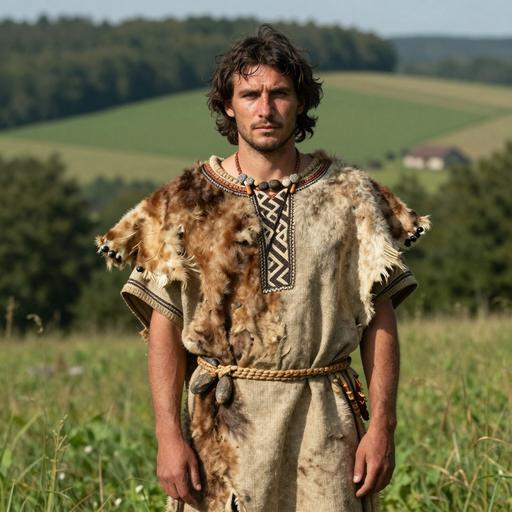
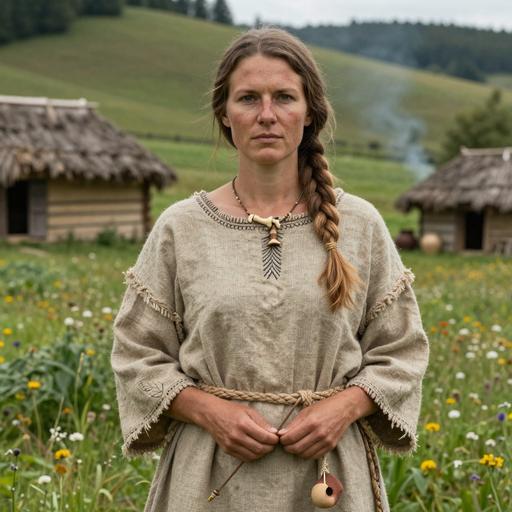
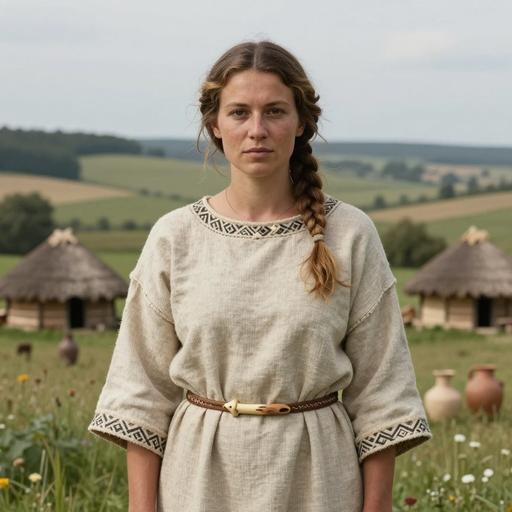
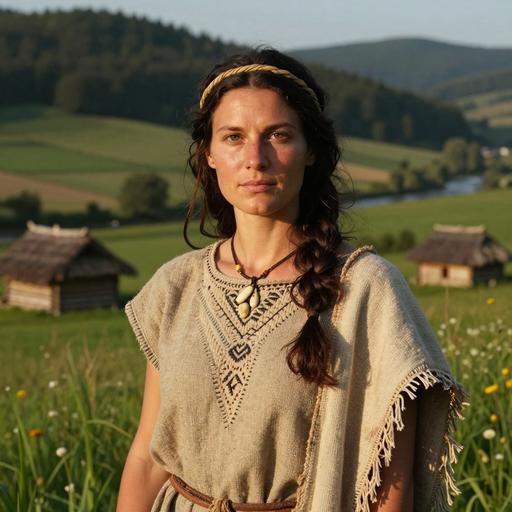
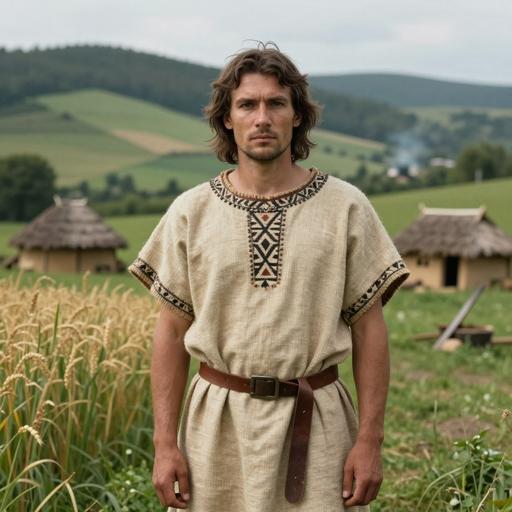
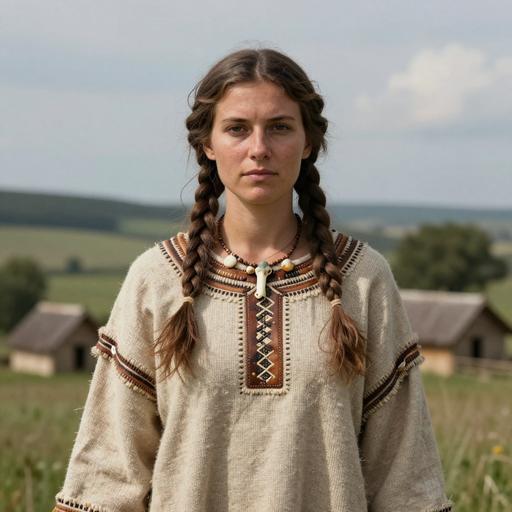
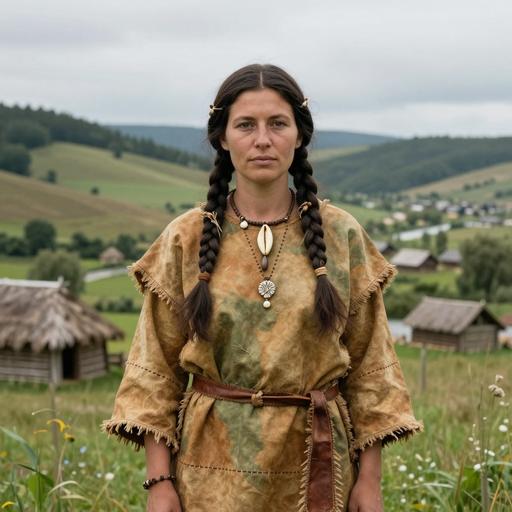
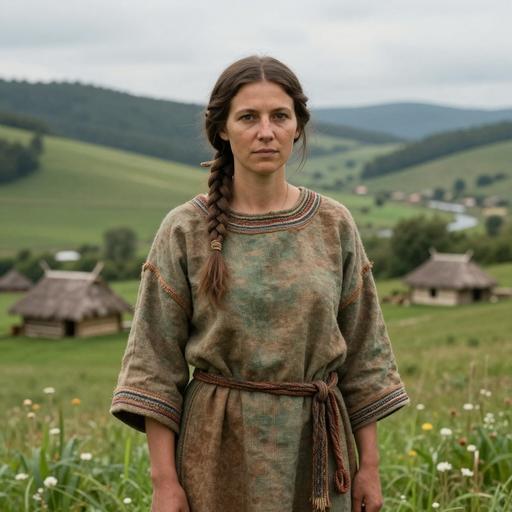
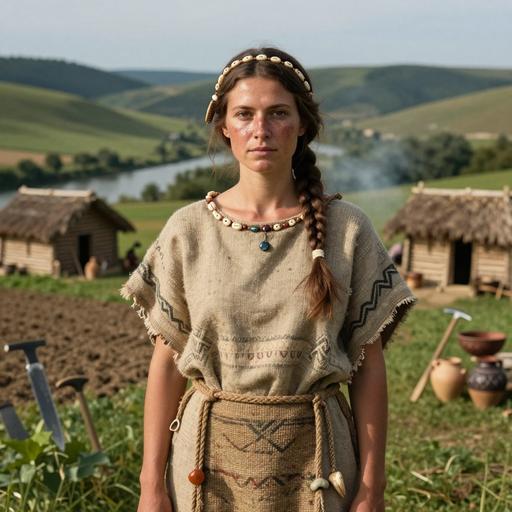
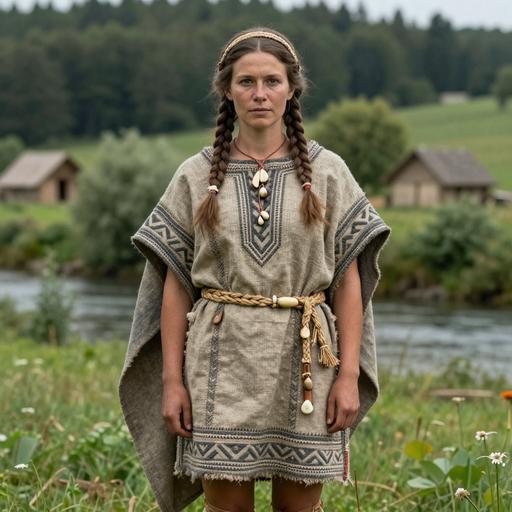
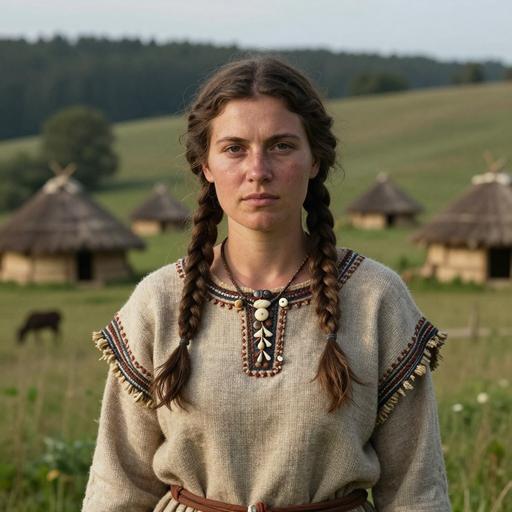
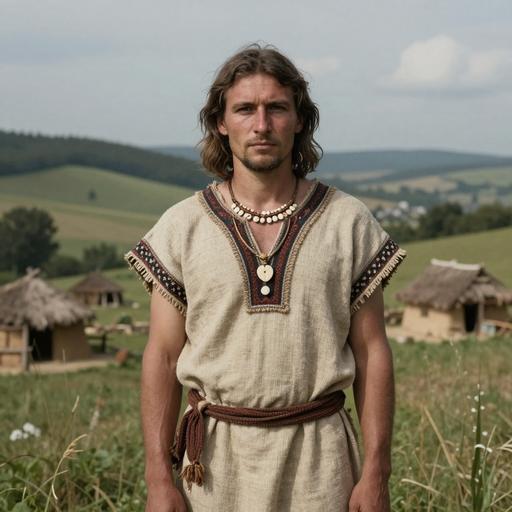
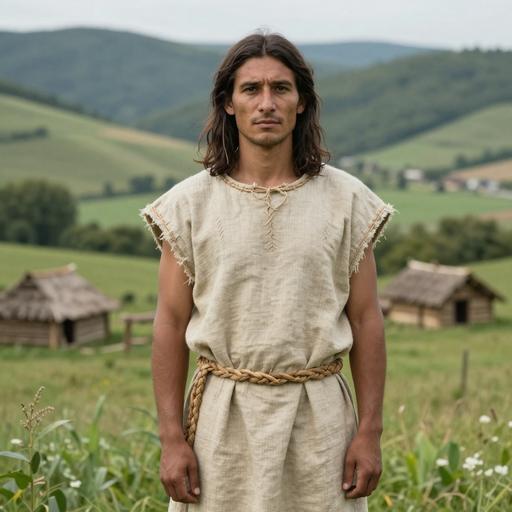
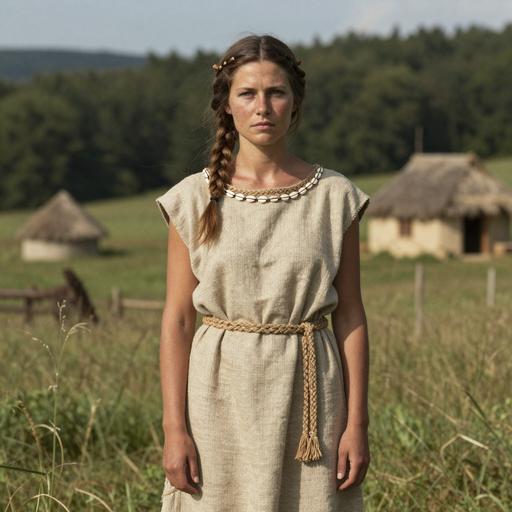
Life for Early European Farmers unfolded around fields, hearths and communal timber longhouses. Archaeological excavations at Nitra and Hatvan-region sites (Apc-Berekalya) reveal foundations interpreted as large, multi-room dwellings; enclosures and pits contain charred cereals, grinding stones and animal bones that testify to mixed farming economies—wheat, barley, pulses, cattle, sheep and pigs.
Pottery styles with linear decoration and cord impressions helped identify exchange networks and craft traditions across the Carpathian Basin. Burial practices vary: simple inhumations near settlements appear alongside secondary deposits in caves such as Mora Cavorso, which also preserves ritual and funerary traces. Lithic and bone toolkits show a blend of polished axes for forest clearance and microlithic tools retained from forager traditions.
Archaeological data indicates relatively low demographic density but sustained land use. Craft specialization may have been limited, and social hierarchy appears muted compared with later Bronze Age polities, though differential grave goods at a few sites hint at emerging status distinctions. Environmental records from river valleys suggest early settlers managed wetlands and loess soils, transforming local ecosystems over generations.
Seasonal rhythms, community cooperation in building and harvesting, and exchange of pottery and raw materials knitted these settlements into broader Neolithic landscapes spanning Slovakia, Hungary and into Italy.