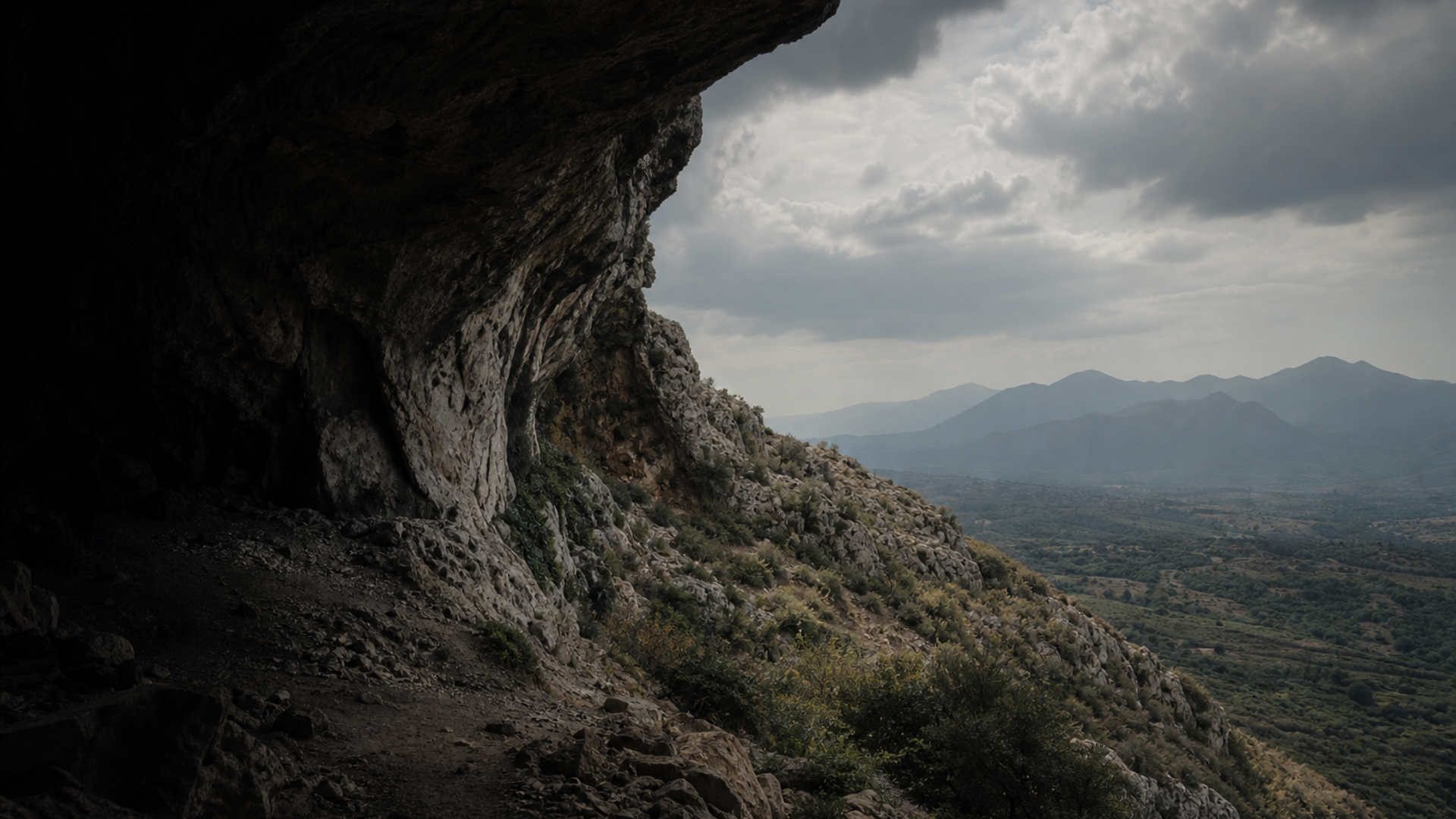
Archaeological traces from La Sassa contexts evoke a life lived on the margins of sea and hill—herds grazed on terraced slopes, fields were tilled in fertile valleys, and caves like Grotta La Sassa were alternately shelter, ritual place, and repository for the dead. Pottery fragments preserved within the site show hand-built and lightly decorated wares consistent with Copper Age domestic assemblages in central and southern Italy. Flint tools and occasional ornaments point to craft specialization at a household level rather than mass production.
Social organization in this period likely revolved around small kin groups or extended households, with seasonal rhythms set by agriculture, herding, and coastal foraging. Burial practices at cave and rock-shelter sites often display variability—some individuals receive formal interment, while others leave more ephemeral traces—hinting at social differentiation or changing ritual norms. Environmental reconstructions for Lazio suggest a patchwork landscape: wooded uplands, cleared arable plots, and access to maritime resources, all shaping mobility, diet, and exchange.
Cinematic in its contrasts—stone hollows filled with quiet graves, pottery caught by lamplight—Grotta La Sassa preserves intimate fragments of daily existence. Yet the archaeological record is partial, and the small number of human remains recovered cautions against broad reconstructions of community life.