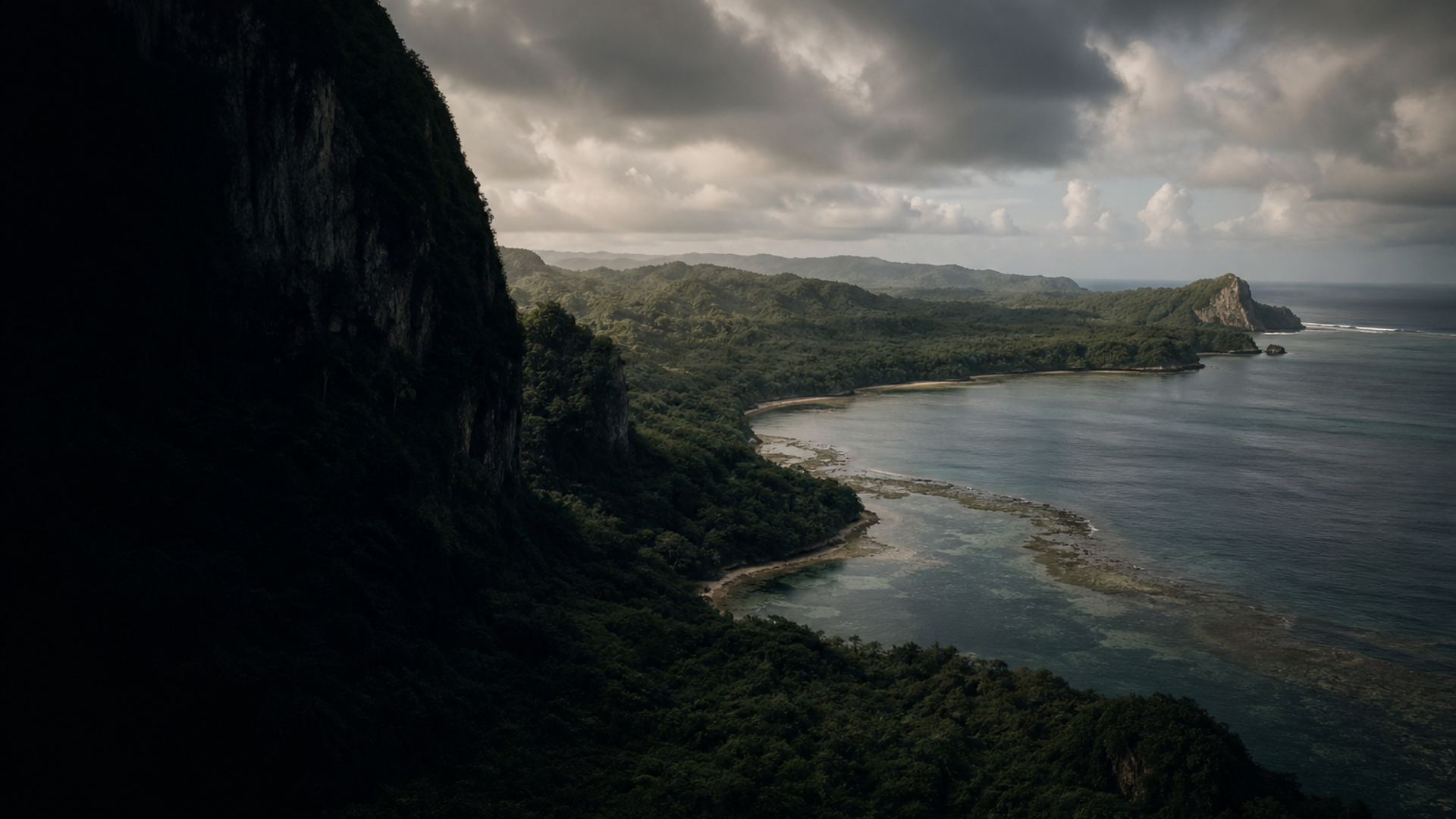
Imagine dawn over Haputo: canoes landing among reef channels, the smell of roasted breadfruit and fish smoke, and the silhouette of paired latte pillars marking family compounds. Archaeological remains — fish bones, shellfish middens, plant macrofossils, and toolkits — reconstruct a mixed maritime and horticultural economy. Taro, breadfruit, and coconut gardens would have complemented reef and pelagic fishing, while traded obsidian or shell ornaments hint at inter-island exchange.
Households organized around latte foundations likely reflected lineage compounds; the labor required to quarry and erect haligi suggests cooperative social organization and status differentiation. Burial practices in the Late Latte period show variation: extended and flexed interments, sometimes placed in cave settings like those at Haputo, suggest a landscape of domestic, ritual, and ancestral places. Spanish-era records and material changes after sustained contact in the 16th–17th centuries point to disruption — introduced diseases, missionization, and colonial reorganization — layered onto long-standing local traditions.
Archaeological data indicate a resilient island lifeway shaped by reef knowledge, garden cultivation, and social ties visible in house architecture and curated objects. Yet many aspects of daily social organization — marriage rules, precise craft specialization, and the role of voyaging in identity — remain only partially illuminated by the material record.