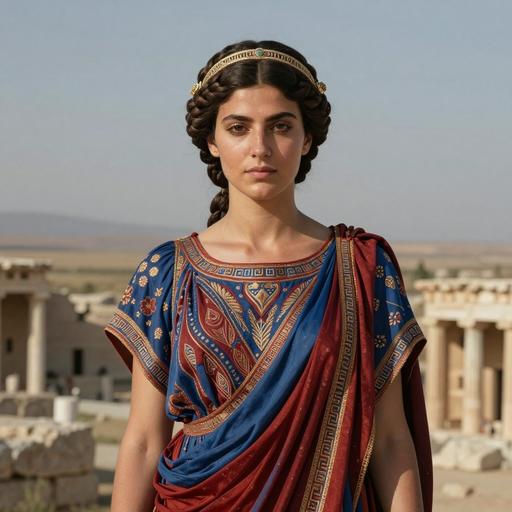
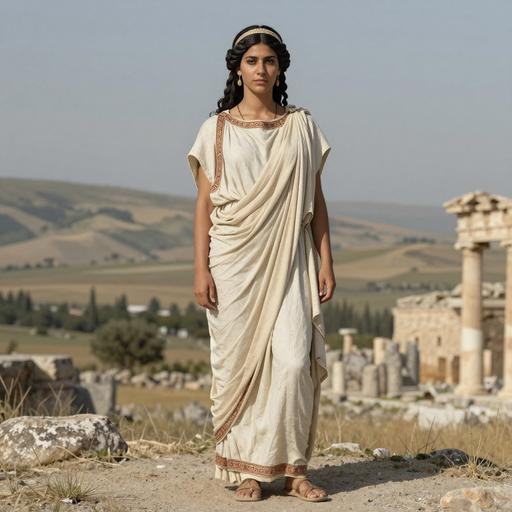
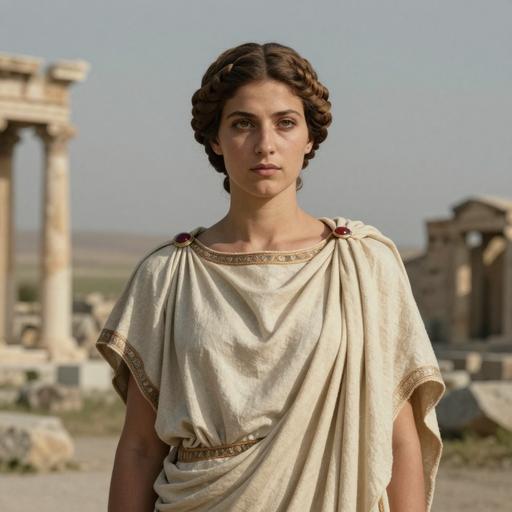
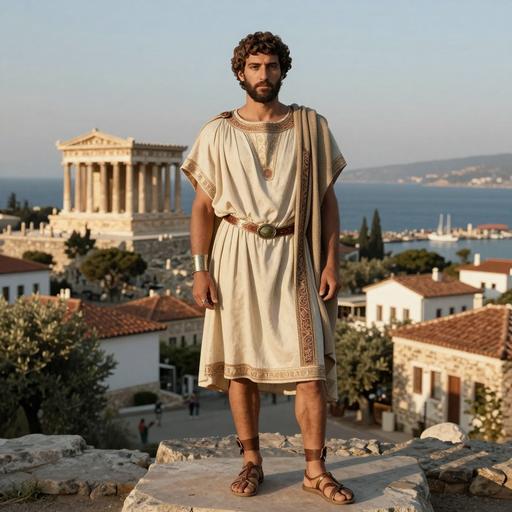
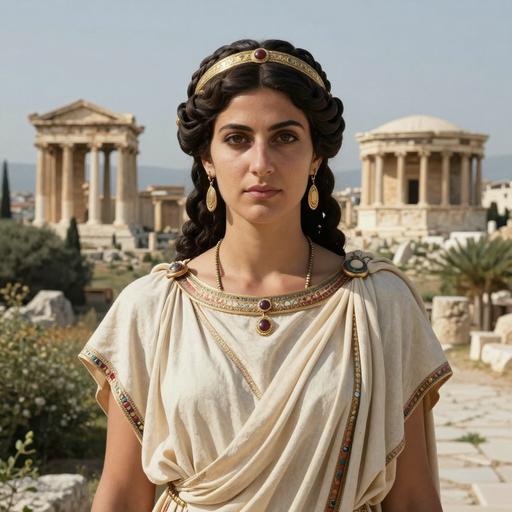
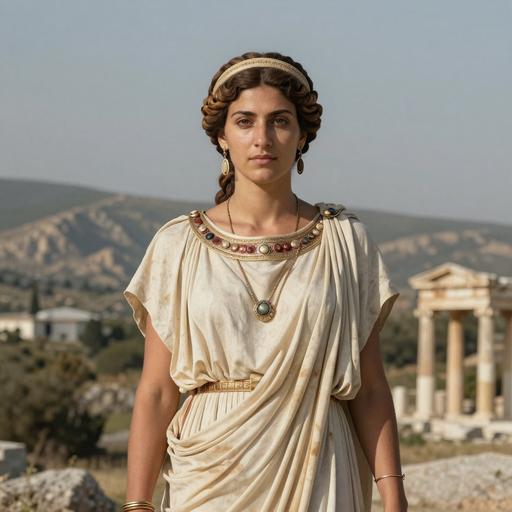
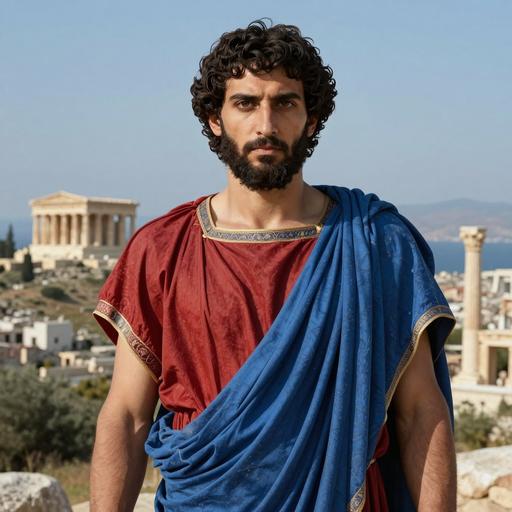
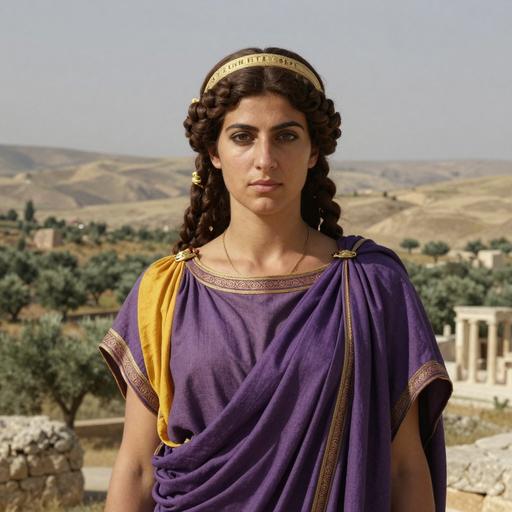
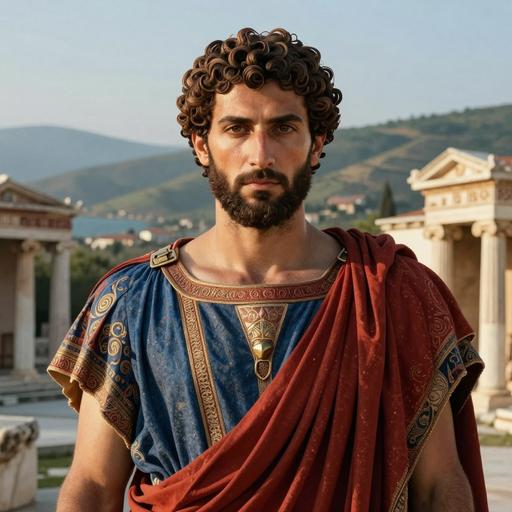
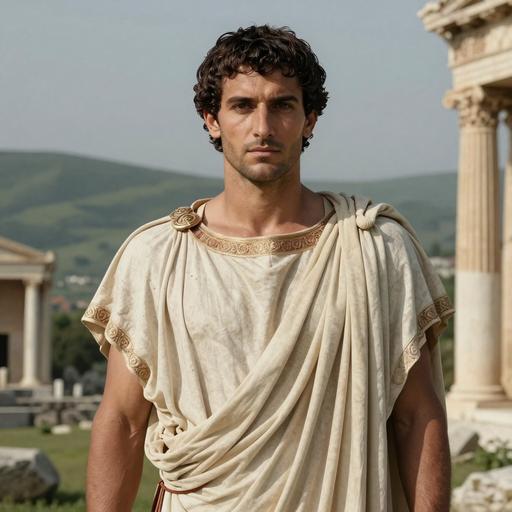
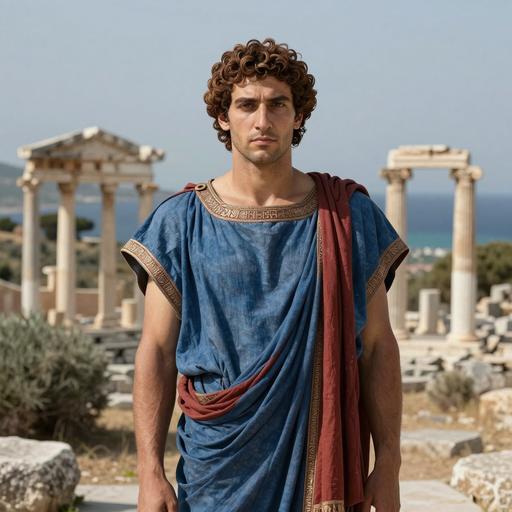
The Hellenic civilizational horizon sampled here (512 BCE–60 CE) unfolds as a tapestry woven from Classical Greek institutions and the political dispersal that followed Alexander the Great. Archaeological contexts — urban quarters, necropoleis and fortress burials — recorded at Halikarnassos (Bodrum), Gordion (Ankara), the southwest necropolis at Marvinci‑Valandovo (North Macedonia), and the necropolis of Teishebaini at Karmir Blur (Armenia) testify to Greek-style urbanism, funerary customs, and mercantile exchange across Anatolia, the Levant and the southern Caucasus.
Material culture shows both continuity with local traditions and deliberate Hellenic visual vocabularies: Greek inscriptions, Hellenistic coinage and imported fine ware appear alongside locally produced ceramics and regional burial architectures. Archaeological data indicates that Hellenistic political entities — from Ptolemaic Egypt to Hellenistic Armenia and coastal city‑states in Turkey and Lebanon — created corridors for people, goods and ideas.
Genetically, the sampled individuals (n=37) are best understood as products of layered ancestry: long‑standing Anatolian and Balkan populations blended with incoming elements from the Levant, the Caucasus and wider Mediterranean networks. Limited evidence suggests male mobility was episodic and often tied to military, mercantile, or administrative movements, while maternal lineages reflect deep regional continuity. Where the number of samples from a single site is small, archaeological and genetic interpretations remain provisional.