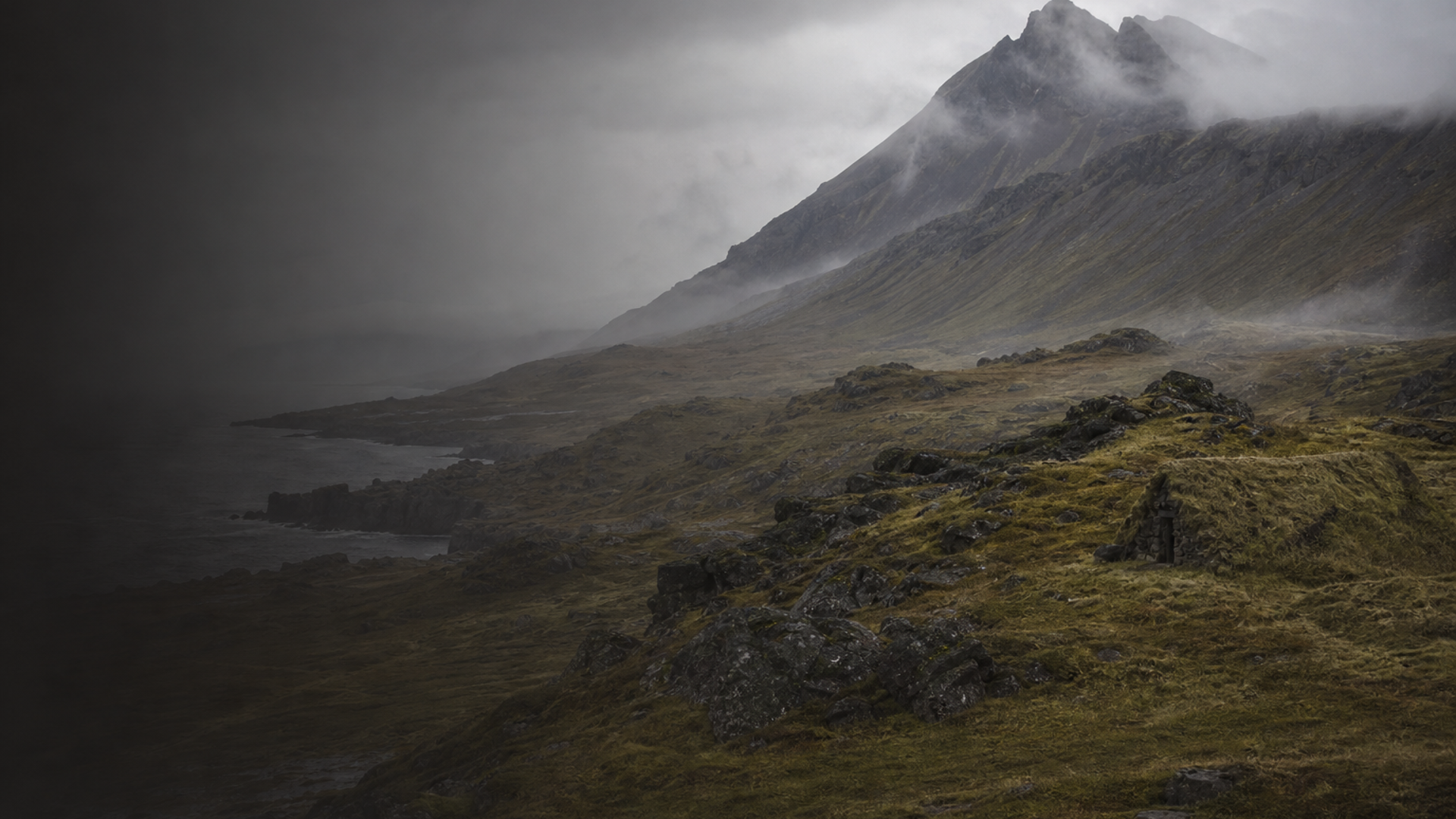
Everyday life in Early Christian Iceland balanced austerity and connection: clustered farmsteads, coastal activity, and visits to the assembly sites that anchored legal life. Archaeological excavations at rural sites reveal turf foundations, hearths, storage pits, and middens rich with fish bone and domestic waste—evidence of a diet weighted toward marine and pastoral resources. Church sites and adjacent cemeteries became focal points for community identity, ritual observance, and the recording of disputes.
Material culture—metalwork, pottery fragments, bone tools—reflects long-standing Norse craft traditions with occasional imported wares that testify to North Atlantic trade networks. Written sources, like the sagas and laws, document the Althing at Þingvellir as a social and judicial epicenter; archaeology around Fossvellir corroborates ritualized landscape use.
Kinship shaped landholding and social rank. Burial goods and grave orientations at the sampled sites show Christian mortuary customs, yet regional variation persisted. Combined archaeological and genetic approaches can illuminate household composition, patrilineal descent, and mobility, but here the genetic sample is too small to draw firm conclusions about inheritance or social stratification across the island.