Dawn of Farming in the Carpathian Basin
Early European Farmers (5800–4786 BCE): settlements, pottery, and the genetics of migration
DNA Spotlights · Ancient and Historical Cultures
Download PDF creates a visual, rasterized copy. Use Print for selectable text and better assistive-technology support.
Explore the places, time periods, and published research behind ancient DNA samples and the cultures associated with them.
Browse the collection1–12 of 71 spotlights
Early European Farmers (5800–4786 BCE): settlements, pottery, and the genetics of migration
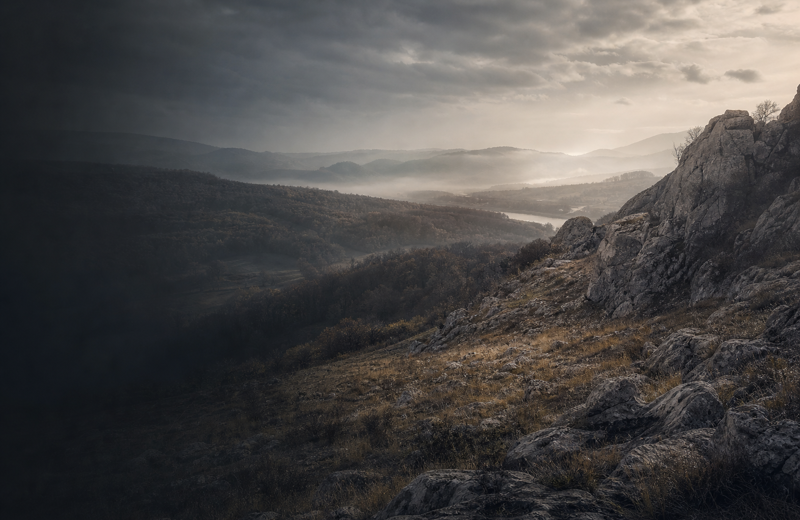
A Carpathian Basin arc (6069–831 BCE) where archaeology and ancient DNA converge
Coastal foragers of Tierra del Fuego, seen through middens and mitochondrial lineages
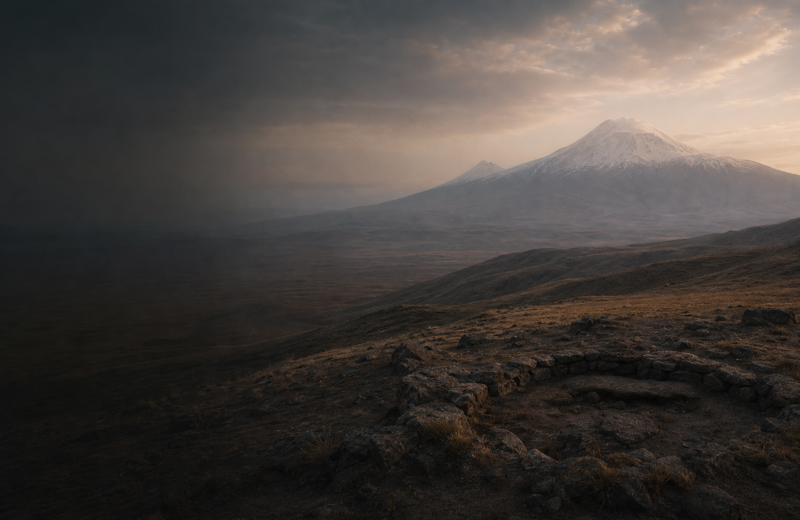
A single Neolithic voice from Masis Blur, Armenia (c.5633–5532 BCE)
Ancient coastal lifeways and genetic echoes before European contact
Two Upper Paleolithic voices from Austria revealing hunter-gatherer lifeways and genetics
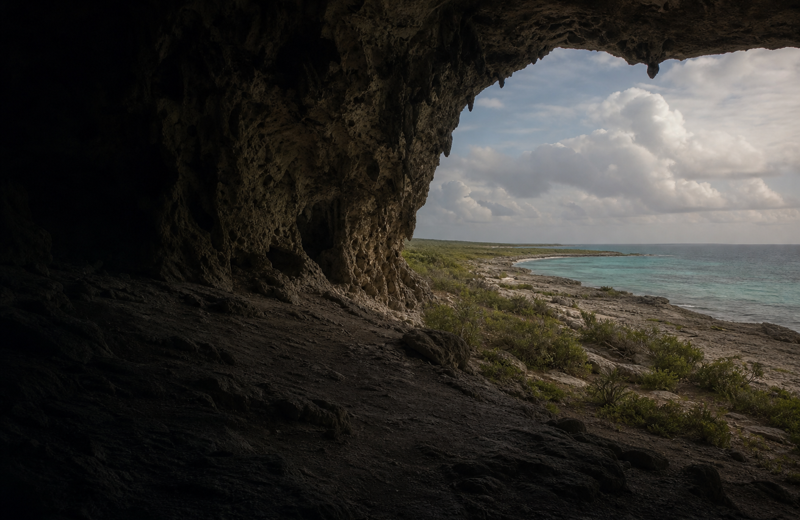
A Late-1st-millennium burial from Preacher's Cave ties Bahamian life to wider Arawakan movements
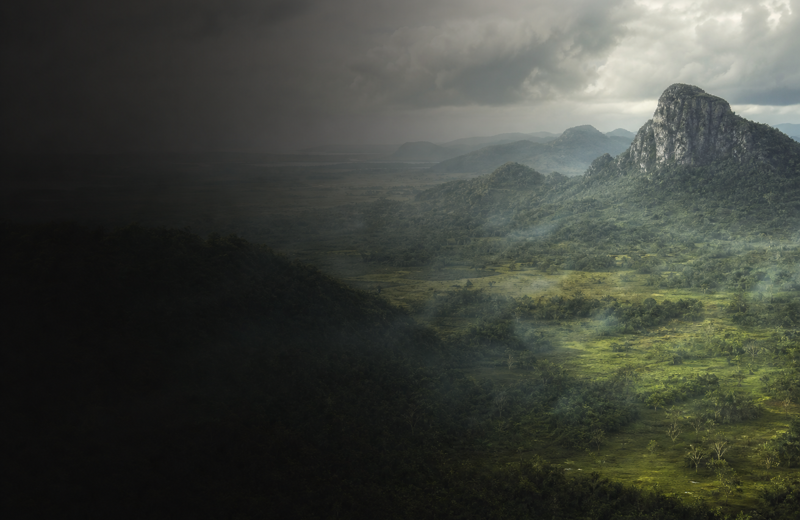
A lone voice from Mayahak Cab Pek linking early Belize to wider Native American maternal lineages
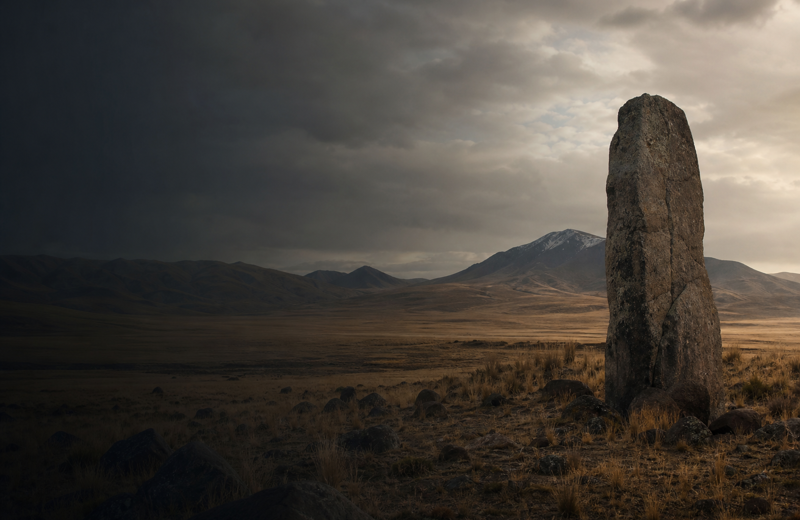
A single genomic signal from a high-altitude monolith illuminates Tiwanaku-era lives
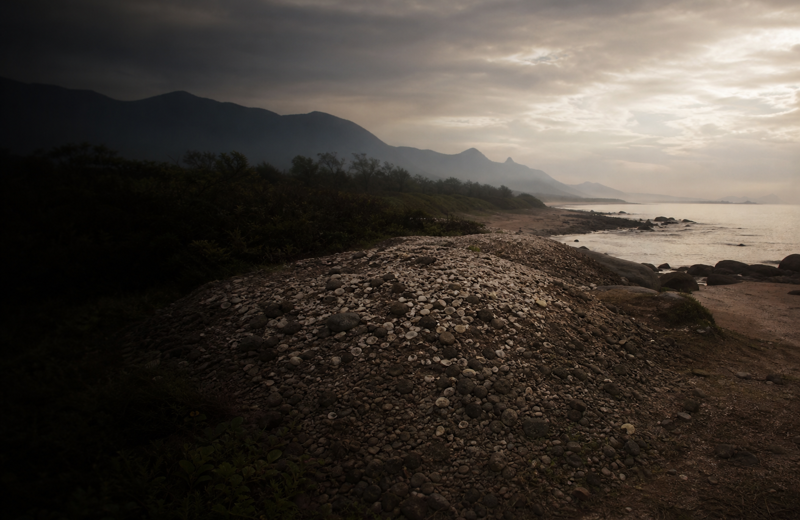
One ancient genome from a SE Brazilian shell mound hints at coastal foragers and deep Native American roots
A lone genome from central Brazil opens a window onto coastal life c. 7300–7050 BCE.
Voices from the Lake: people of the Tiwanaku heartland, 650–1200 CE
Our guides explain the methods we use, from population comparisons to matching segments of DNA.