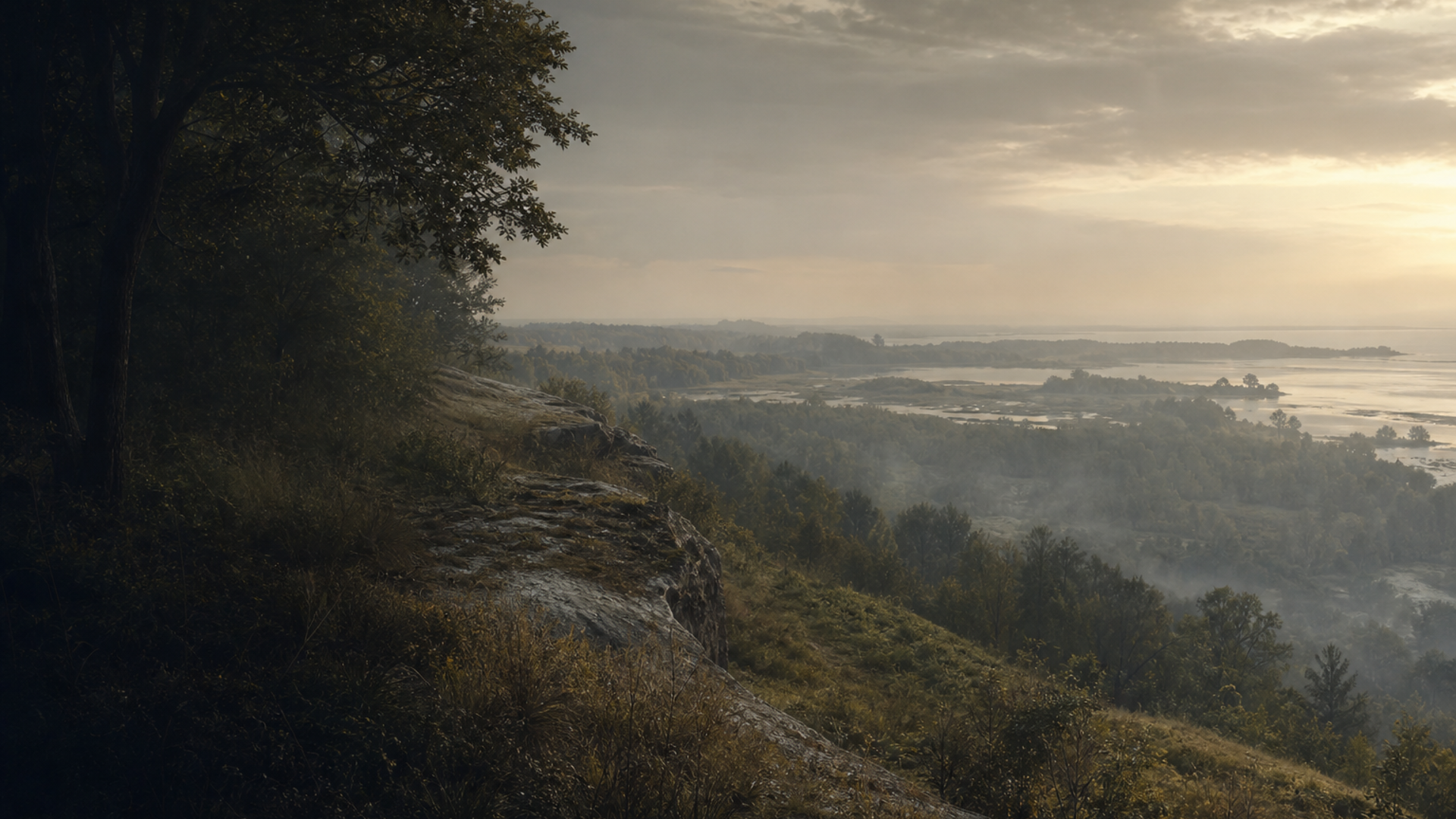
Archaeological traces from southwestern Ontario paint a cinematic picture of seasonal rounds: families and small groups exploiting rivers, wetlands and woodlands for fish, migratory birds, and terrestrial game. Stone tool scatters, ephemeral hearths and organic remnants in similar regional sites indicate a focus on mobility, diversified subsistence, and intimate knowledge of local ecologies. At Lucier, stratigraphic assemblages suggest recurring campsite activities rather than dense, long-term sedentism.
Social organization inferred from material culture tends toward flexible band structures, with kin networks organizing resource sharing and seasonal aggregation. Craft specialization appears limited but skilled: flaked stone tools, bone implements and evidence for hide and plant processing reflect technological responses to a variable environment. Burial practices and mortuary variability at comparable sites show both localized traditions and individual variation, hinting at fluid social identities over time.
Archaeological data indicates continuity in land use strategies across centuries, while episodic technological and stylistic shifts likely reflect intergroup contact and resource-driven adaptations. Genetics adds texture to this portrait by anchoring lineages in place, but the small sample count tempers broad social reconstructions.