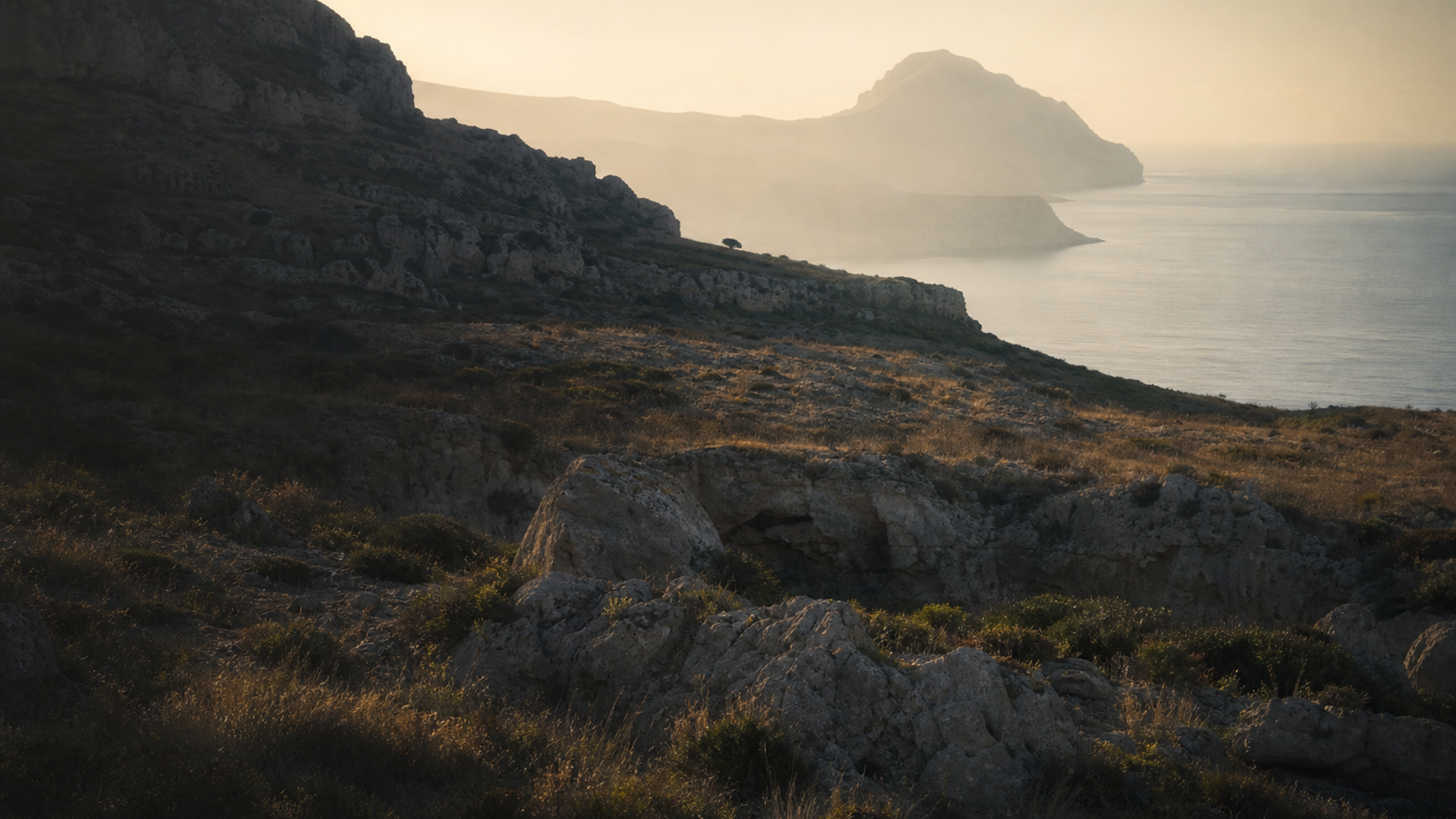
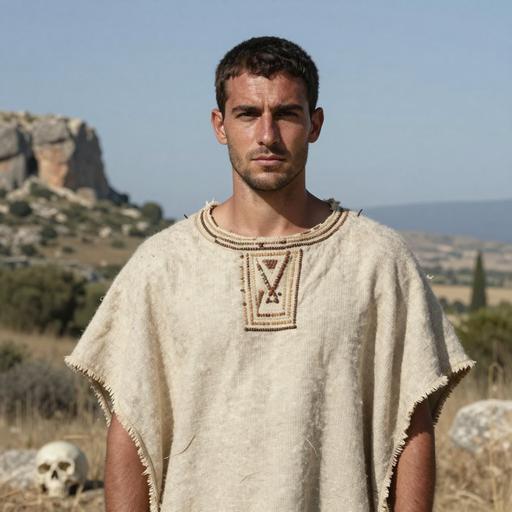
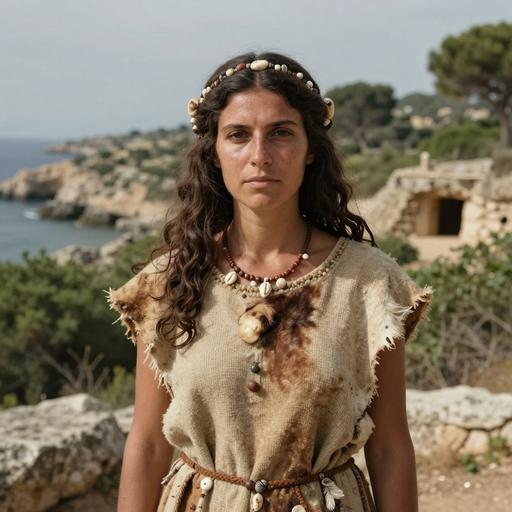
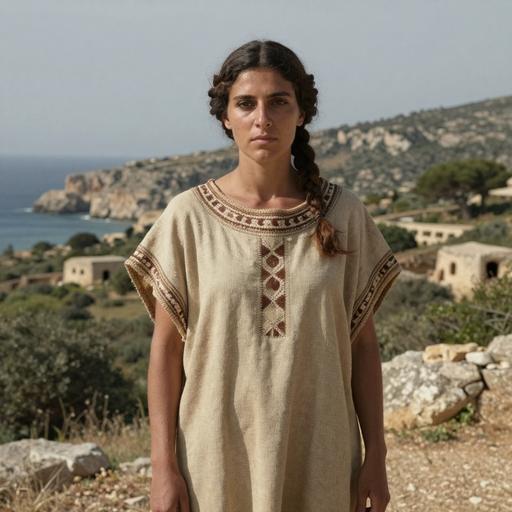
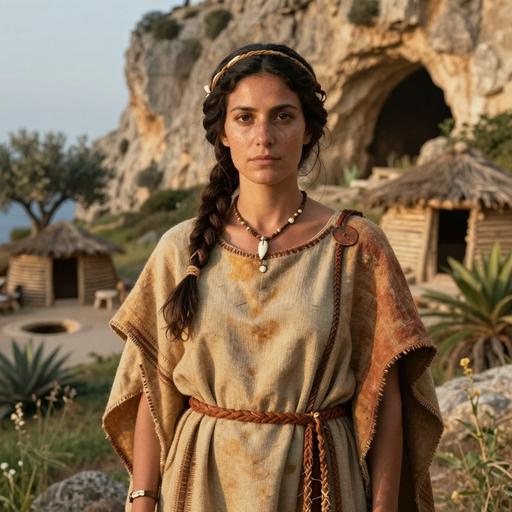
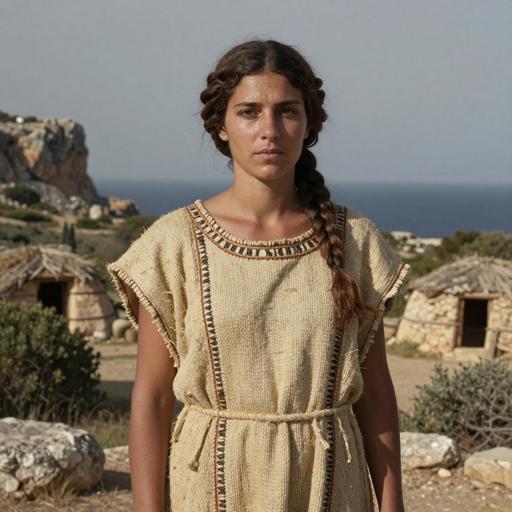
The dataset of 50 individuals provides a regional genetic snapshot of Neolithic maritime Europe. Broadly, the ancestry profile is consistent with Anatolian Neolithic farmer-derived genomes dispersing westward into the Mediterranean, accompanied by varying degrees of local hunter‑gatherer admixture. Y‑chromosome results show a plurality of G haplogroups (7 samples), commonly associated with early farming populations in Europe, alongside haplogroups I and C (3 each) and smaller counts of H and J—signaling either local male-line diversity or later inputs.
Mitochondrial DNA is dominated by haplogroups K (12) and U (10), with notable N, H and J lineages. Maternal lineages reflect both farmer-associated matrilines (K, N) and persisting hunter‑gatherer signals (some U subclades). Archaeogenetic patterns suggest that across sites—Sardinia (Anghelu Ruju, Ossi Noeddale), Sicily (Fossato di Stretto Partana), Croatia (Zemunica Cave) and Gibraltar (Europa 1)—communities share a common farmer-derived backbone but vary in local WHG (Western Hunter‑Gatherer) contributions.
Temporal trends in other Neolithic contexts show increasing hunter‑gatherer ancestry over centuries; limited evidence here hints at similar dynamics, but more dense temporal sampling is needed. Because the sample size is moderate overall (n=50) but uneven by site, specific local inferences should be considered preliminary where fewer than ~10 individuals represent a location.