


Chapter I
The Story
Understanding the Mondújar Nazari Community (1500s) culture
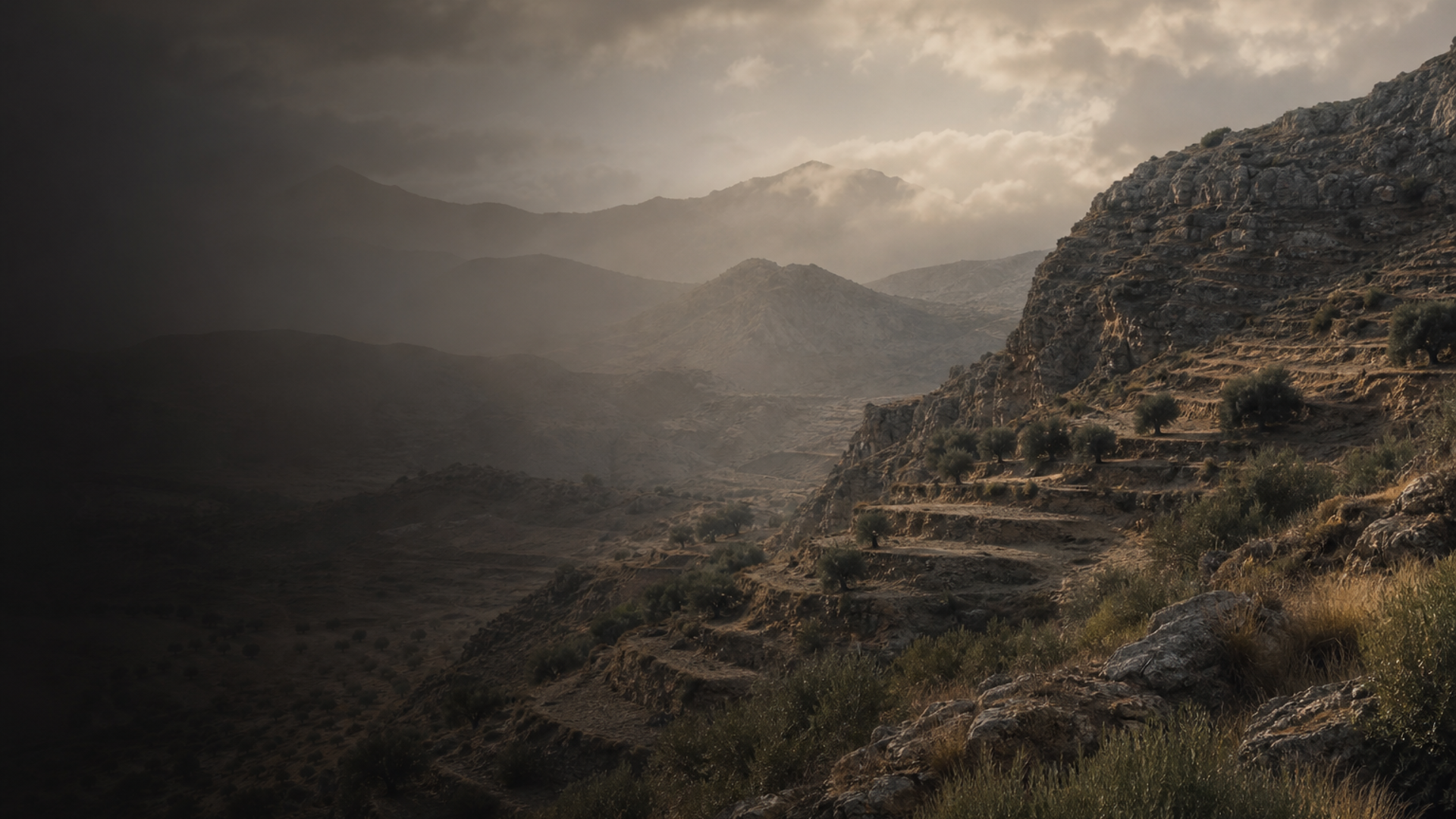
Archaeological and genetic evidence from Mondújar (Lecrín) and Torna Alta (Granada) paints a picture of a small, mixed Muslim community in 1500–1600 CE. Limited samples suggest Iberian, North African, and occasional sub‑Saharan maternal ancestry.
Time Period
1500–1600 CE (post‑Nasrid/Muslim Spain)
Region
Andalusia, Spain (Granada: Mondújar, Torna Alta)
Common Y-DNA
R (2), E (1), CT (1) — 4 males sampled
Common mtDNA
U (3), H (2), H1 (1), L (1), W6a (1) — 8 individuals





