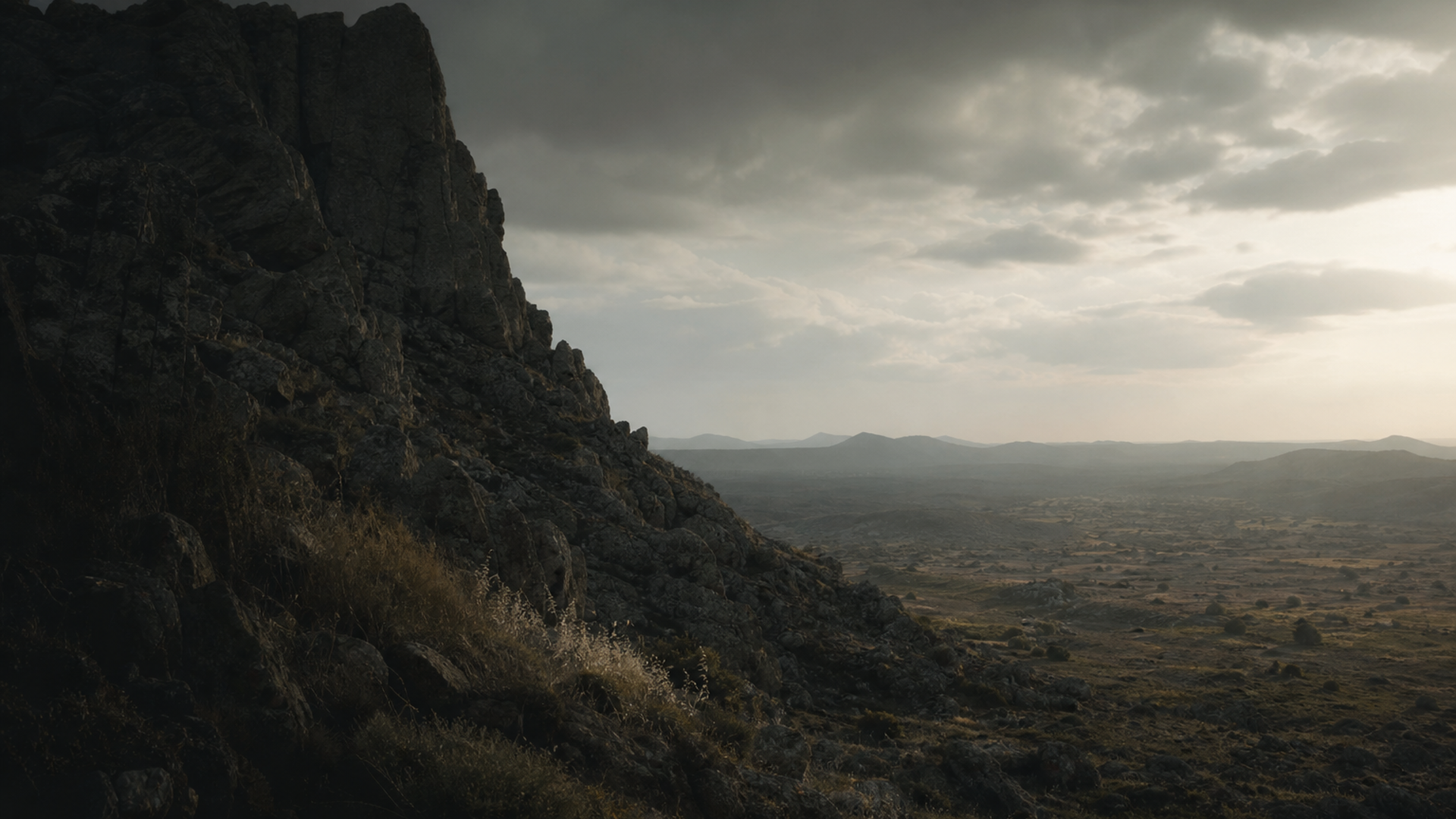
In the fertile pockets and rugged hills of Sardinia, Monte Claro communities likely balanced cultivation, herding, and coastal resources. Archaeobotanical and zooarchaeological trends across Sardinian Chalcolithic sites point to mixed farming—wheat, barley, pulses—and the management of sheep, goats, and cattle. At Serra Cabriles, burial contexts and associated artifacts imply households invested in both domestic craft and communal ritual.
Craft production—ceramics with complex decoration, stone tools, and traces of copper-working—speaks to skilled artisanry embedded in everyday life. Pottery styles can indicate social networks: shared forms and motifs across settlements suggest interaction and perhaps kinship ties spanning valleys. Architecture ranged from small farmsteads to larger, more permanent settlements; however, the preservation and excavation record is uneven, making settlement hierarchy difficult to map precisely.
Burials convey social values: collective tombs and differentiated grave goods hint at varying status or roles, but interpreting these patterns demands caution. Ethnographic analogies and regional comparisons can enrich interpretation, yet the archaeological record at Serra Cabriles remains partial. Overall, Monte Claro daily life appears rooted in resilient subsistence economies, localized craft specialization, and emergent social differentiation—threads that would weave into Sardinia’s later Bronze Age tapestry.