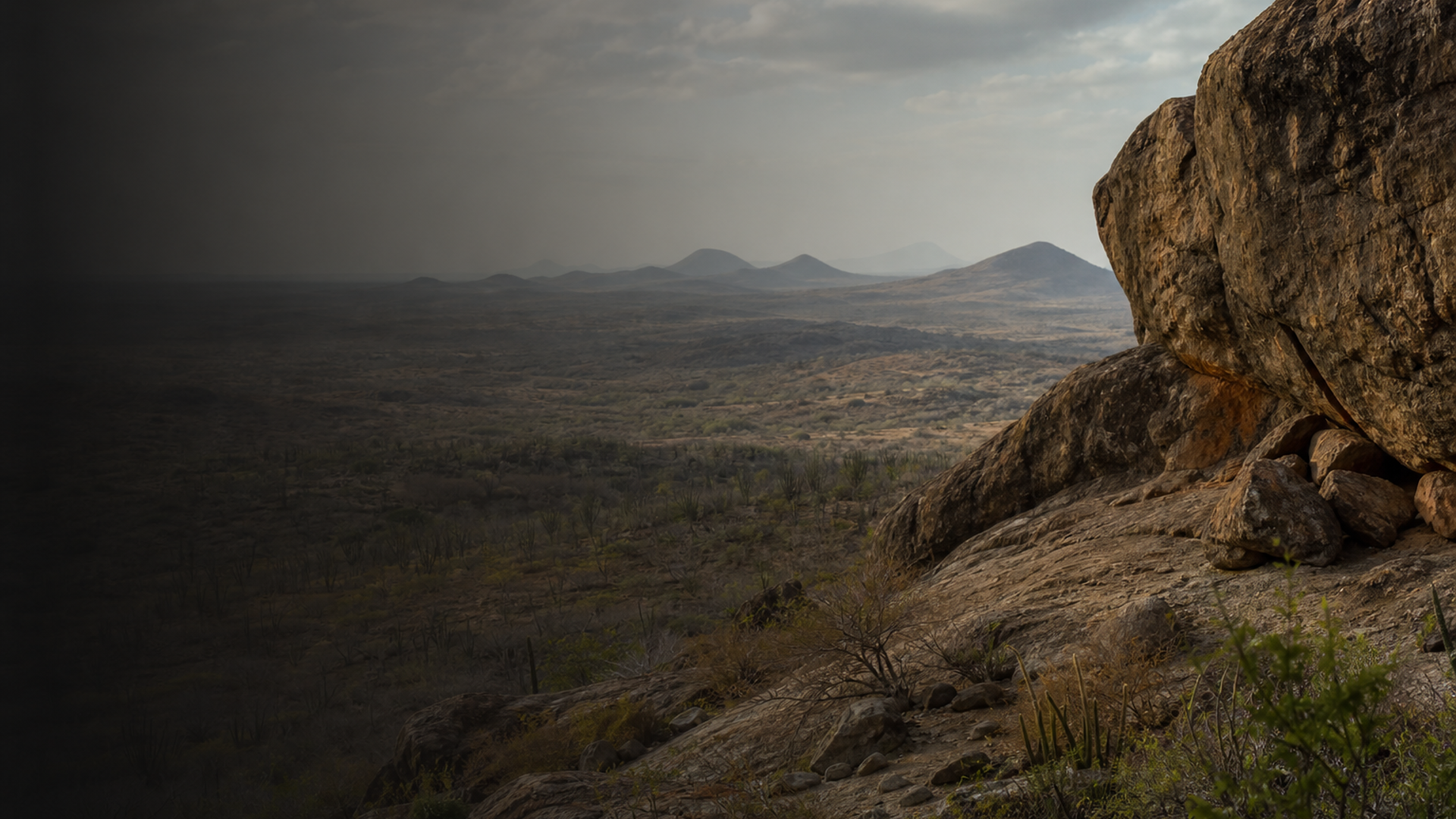
Imagine a shoreline at sunrise: people moving between mangroves, shallow lagoons and dune-backed scrub to harvest shellfish, set fish traps, and gather tubers and fruits. Archaeological data from similar Archaic contexts in northeastern Brazil indicates diets rich in marine and freshwater protein, supplemented by wild plants. Material culture in the region tends toward expedient lithic tools — blades, scrapers and groundstone for processing — and personal adornment made from shell and bone, though preservation varies by site.
Social organisation for such groups is inferred rather than directly observed. Mobility and seasonality likely structured kin networks, with small group sizes and flexible territorial use. Symbolic life — ornaments, pigment use, mortuary variability — appears in related sites, suggesting identity and social ties expressed through material means. However, because this dataset represents a single individual and the broader site assemblage is limited, reconstructions of household composition, leadership and long-range exchange must remain cautious. The archaeological picture is evocative but incomplete.