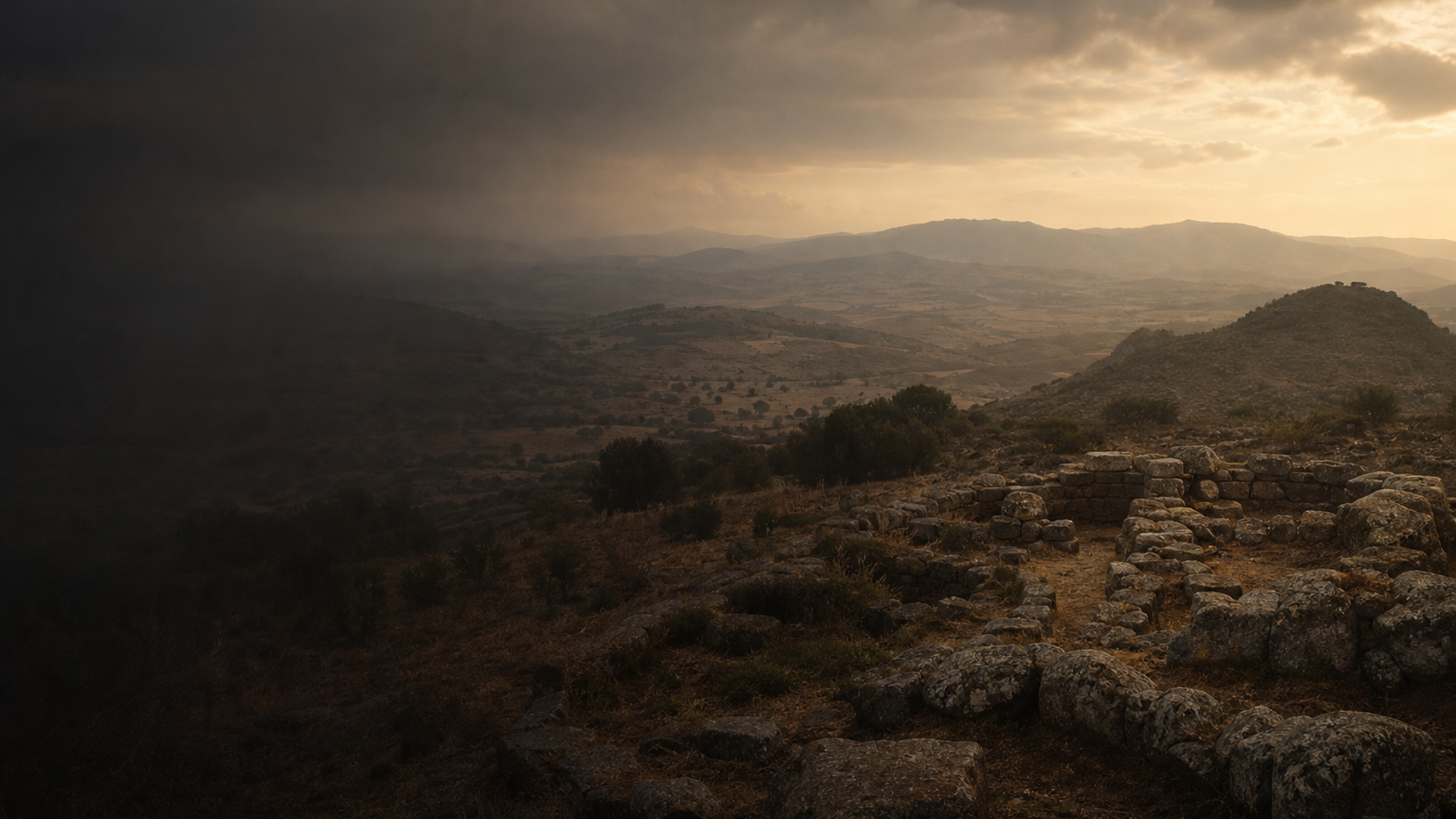
Archaeology offers fragments of everyday existence: pottery forms that trace trade routes, burial rites that reflect social identities, and tools that speak to agriculture, craft, and seafaring. At Villamar, the funerary remains recovered in Punic-phase layers suggest communities negotiating new economic and social ties — perhaps local Sardinian families engaging with Punic traders, settlers, or allied groups.
Material culture alone cannot tell the whole story, but when paired with genetic data it paints a more cinematic tableau. The mixing of maternal haplogroups associated with European farmers and a lineage often linked to North African connections implies households with varied ancestries. Such diversity could reflect marriages across communities — local Sardinians, Punic colonists from the Phoenician world, and maritime intermediaries — producing a social landscape where identities were layered and fluid.
Archaeological indicators — craft specialization, imported amphorae, and settlement layouts in similar Sardinian sites — suggest a society engaged in Mediterranean exchange, where agricultural ties inland met maritime commerce offshore. Yet archaeological preservation and the limited number of analyzed genomes mean these reconstructions remain provisional.