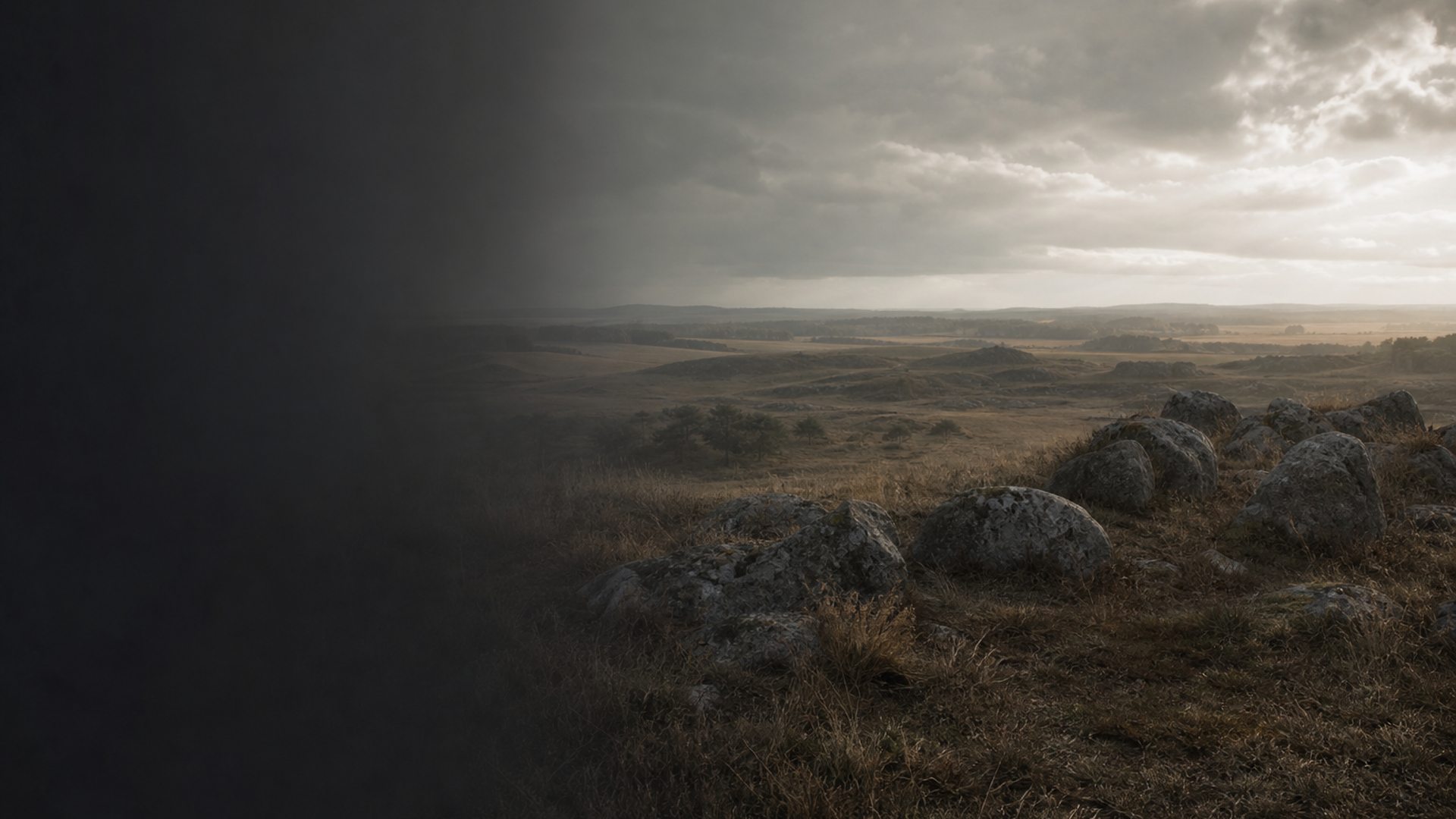
Archaeological traces paint a tactile picture of everyday life: communities cultivating small cereal plots, tending sheep and cattle, and shaping clay into the funnel-necked vessels that define the TRB repertoire. Settlement features in contemporaneous Swedish sites show timber longhouses and activity areas for food processing; while at funerary locations like Rossberga/Rössberga, stone settings and burials anchor social memory in place.
The material record implies a mixed economy — crop cultivation alongside continued use of wild resources — and social landscapes organized around kinship and ritual. Communal monuments and shared burial customs suggest group identities reinforced through collective acts of remembrance. Tools and pottery styles indicate craft specialization and long-distance exchange networks across southern Scandinavia. Nevertheless, local variation would have been substantial: micro-regional adaptations to soil, sea access, and seasonal mobility likely shaped daily rhythms.
Because archaeological sampling is uneven, specific household organization at Rossberga remains partly speculative. The three sampled individuals offer snapshots rather than full biographies, but when combined with regional archaeology they contribute to a richer, more intimate view of Neolithic lifeways.