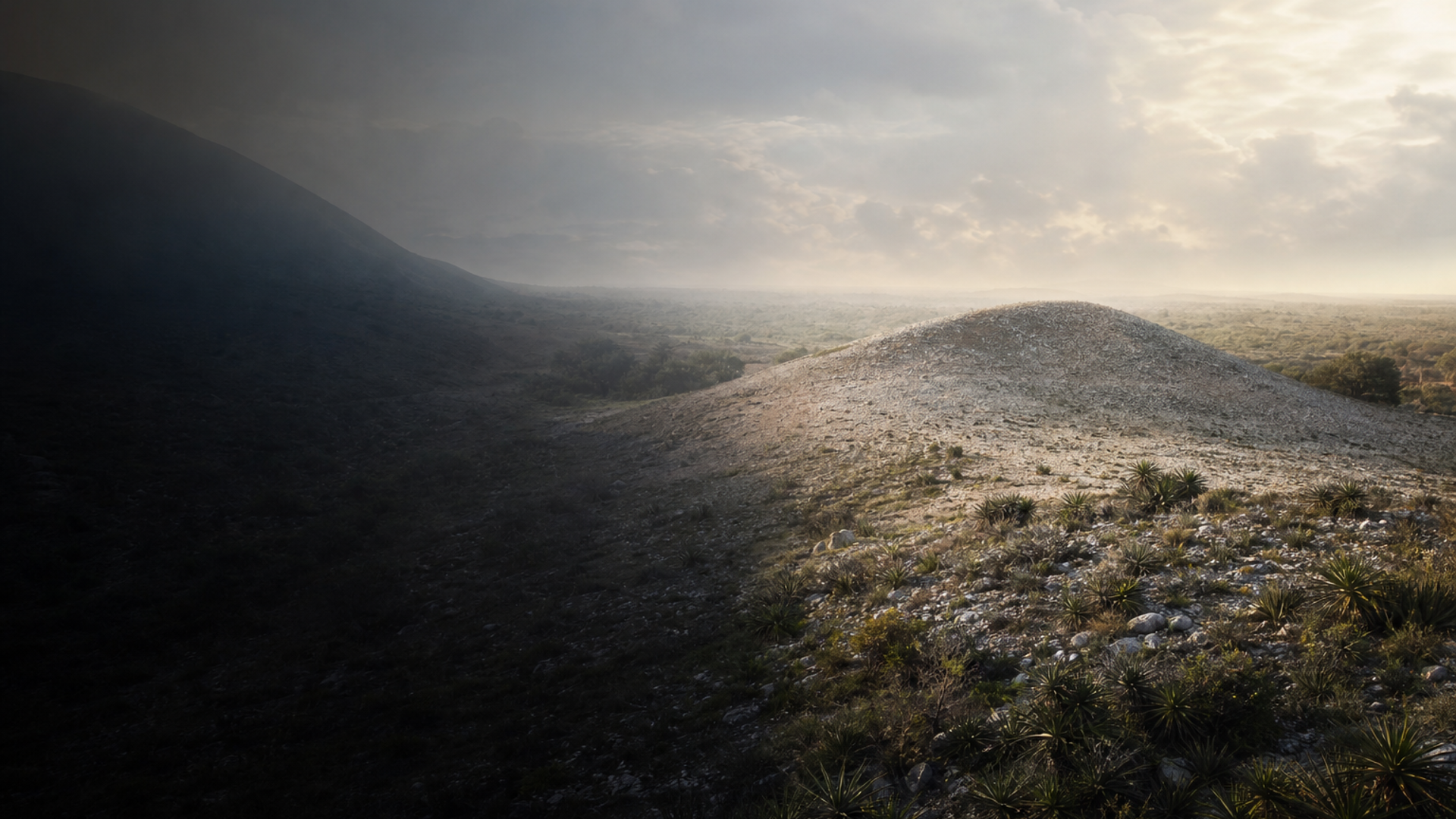
Archaeological evidence from sambaqui sites across Brazil suggests daily life was tightly interwoven with the sea. Shell mounds at places like Loca do Suin likely accumulated through repeated shellfish harvesting, fish processing, and food consumption events over generations. Midden stratigraphy preserves fish bones, shell, charcoal, and often stone and bone tools — traces of a subsistence economy focused on estuarine and coastal resources.
Beyond diet, the physical architecture of sambaquis implies social rhythms: repeated communal labor to build and maintain mounds, probable reuse of preferred habitation spots, and spatial organization around resource patches. Grave goods are not uniformly reported at all sambaqui sites, and the degree of social differentiation remains debated. Archaeological data indicates varied mobility strategies; some groups appear to have been relatively sedentary on the coast, while others maintained seasonal movement. Environmental fluctuation during the early Holocene would have required flexible strategies and deep ecological knowledge.
While evocative reconstructions are possible, it is important to stress uncertainty. The single genetic sample provides a human voice from these layers, but it cannot by itself map household practices, belief systems, or the full range of social complexity at Loca do Suin.