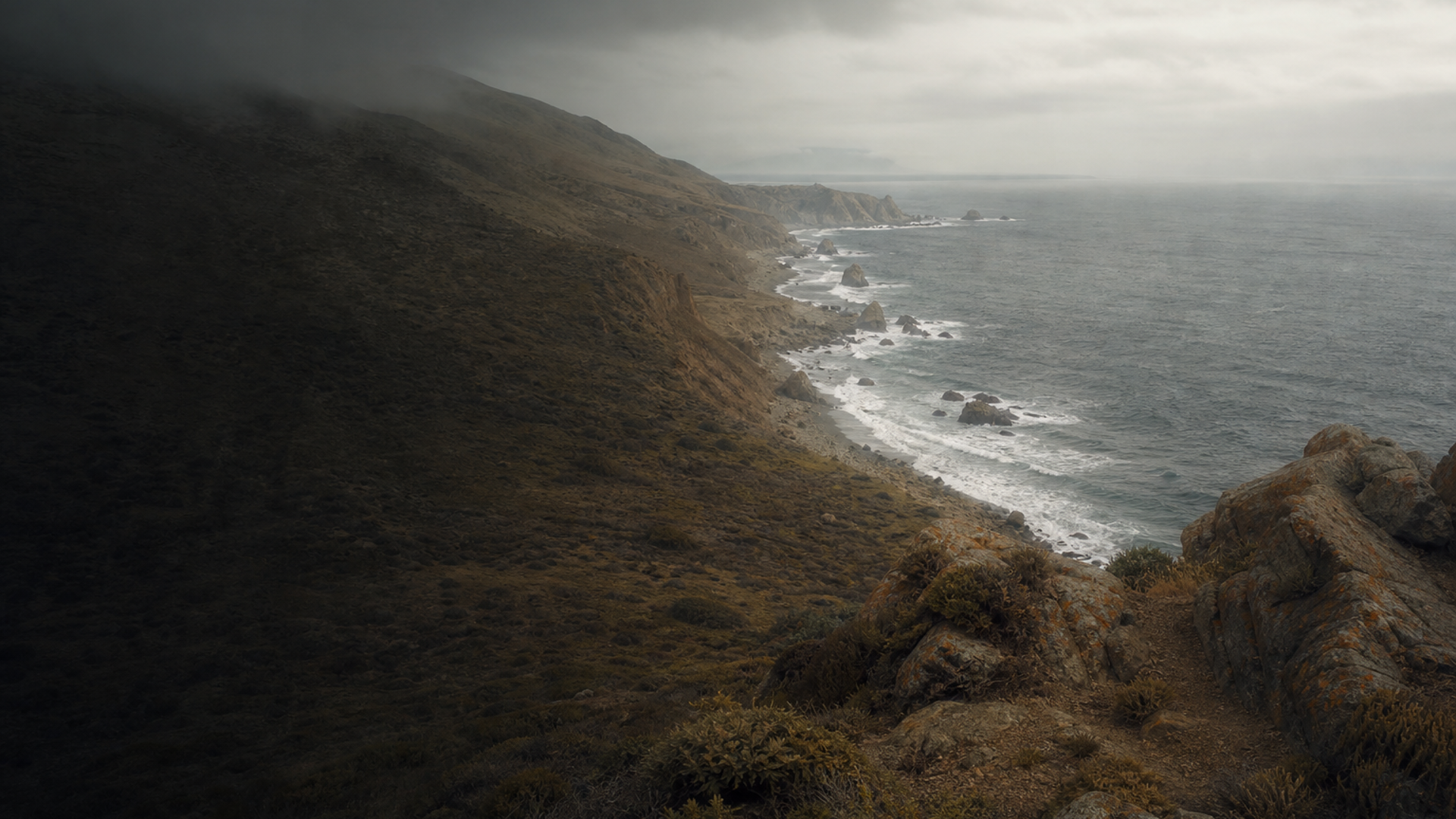
Daily life at CA-SRI-41 would have been orchestrated around tide, wind, and season. Archaeological evidence—dense shell middens, fish bone concentrations, and stone tool scatters—indicates heavy reliance on shellfish, rockfish, seabirds, and marine mammals where available. The dune setting preserves hearths and working areas where bone, shell, and stone were transformed into tools, fishhooks, and ornaments.
Socially, small, mobile bands or extended-family groups likely organized labor by task and season: shellfish collection at low tide, offshore fishing with lines or nets, processing and drying of meat, and manufacture of personal adornment such as small shell beads. Spatial clustering of activity areas at CA-SRI-41 suggests repeated occupation by groups familiar with local micro-habitats and the rhythms of the sea.
Because island settings often concentrate cultural remains, one should not assume dense populations—rather, these sites can represent repeated short-term occupations by small groups. Ethnographic parallels from historic Channel Islands peoples hint at flexible social networks, sharing, and reciprocal exchange across islands and the adjacent mainland.