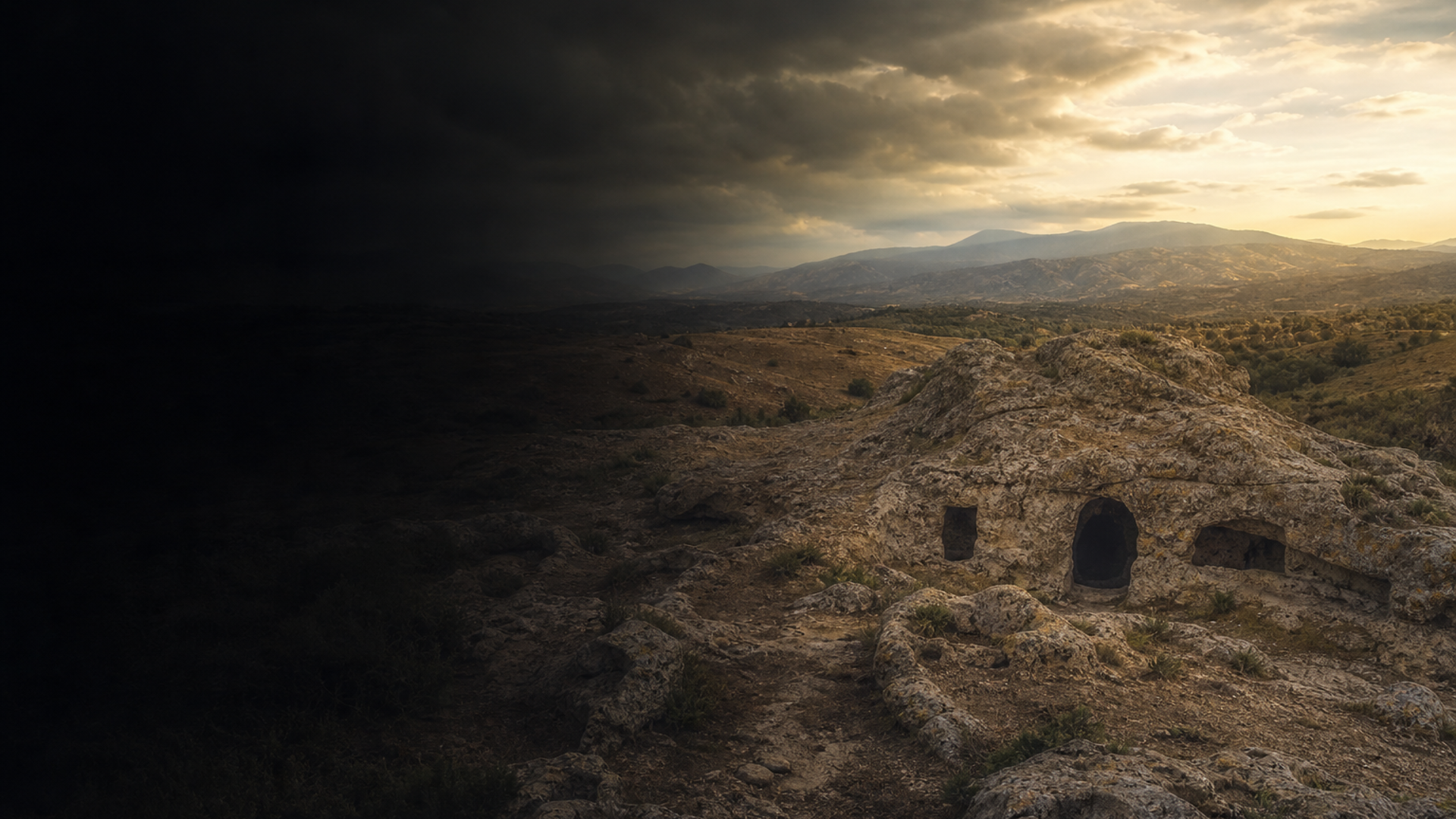
The everyday world of Middle Bronze Age Sardinia can be glimpsed through pottery fragments, worked bone, and the arrangement of graves. Communities combined pastoralism and agriculture on rugged terrain, moving herds between lowland fields and upland pastures. At sites like Seulo, landscape management appears pragmatic: terraces, seasonal movement, and localized craft production sustained island populations.
Burial practices recorded at Anghelu Ruju and nearby complexes reveal careful treatment of the dead, with reused Neolithic monuments sometimes serving Bronze Age interments. Funerary assemblages—where preserved—point to a society where status was expressed through grave goods and deposited objects, yet material wealth remained modest compared with contemporary eastern Mediterranean elites. Maritime links likely introduced exotic items and stylistic motifs, but local forms persisted strongly.
Archaeobotanical and faunal records from wider Sardinia show reliance on cereals, legumes, sheep, goats, and cattle, while coastal diets supplemented by marine resources. Craft specialists—potters, metalworkers, and shepherds—operated within family and village networks. These social rhythms set the stage for genetic continuity: long-term residence, endogamous tendencies, and island isolation would shape ancestry patterns visible in DNA.