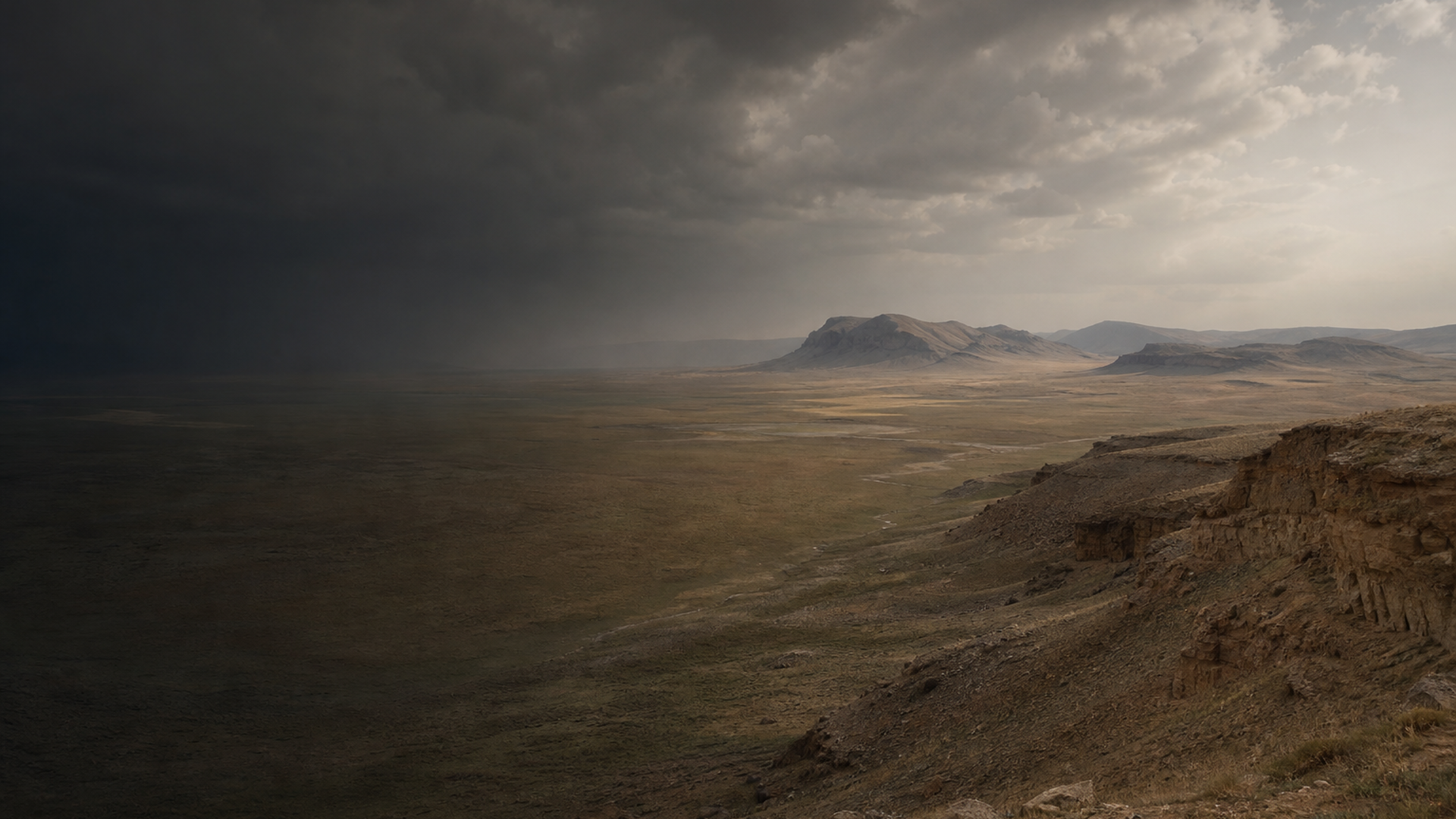
Imagine the wind on an open plain, the clip of hooves and the glint of bronze at sunrise: Sarmatian daily life revolved around mobility, pastoralism and mounted warfare. Archaeological remains from the Tengiz area and surrounding steppe—burial mounds (kurgans), horse trappings, and tools—reconstruct a society in which herding of sheep, horses and cattle coexisted with skilled metalwork. Settlement traces are often ephemeral, reflecting seasonal encampments rather than dense permanent villages.
Weapons and personal adornments found in graves point to pronounced social differentiation and an ethos of martial prestige. Female burials with weapons are attested in broader Sarmatian contexts, and while Kazakhstan-specific samples are limited, the material record indicates complex gender roles within warrior households. Exotic goods recovered in some burials—metalwork with western and eastern stylistic influences—evoke wide-ranging exchange networks, linking the Caspian steppe to both European and Central Asian spheres.
Archaeological data indicates resilience in pastoral economies alongside episodic social displays through richly furnished burials. Environmental conditions of the Caspian and central steppes shaped mobility strategies and seasonal lifeways that are preserved in both artifacts and animal remains.