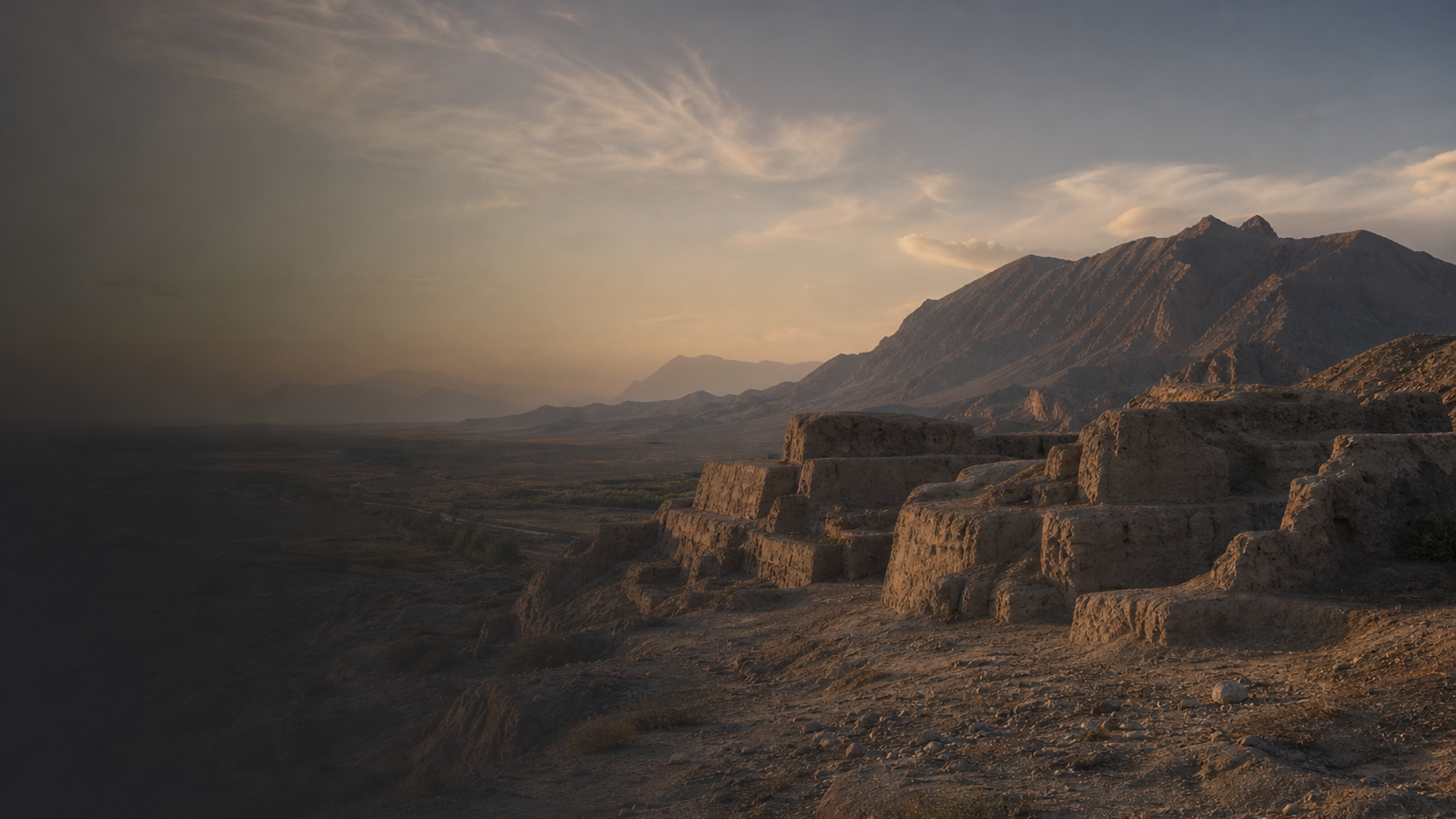
Five genomes sampled from Seh Gabi (sample count = 5) span the site's Chalcolithic occupation. Y-chromosome results include haplogroups J (1) and G (1); mitochondrial lineages include H29, U, K, I1c, and U7a. These markers align with a broader Near Eastern genetic landscape in which haplogroups J and G are commonly observed among populations of the Iranian plateau, Anatolia, and the Caucasus, while the mitochondrial diversity reflects both local maternal continuity and connections to neighboring regions.
Archaeological and genetic integration suggests that Seh Gabi’s inhabitants carried a mixture of lineages typical of Chalcolithic Iran: paternal markers linked to long-standing Near Eastern male lineages, and varied maternal haplotypes that point to wider female-mediated connections across the plateau and beyond. The presence of U7a and K, for example, resonates with regional maternal lineages documented in ancient and modern populations of western Iran and adjacent areas.
Importantly, the small sample size limits strong conclusions. With only five genomes, population-level statistics are underpowered; observed haplogroups may reflect family-level structure, a few interments, or short-term mobility rather than the full genetic profile of the community. Future sampling of additional individuals and comparative analysis with contemporaneous Chalcolithic and Neolithic sites will be essential to test hypotheses of continuity, admixture, and migration.