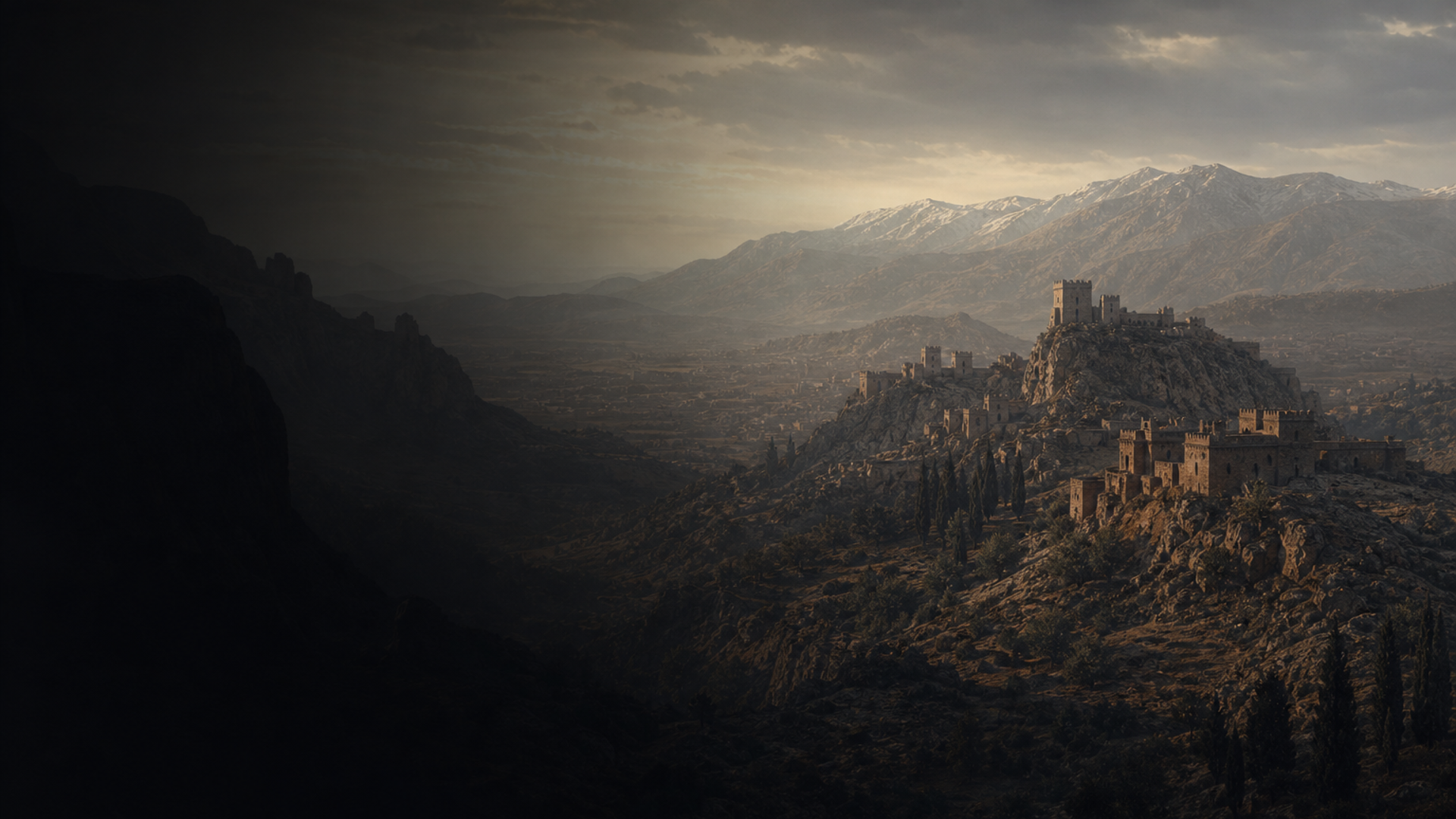
The archaeological record evokes sun-baked courtyards, bustling market lanes, and the layered noise of languages and crafts. Urban neighborhoods in Valencia and Granada were nodes in a network of trade, craft specialization, and religious diversity. Finds such as imported ceramics, glassware, and coin hoards speak to long-distance exchange; domestic debris, hearths, and animal bone assemblages reflect everyday diets and household economies.
Burials and funerary contexts vary between simple urban inhumations and more elaborate cemetery plots, suggesting social differentiation. Craft evidence—metalworking slag, tile fragments—indicates local industries tied to regional markets. Food remains show a Mediterranean diet enriched by North African and Islamic culinary practices (spices, legumes, irrigation-enhanced crops), but local continuity in staple foods persists.
Archaeological data indicates that identity in Islamic-period Spain was multifaceted: religion, language, urban status, and family origins all shaped life chances. Genetic signals complement this picture by showing admixture at the biological level that parallels the cultural blending seen in material remains.