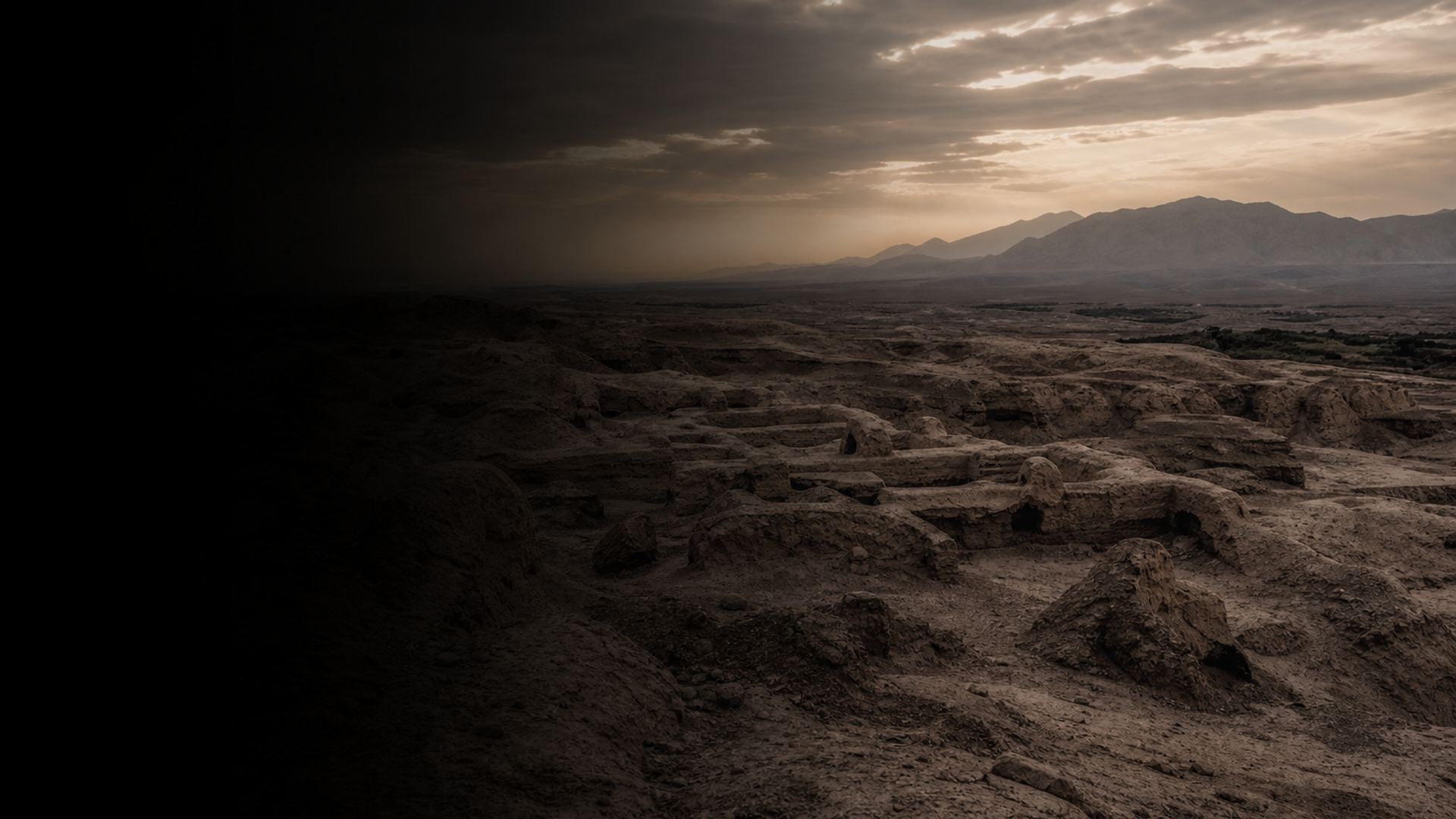
Excavations at Shahr‑i Sokhta reveal a lived landscape of workshops, courtyards, and burial grounds. Streets of baked and sun‑dried brick threaded neighborhoods where potters, beadmakers, and metallurgists practiced skills passed across generations. Zooarchaeological and botanical remains indicate agriculture based on irrigated cereals alongside pastoral herding—seasonal rhythms likely structured labor, ritual, and movement.
Burials and grave goods provide intimate glimpses: some tombs contained personal ornaments, shell beads, and tools that suggest status differentiation and craft specialization. The presence of standardized weights and seals in certain contexts hints at organized exchange and administrative practices. Pottery styles and decorative motifs show local traditions that absorbed external aesthetics, consistent with a city that both produced and consumed goods across a wide hinterland.
Archaeological evidence indicates resilience and transformation: phases of construction, repair, and changing funerary rites across centuries. While the physical remains are rich, linking specific social identities to genetic clusters requires caution. Still, the tandem reading of bones and objects allows us to imagine households where biological ancestry, craft, and social roles interlaced in the daily choreography of Bronze Age life.