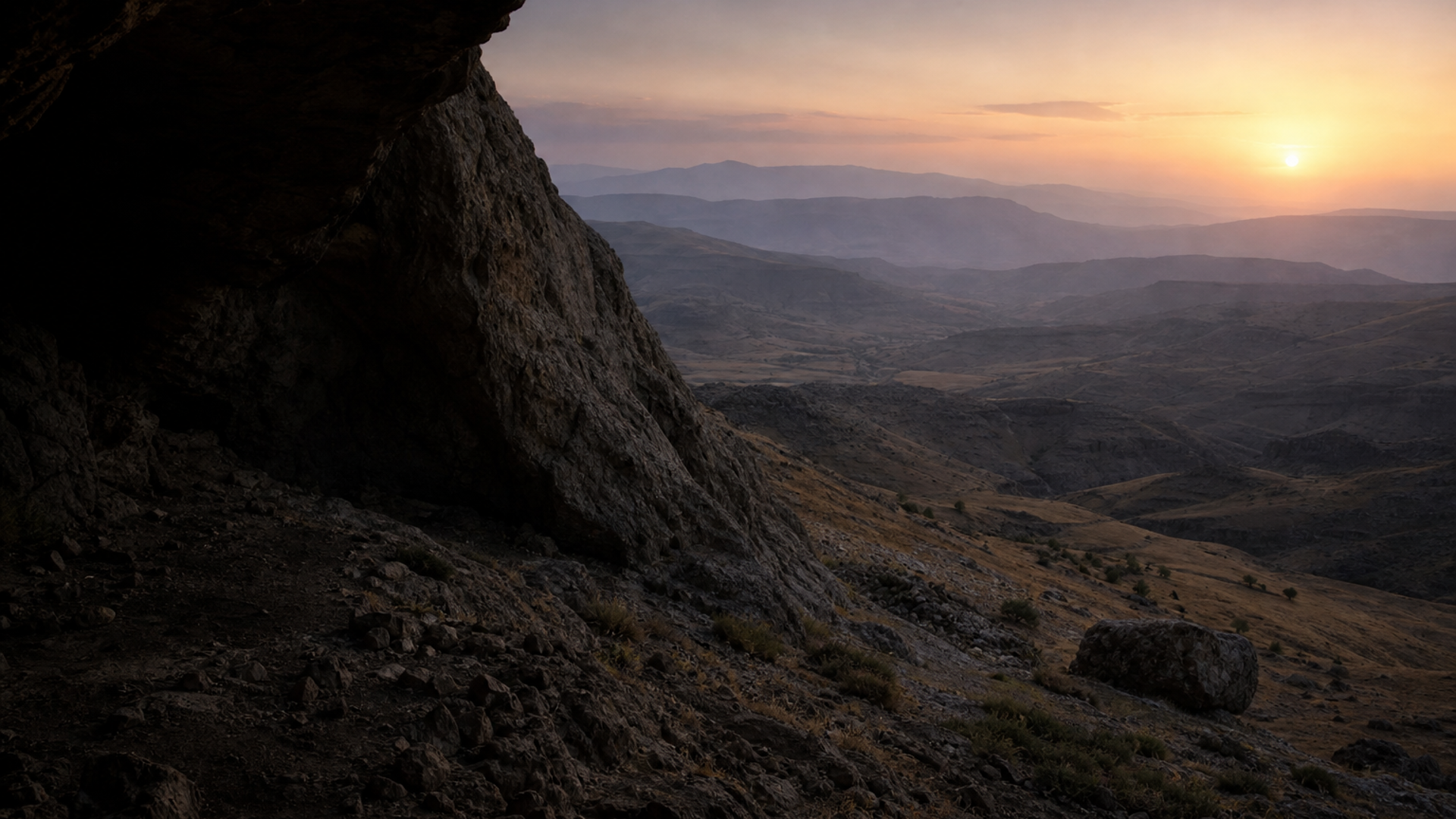
Imagine dawn light spilling into the cave mouth over the Zagros slopes: people preparing hides, mending tools, and tending hearths. Archaeological remains from Shanidar indicate a mixed foraging economy focused on wild ungulates, small game and plant resources that would have been abundant in mosaic habitats. Flint bladelets and retouched tools recovered from the cave suggest skilled lithic economies adapted for hunting and processing. Burials in Shanidar Cave — some with grave goods and deliberate positioning — evoke social bonds, care for the deceased and possibly long‑standing ritual behaviors.
Spatial patterns within the cave imply activity zones: living surfaces, processing areas and isolated burial pits. Seasonal rounds likely drew these groups between highland pastures and lowland river corridors, creating networks of exchange for raw materials and information. While the archaeological picture is resonant, it remains fragmentary; combining cultural traces with genetic evidence offers a richer, if still tentative, portrait of daily life in this early Holocene pocket of Mesopotamia.