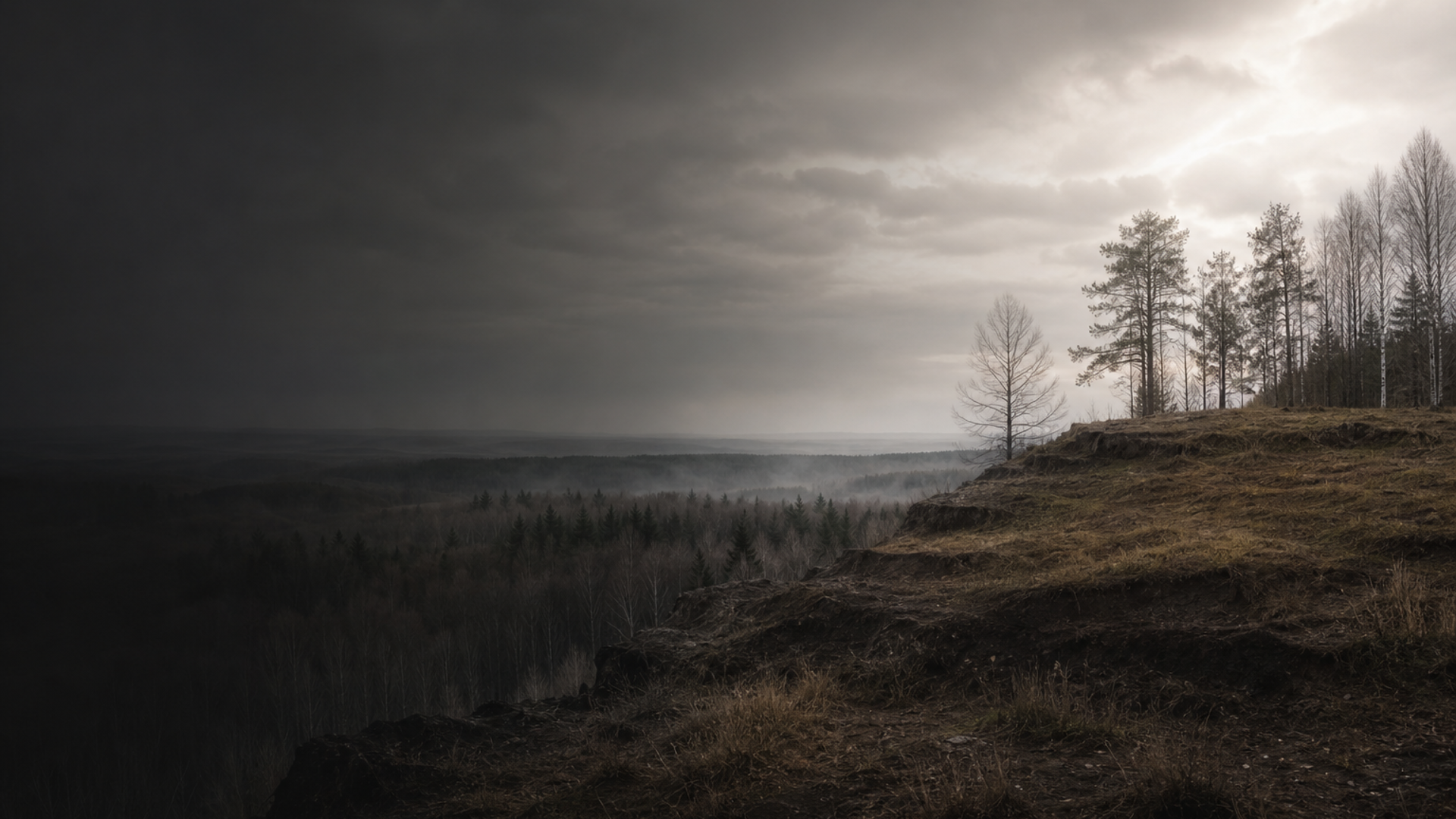
The human scale at Shekshovo-9—as best as the fragments allow—is intimate and grounded. Archaeological data indicates small household units engaged in mixed agro-pastoral practices adapted to a cool, forested environment. Wood-built homes, seasonal smoke, and storage pits would have framed daily life; craft production and exchange networks likely radiated along river corridors.
Burial practices at many Early Medieval East Slavic sites combine practical and symbolic choices. At Shekshovo-9, the funerary record is limited but suggests inhumation in modest graves; grave goods, if present, are not abundant in the available reports, implying social economies that emphasized everyday survival over ostentatious display.
This was a world of layered identities. Kinship and local belonging mattered, but so did mobility: traders, artisans, and seasonal laborers moved along routes that connected the Volga basin, forest-steppe fringes, and northern waterways. The archaeological silence in some areas may hide vibrant networks of exchange in perishable materials—textiles, leather, and organic foodstuffs—that rarely survive.
Taken together, the material and genetic glimpses point to communities rooted in place yet open to person-to-person contact across medieval Eurasia.