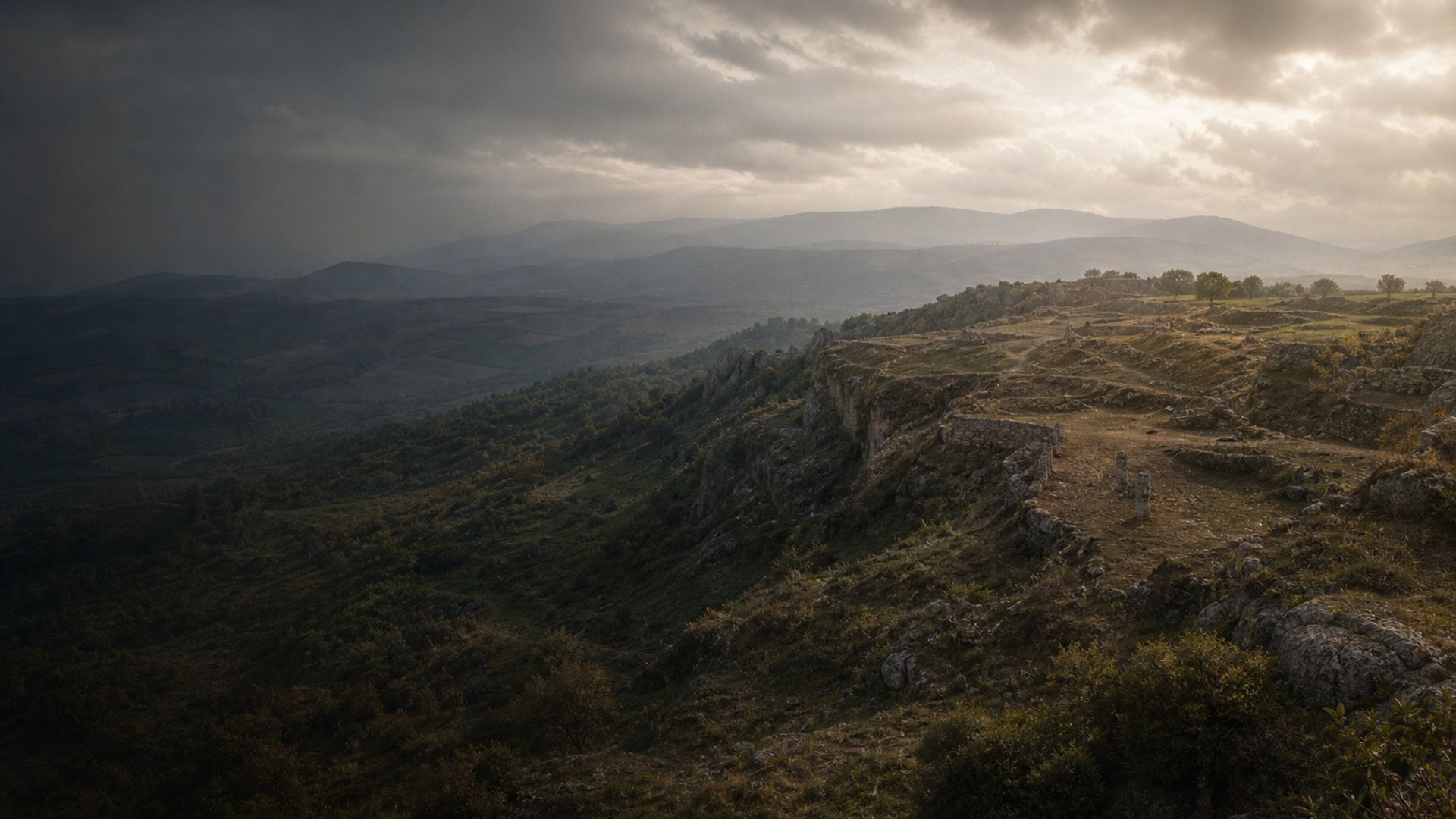
The daily world of Early Medieval Siena and Chiusi unfolded between cultivated hills, seasonal markets and the shadow of church towers. Archaeological traces—simple domestic architecture, agricultural implements, and cemetery orientations—indicate communities organized around mixed farming, craft exchange and emerging ecclesiastical institutions. Osteological remains often show life marked by heavy physical labor: joint wear consistent with repetitive tasks, enamel markers of childhood stress, and healed fractures that tell of hard rural livelihoods.
Burial practices at these sites are modest and local in scale. Archaeological data indicates interments near parish boundaries or in small community cemeteries, where orientation and associated artifacts vary little, suggesting shared ritual conventions. Portable finds—buckles, dress pins, iron tools—offer glimpses of identity and status but rarely dramatic wealth.
Material culture and landscape together paint a picture of resilient communities adapting old urban fabrics to new social orders. While archaeological evidence cannot record spoken language or personal stories, the bones and artifacts preserve patterns of work, care and belief that shaped family life across generations.
Key takeaways emphasize daily labor, parish-centered community life, and modest mortuary expression visible in the cemetery record.